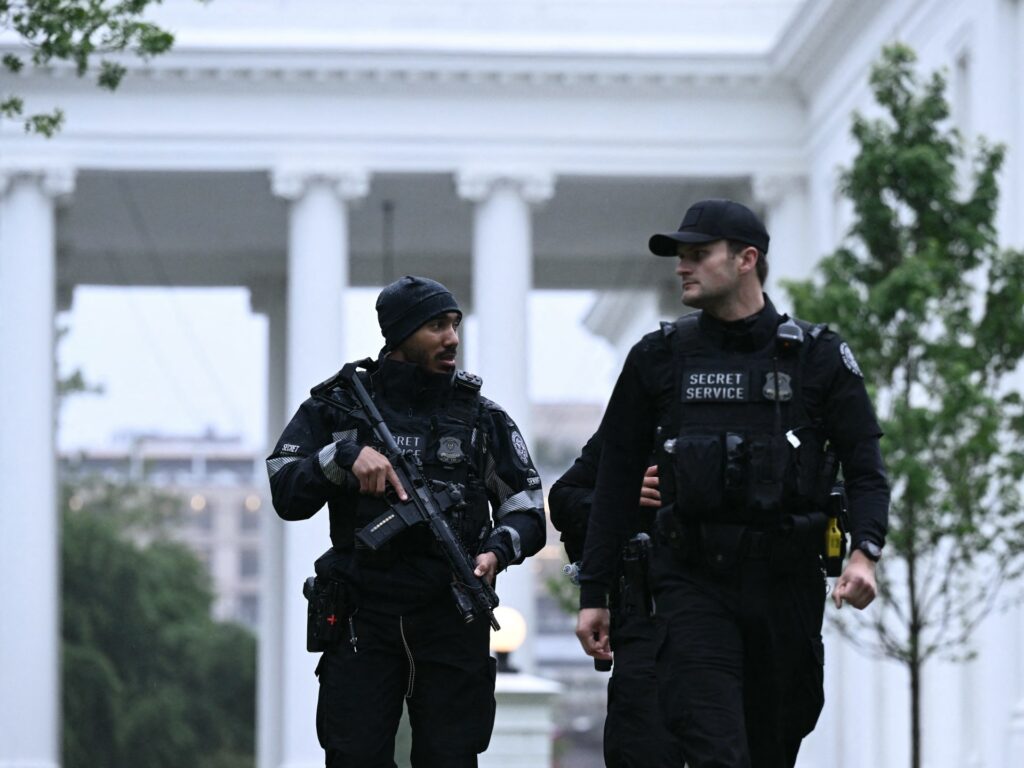
A tense and dangerous incident unfolded recently at the White House checkpoint when a gunman suddenly opened fire, prompting Secret Service officers to take immediate action to neutralize the threat. The suspect pulled a weapon from a bag and fired at officers stationed at the checkpoint, an area known for its high security and vigilance against potential threats.
The Secret Service, responsible for the safety and protection of the President and key federal sites, responded swiftly by returning fire, effectively stopping the gunman. Unfortunately, during the chaos of the shootout, a bystander was also wounded, highlighting the risks faced by both law enforcement and civilians in such volatile situations.
The White House and its surrounding checkpoints are fortified with numerous security protocols designed to detect and prevent attacks before they escalate. However, this incident serves as a reminder that threats can still emerge even in the most secure environments.
Authorities have not yet released detailed information about the identity of the gunman or the motive behind the attack. The injured bystander was promptly attended to by emergency medical personnel and transported to a nearby hospital. Their current condition has not been disclosed, but the situation remains under investigation.
Security officials are reviewing surveillance footage and gathering witness statements to piece together the events leading up to the shooting. The Secret Service continues to work diligently to ensure the safety of the President, staff, and visitors to the White House.
This event has sparked discussions on the effectiveness of existing security measures and the importance of continuous vigilance. Experts emphasize that while no system can be entirely foolproof, the rapid and decisive action by the Secret Service officers undoubtedly prevented what could have been a much more tragic outcome.
The United States Secret Service has a storied reputation for protecting the nation’s highest officials, often operating behind the scenes to maintain safety. The officers on duty demonstrated professionalism and bravery in this incident, reinforcing public confidence in their capabilities.
As investigations proceed, the focus remains on understanding how the gunman was able to approach the checkpoint with a weapon and on measures needed to prevent similar incidents in the future. Authorities urge the public to remain calm and to report any suspicious behavior that could pose a threat to national security.
In conclusion, while the shooting at the White House checkpoint was a serious and alarming breach of security, the swift response by the Secret Service successfully contained the situation, underscoring the critical role these officers play in national security. The incident serves as a stark reminder of the ongoing threats faced by public officials and the relentless efforts required to safeguard them.