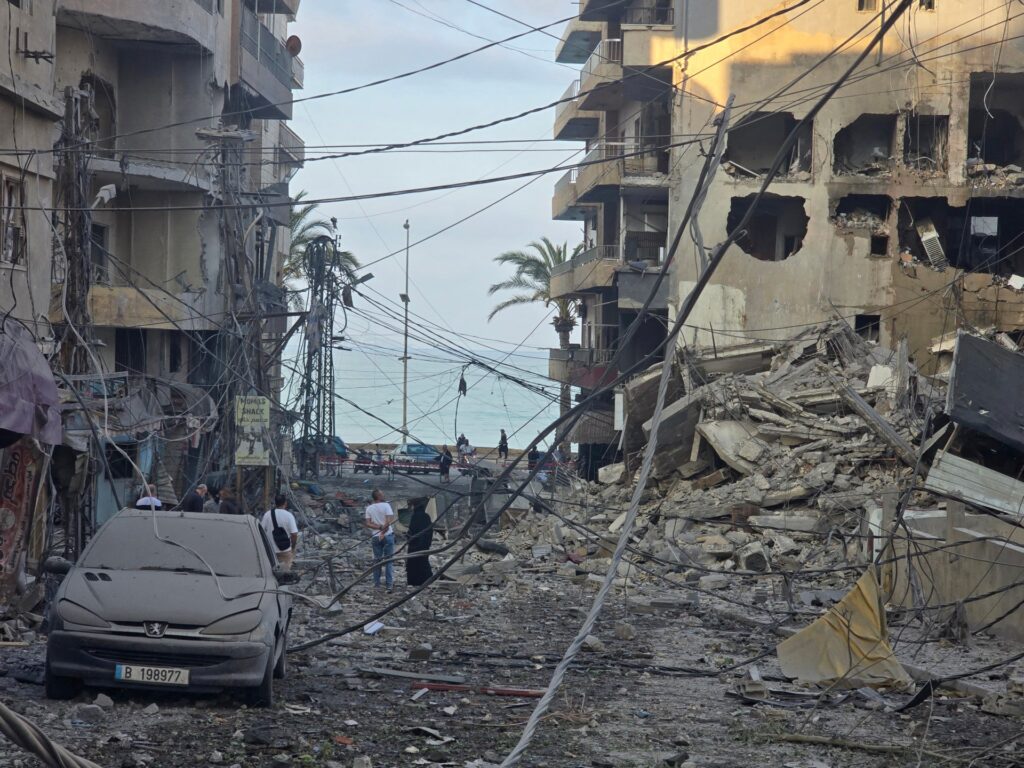
In recent developments, Israeli attacks in Lebanon have resulted in the deaths of at least two individuals, raising serious concerns about the fragility of the supposed ceasefire in the region. This escalation has plunged southern Lebanon into a state of heightened anxiety and distress.
The people of southern Lebanon are enduring what has been described as “psychological terror,” a term that paints a grim picture of the current environment. Continuous Israeli airstrikes have created a climate of fear, with many residents facing displacement orders that force them to abandon their homes and livelihoods.
Despite international efforts and agreements aimed at maintaining peace, these attacks underscore the volatility that persists in this conflict-ridden area. The ceasefire, which was intended to halt hostilities and provide a window for diplomacy, appears to be undermined by these aggressive maneuvers.
The impact on the local population is profound. Beyond the tragic loss of life, the bombardments have disrupted daily life, destroyed infrastructure, and instilled a pervasive sense of insecurity among communities. Emergency services are stretched thin as they respond to casualties and the growing humanitarian needs.
Analysts suggest that the ongoing violence may have significant implications for regional stability. The reprisal attacks and military movements risk escalating tensions further, potentially drawing in neighboring countries and complicating diplomatic efforts.
Human rights organizations have condemned the attacks, calling for immediate cessation of hostilities and urging all parties to respect international law. They emphasize the need for protecting civilians and ensuring safe access for humanitarian aid.
Local leaders in southern Lebanon have voiced their outrage and pleaded for international intervention to halt the violence. They highlight that the psychological trauma being inflicted on the population could have long-term consequences for social cohesion and mental health.
In conclusion, while a ceasefire remains the officially stated position, the reality on the ground tells a different story. The deaths caused by Israeli attacks and the ongoing air raids have shattered the fragile peace, leaving southern Lebanon’s populace to cope with fear, displacement, and uncertainty about the future. The international community faces a critical moment to reinforce peace efforts and address the humanitarian crisis resulting from this renewed conflict.