In a landmark decision, the highest court affiliated with the United Nations has ruled that the right of workers to strike is protected under a vital international treaty. This nonbinding ruling marks a significant milestone in labor rights, offering strong validation to workers’ groups worldwide and is poised to have far-reaching effects on global labor relations.
The ruling comes from the International Court of Justice (ICJ), the principal judicial organ of the United Nations, which although its decisions are advisory and nonbinding, wields significant moral and political influence. The specific case brought before the court concerned allegations that certain countries had failed to uphold their treaty obligations relating to labor rights, specifically the right to strike.
At the heart of the ruling is the interpretation of a key treaty—the International Covenant on Economic, Social and Cultural Rights—which many nations have ratified. The treaty enshrines various labor rights, and the court clarified that the fundamental right to strike is an essential component of the collective rights protected under the treaty.
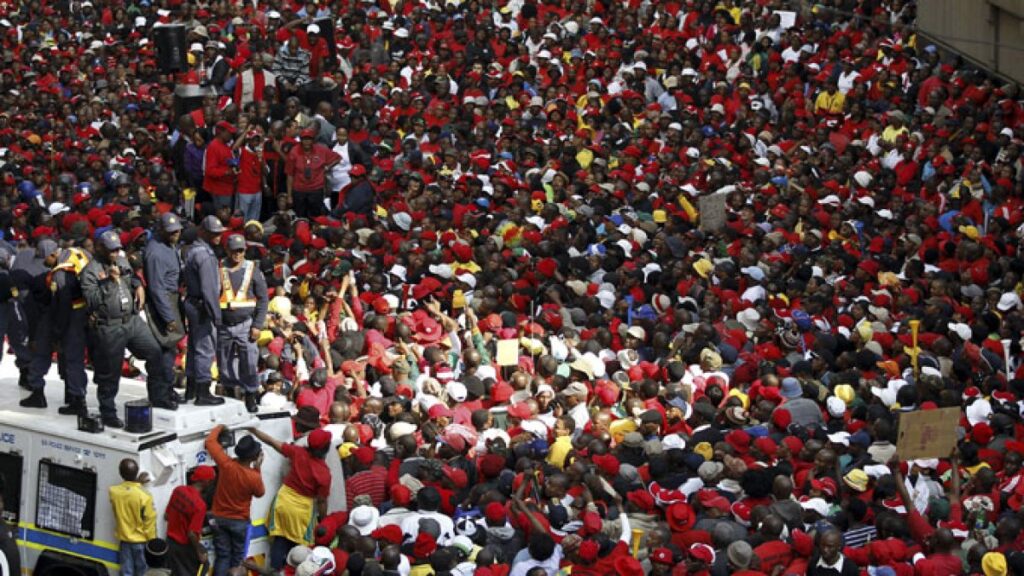
Workers and their representative groups have hailed the decision as a groundbreaking victory. It reinforces the legitimacy of strikes as a democratic and essential tool for defending workers’ interests and improving workplace conditions. This ruling could empower unions worldwide, especially in countries where legal or political barriers have restricted strike actions.
Labour experts note that while the ruling is advisory and not legally binding, it sets an authoritative precedent that could influence national courts, legislative bodies, and labor policy globally. Governments may face increased pressure to align their domestic labor laws with international standards to respect workers’ rights, including the freedom to organize and strike.
The decision is expected to invigorate ongoing debates on labor rights, particularly in the context of globalization and growing inequalities. It underscores that protecting workers’ rights is integral to achieving sustainable economic and social development.
Additionally, the ruling may affect multinational corporations by prompting them to reassess their labor practices and commitments to international labor standards. Companies that operate across borders often face scrutiny regarding their treatment of workers, and stronger international guidelines can contribute to better compliance and accountability.
Despite the ruling’s positive reception among labor advocates, some business groups and governments may express concerns about potential disruptions caused by strikes and the implications for economic stability. Balancing workers’ rights with economic interests will remain a complex challenge.
In summary, the latest ruling from the top UN court represents a pivotal moment for labor rights internationally. By affirming that the right to strike is protected under a key treaty, the court has reinforced the global recognition of workers’ collective bargaining powers. This decision is anticipated to shape labor relations for years to come, promoting fairer and more equitable treatment of workers across the globe.