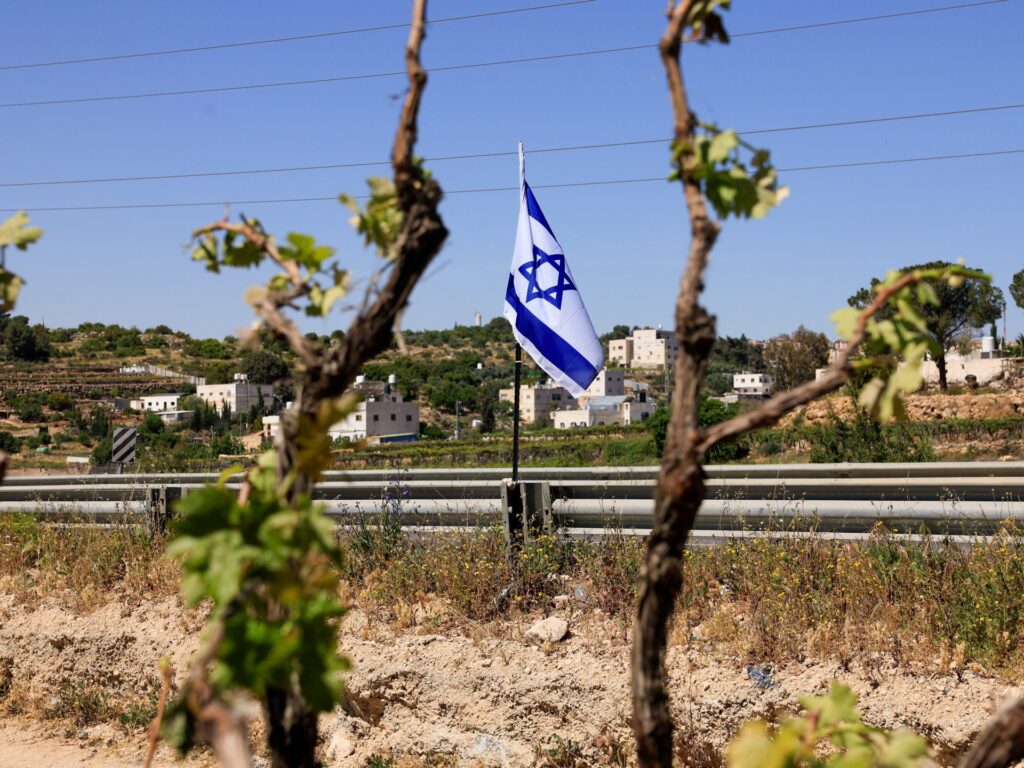
In a deeply troubling event in the occupied West Bank, Israeli settlers compelled a Palestinian family to exhume and reinter the body of their deceased father. The incident has sparked international outrage and condemnation, notably from the United Nations, which described the confrontation as “appalling and emblematic of the dehumanisation of Palestinians.”
The family, residing in an area under Israeli occupation, was reportedly forced under duress to disturb their loved one’s grave, a violation of both human dignity and cultural practices deeply embedded in Palestinian society. This act exacerbates the long-standing tensions and conflict in the region, where disputes over land, rights, and sovereignty frequently escalate.
According to witnesses, the settlers arrived with a group and demanded that the family remove the body from the grave and rebury it elsewhere. The rationale behind this forced exhumation remains unclear, but it aligns with an ongoing pattern of aggressive settler actions aimed at intimidating Palestinian communities and reshaping the demographics of contested areas.
The United Nations responded promptly, with a spokesperson labeling the event as “appalling” and highlighting it as a stark example of the systemic dehumanisation faced by Palestinians living under occupation. The UN called for an impartial investigation into the incident and urged Israeli authorities to ensure protection for Palestinian residents and their fundamental rights.
Human rights organizations have echoed the UN’s concerns, emphasizing that such acts not only violate international law but also deepen the wounds of a community already enduring significant hardship. The forced exhumation is seen as a symbolic assault on Palestinian identity and heritage.
This event adds to a troubling series of confrontations between Israeli settlers and Palestinian families, many of which have resulted in violence, displacement, and destruction of property. Settler violence has been on an uptick, raising alarms internationally about escalating hostilities and the potential for broader conflict.
Palestinian leaders have condemned the incident, calling on the international community to intervene and hold perpetrators accountable. They stress the importance of preserving Palestinian cultural and familial rights, particularly in the face of occupation which impairs their ability to live with dignity and security.
The situation highlights the complex and often dangerous realities faced by Palestinians in the West Bank, where land disputes intersect with political strife and religious sensitivities. The forced exhumation underscores the ongoing challenges to peace and coexistence in the region.
As the international community watches closely, there is renewed pressure on Israeli authorities to halt settler aggression and to respect the rights and humanity of Palestinians. The United Nations and other global bodies emphasize the urgency of addressing such incidents to prevent further deterioration of the already fragile situation.
In conclusion, the forced exhumation of a Palestinian father’s body by Israeli settlers is a stark and distressing example of the ongoing conflict and human rights abuses in the occupied West Bank. The UN’s strong condemnation serves as a call to action for all parties to uphold human dignity and work towards a peaceful resolution that respects the rights of all people in the region.