The Middle East remains on edge as Israel continues its aggressive military operations in Lebanon, resulting in the deaths of 17 people. This escalation occurs despite a US-brokered ceasefire aimed at reducing violence and stabilizing the region. The ongoing hostilities highlight the fragile nature of peace efforts in the area.
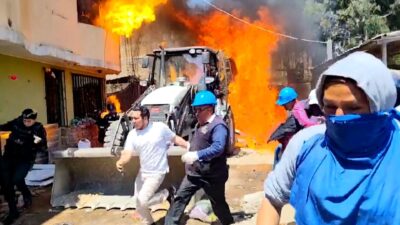
Israel’s military actions have not ceased, with airstrikes targeting multiple locations in Lebanon. These attacks have raised serious concerns internationally, as civilian casualties mount and infrastructure damage intensifies. The latest figures indicate that at least 17 lives have been lost, exacerbating tensions between Israel and Lebanese factions.
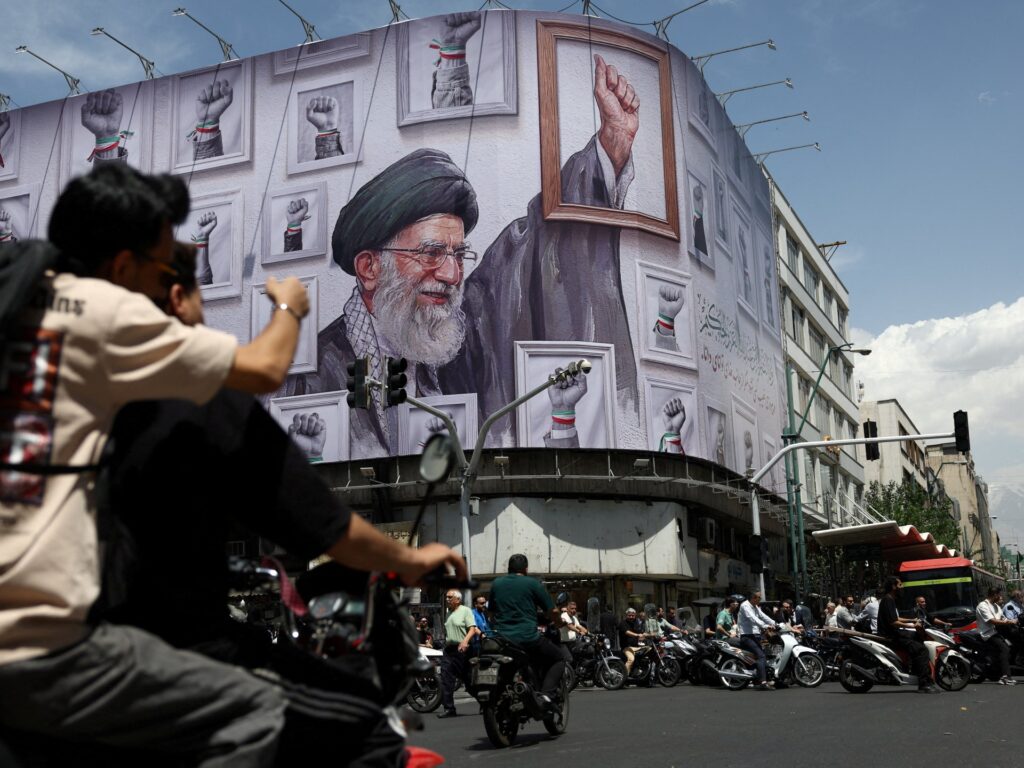
The backdrop to these developments is the sensitive diplomatic situation involving Iran. The United States is currently awaiting a response from Iran regarding a proposed deal, which could have significant implications for regional security and nuclear non-proliferation. The US-led negotiations aim to curb Iran’s nuclear program in exchange for sanctions relief, but progress remains uncertain.
Analysts warn that the ongoing violence could derail diplomatic efforts, making it harder to reach a comprehensive agreement with Iran. Meanwhile, Lebanon finds itself caught in the crossfire, with its stability further compromised by Israeli military actions.
International actors have called for restraint and renewed dialogue. The US has reiterated its commitment to the ceasefire and emphasized the importance of diplomatic channels to resolve conflicts. However, on the ground, the situation remains volatile and unpredictable.
This latest surge in violence underscores the complex dynamics at play in the Middle East, where longstanding rivalries, political agendas, and security concerns intersect. As the US awaits Iran’s reply on the nuclear deal, the ongoing Israeli strikes in Lebanon cast a long shadow over peace prospects.
The international community faces the challenge of balancing punitive measures with diplomatic engagement to prevent further escalation. Humanitarian organizations have also highlighted the urgent need for aid to affected Lebanese populations who are enduring the consequences of the conflict.
In summary, the current phase in the Middle East is marked by deadly clashes in Lebanon, persistent Israeli military operations, and a critical juncture in US-Iran negotiations. The outcomes of these intertwined events will likely shape the region’s geopolitical landscape for months to come.