The Middle East continues to witness escalating conflict and diplomatic tension as the United States awaits a critical response from Tehran concerning a proposed peace deal. This development comes amid reports of violent clashes in the strategic Strait of Hormuz, a crucial maritime route for global oil shipments.
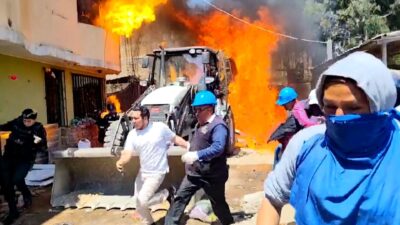
In a significant escalation on the ground, Israeli forces reportedly killed 31 people in southern Lebanon on Friday, according to Lebanon’s National News Agency. Among the casualties was a rescue worker, highlighting the dire humanitarian toll of the conflict in the region.
The US administration has publicly stated its expectation for a prompt and constructive reply from Iran regarding the peace proposal, which aims to de-escalate hostilities and foster stability in the region. However, the persistent clashes in Hormuz underscore the fragility of peace efforts and the high stakes involved.
The Strait of Hormuz remains a focal point for military and naval confrontations, with both Iranian and US forces maintaining a presence in the area. Recent exchanges of fire and aggressive maneuvers have raised concerns about a broader conflict that could disrupt global energy markets and international shipping lanes.
Meanwhile, the incident in southern Lebanon marks a troubling chapter in the ongoing Israeli-Lebanese hostilities. The loss of civilian life, including emergency responders, intensifies calls for immediate ceasefire and renewed diplomatic engagement.
International observers have urged restraint on all sides and emphasized the importance of dialogue over military action. The complex geopolitical dynamics, involving multiple state and non-state actors, complicate these efforts but underline the urgent need for peaceful resolution.
As the US continues to monitor Tehran’s response, diplomatic channels remain open, with hopes that dialogue can prevail over violence. The situation remains highly volatile, with rapid developments expected as both regional players navigate this delicate and dangerous landscape.
This evolving conflict highlights the ongoing challenges to peace and security in the Middle East, demanding sustained international attention and coordinated diplomatic strategies to prevent further escalation and human suffering.