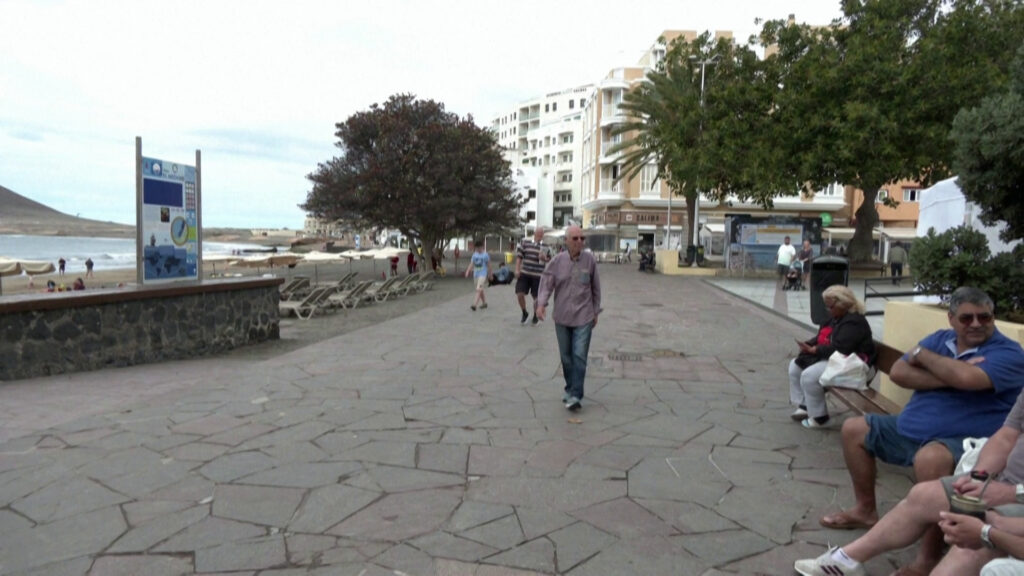
The popular resort town in southern Tenerife is bracing for the arrival of a cruise ship affected by a hantavirus outbreak. The news has sparked mixed reactions among local residents, concerned about possible health risks and the impact on tourism.
Authorities have been closely monitoring the situation since the outbreak was first reported onboard the vessel. Health officials are collaborating with cruise line representatives to implement strict safety protocols aimed at preventing any spread of the virus once the ship docks.
Hantavirus is a rare but potentially severe respiratory disease transmitted primarily through contact with infected rodent droppings, urine, or saliva. The virus can cause symptoms ranging from mild flu-like illness to severe respiratory distress.
In response to the announcement, local government and health departments in Tenerife have established quarantine measures and testing procedures for all passengers and crew disembarking the ship. These precautions include mandatory health screenings and isolation for those showing symptoms.
The cruise ship is scheduled to dock at the main port in the southern part of the island, a hub known for its bustling tourist activity. Officials have emphasized that while the risk of transmission to the general public is low, vigilance is paramount to ensure community safety.
Tourism operators in Tenerife have expressed concern about the potential economic repercussions. Many rely on cruise ship visitors for a significant portion of their business, and fear that the news of the hantavirus outbreak may deter tourists in the immediate term.
Local residents have voiced a range of opinions. Some remain apprehensive, worried about the virus possibly spreading beyond the ship. Others trust in the authorities’ handling of the situation and believe measures in place are sufficient to safeguard public health.
Health experts remind the public that hantavirus is not contagious from person to person but is linked to exposure to rodent excretions. They advise people to avoid contact with areas where rodents may be present and maintain good hygiene practices.
Officials are also taking steps to intensify rodent control measures in the port area to minimize any additional risks. Public information campaigns have been launched to educate residents and visitors about hantavirus prevention.
The Tenerife port authority has assured residents that the ship’s docking will be managed with utmost care. Continuous communication will be maintained with health officials to promptly address any developments.
This incident highlights the importance of vigilance in managing infectious diseases in travel and tourism sectors. The balanced approach of strict preventive protocols combined with community awareness aims to protect public health while minimizing disruption.
As the cruise ship prepares to dock, Tenerife stands as an example of how destinations can respond effectively to emerging health concerns. The situation remains under constant review, with priority given to safety and transparent communication.
In summary, Tenerife’s southern resort town is set to welcome a cruise ship that has encountered a hantavirus outbreak onboard. The community, authorities, and health experts are working together to mitigate risks, enforce health protocols, and maintain the island’s reputation as a safe and desirable tourist destination.