An Israeli attack on Gaza City has resulted in the death of one individual and left Azzam al-Hayya, the son of prominent Hamas leader Khalil al-Hayya, seriously wounded. The incident unfolded amid ongoing tensions and military confrontations between Israeli forces and Hamas in the region.
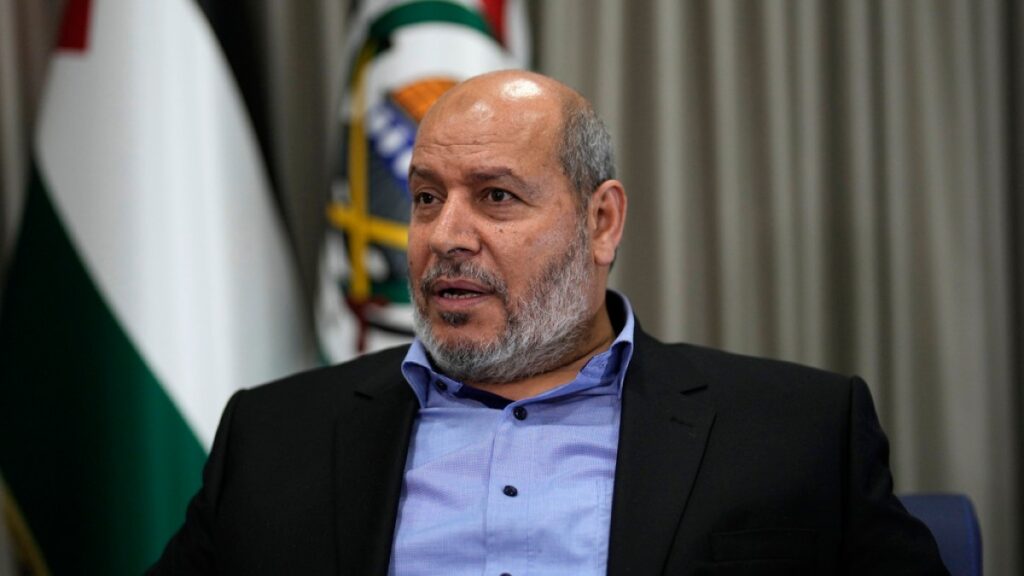
Khalil al-Hayya, a key political figure within Hamas, revealed that his son sustained serious injuries during the deadly Israeli strike. The attack marks a significant moment in the escalating conflict, highlighting the human toll on both sides.
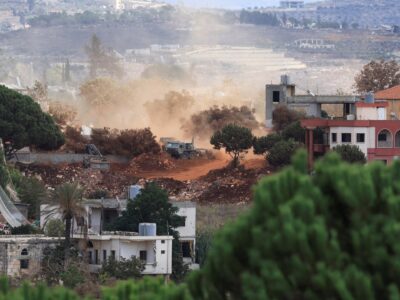
Details of the attack indicate that the Israeli military targeted specific locations within Gaza City in response to ongoing security concerns. The operation’s timing and targets appear to be part of a broader campaign aimed at curbing militant activities and retaliating against rocket fire originating from Gaza.
The wounding of Azzam al-Hayya has added a personal dimension to the conflict, with Khalil al-Hayya expressing deep concern for his son’s condition. Medical teams have reportedly been working to stabilize Azzam, though the severity of his injuries has shocked many within the Hamas leadership and the local population.
This incident comes against a backdrop of heightened violence in Gaza, where Israeli airstrikes and ground operations are frequent. Casualties, both civilian and militant, continue to rise as the conflict shows little immediate prospect for resolution.
International observers and human rights organizations have repeatedly called for restraint and for both sides to avoid actions that exacerbate the suffering of civilians. The death and injury resulting from this latest attack underscore the urgent need for renewed dialogue and efforts to de-escalate tensions.
Hamas officials have condemned the Israeli strike, describing it as an unjustified act of aggression that targets not only militants but also their families and non-combatants. Meanwhile, Israeli authorities maintain that their operations are defensive measures aimed at protecting their citizens from attacks.
As the situation in Gaza remains volatile, humanitarian organizations have emphasized the importance of access to medical care and resources for the wounded, including Azzam al-Hayya. Efforts to provide aid are complicated by ongoing hostilities and restrictions on movement.
The death toll and injuries continue to fuel anger and fear among the Gaza population, with many fearing further escalation. Communities mourn the loss of life while bracing for potential new phases of conflict.
The incident serves as a stark reminder of the persistent cycle of violence in the Israeli-Palestinian conflict. The targeting of family members of key leaders may intensify hostilities rather than promote dialogue.
Both sides face mounting pressure domestically and internationally to find pathways toward peace, though recent developments have deepened divides, making such prospects more elusive.
As medical treatment continues for Azzam al-Hayya, the public and political implications of the attack are unfolding. Khalil al-Hayya’s statements highlight the personal costs endured by political figures and their families amid the broader conflict.
The community in Gaza City now confronts the realities of loss and injury, grappling with the immediate impacts of the strike and its longer-term consequences for stability and security.
International diplomatic efforts are underway to address the surge in violence, with calls for ceasefire and negotiation resounding louder following such incidents.
The Israeli attack on Gaza City underscores the complexities and human costs inherent in this protracted conflict, reminding the global community of the urgent need for comprehensive solutions to prevent further tragedies.