In the latest developments in the ongoing conflict between Russia and Ukraine, both nations have declared competing ceasefires, each with contrasting motivations and implications for the war-torn region.
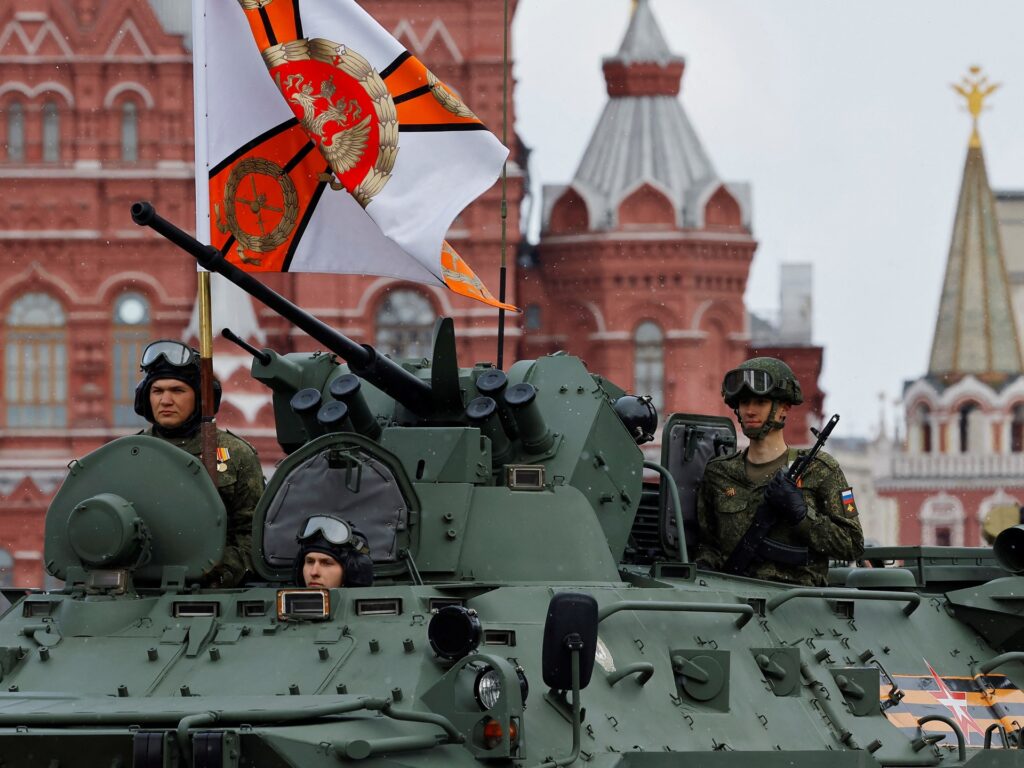
On May 9, Moscow announced a truce, marking a significant but controversial gesture in the hostile relations that have characterized their interactions. This ceasefire, declared by the Russian government, appears timed with a notable event or commemoration, symbolizing a strategic or political move rather than a mutual agreement.
Simultaneously, Kyiv has responded with its own declaration, reveling in the psychological impact the conflict has imposed on Russian forces. The Ukrainian government highlighted the ‘fear’ Russia harbors toward Ukrainian drone operations, a crucial factor that underscores Kyiv’s recent tactical advancements on the battlefield.
The announcement of these competing ceasefires reflects the complex and multifaceted nature of the Russia-Ukraine conflict, where military maneuvers intertwine with propaganda, political signaling, and efforts to gain international sympathy and support.
Moscow’s ceasefire declaration could be seen as a bid to reposition itself diplomatically or to regroup militarily, potentially testing the reactions of the international community and Ukraine. For Kyiv, emphasizing the effectiveness of their drone capabilities serves as both a morale booster for its population and a warning to Russian forces about the evolving nature of modern warfare.
Experts suggest that these unilateral ceasefires are unlikely to lead to an immediate end to hostilities but may open avenues for negotiation or a temporary lull in fighting. However, given the deep-rooted hostilities and strategic interests at play, skepticism remains about the durability and sincerity of such declarations.
The ongoing conflict has resulted in significant humanitarian crises, with thousands displaced and countless casualties. The dual ceasefires come amid intense global calls for peace and stability in the region.
Analysts note that both Russia and Ukraine are leveraging these ceasefire declarations to shape international narratives. Russia seeks to portray itself as a peace-seeking nation, while Ukraine aims to demonstrate resilience and military prowess.
This multifaceted strategy highlights the war’s nature beyond physical combat—one where information, perception, and psychological operations are pivotal.
As international observers closely watch the situation, the hope remains that these competing ceasefires might eventually pave the way for more substantive peace talks, though the path remains fraught with challenges.
In conclusion, the declaration of competing ceasefires by Russia and Ukraine marks a pivotal yet ambiguous moment in the ongoing conflict. While Moscow’s truce announcement aligns with symbolic dates and strategic interests, Kyiv’s emphasis on Russian fear of drone warfare underlines the changing dynamics on the ground. The global community continues to monitor these developments with cautious optimism, yearning for a resolution to one of the most protracted conflicts of the 21st century.