Since January, Iran has been enduring a near total internet blackout, a measure implemented in response to ongoing wartime tensions. This extended internet shutdown has surpassed previous records in duration and severity, escalating frustrations among the Iranian populace and drawing international attention.
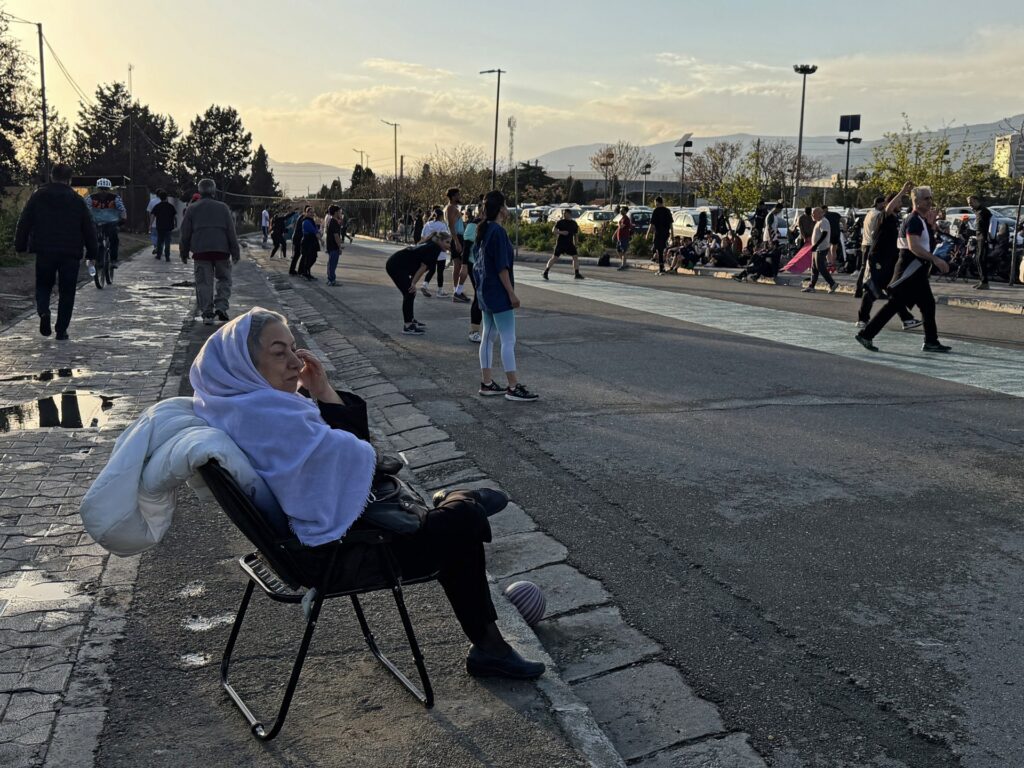
The blackout, which began earlier this year, has severely disrupted daily life throughout the country. Citizens have faced unprecedented difficulties in communication, accessing information, and conducting regular activities that rely on internet connectivity.
Most notably, the shutdown has had a devastating impact on the economy. Businesses, particularly small and medium enterprises that depend heavily on online operations and digital transactions, have suffered significant losses. Job markets have shrunk as companies struggle to maintain operations amid the persistent blackout.
Many professionals working in fields such as IT, marketing, and e-commerce find themselves unable to perform their duties effectively, contributing to rising unemployment and underemployment rates.
Educational institutions have also been affected, with students and educators unable to leverage digital platforms for remote learning. This has disrupted academic progress and widened the educational gap within the Iranian society.
The government defends its decision as a necessary security measure during a time of war, aiming to prevent the spread of misinformation and maintain social order. However, critics argue that the blackout infringes on basic human rights, including freedom of information and communication.
International bodies and human rights organizations have condemned the prolonged internet shutdown, calling on Iran to restore connectivity and allow citizens unrestricted access to information and communication tools.
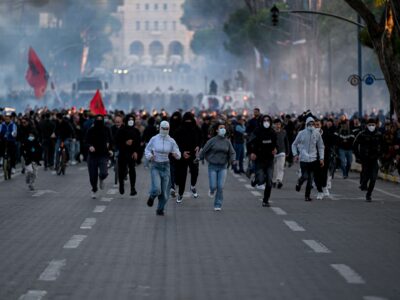
The shutdown has also sparked protests and social unrest within the country, as citizens express their dissatisfaction and demand the restoration of their digital freedoms.
Analysts warn that the longer the internet remains blocked, the more profound and lasting the economic, educational, and social damages will become.
The situation in Iran underscores the critical role of internet access in modern societies, especially during crises. As the world watches, the hope remains that dialogue and solutions can be found to lift the blackout and restore the essential digital lifeline needed for the country’s welfare and development.