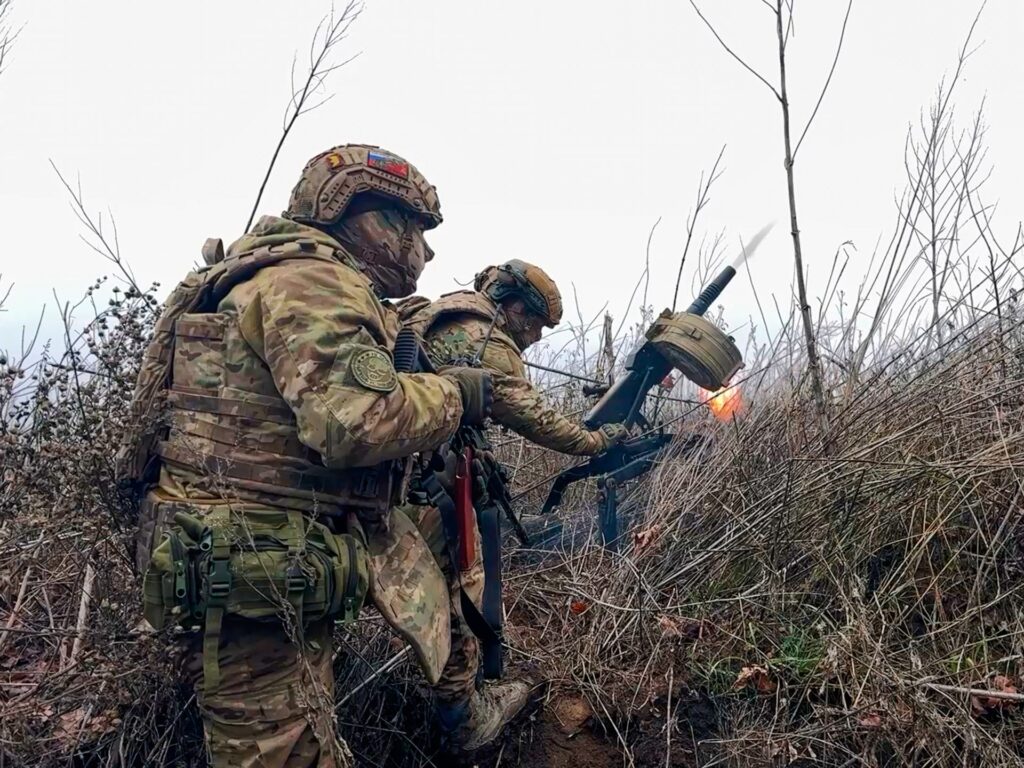
In a significant development in the ongoing conflict in eastern Ukraine, Russian authorities have announced that they have taken full control of Ukraine’s Luhansk region. This claim marks a pivotal moment in the larger battle for the Donbas area, a key industrial region that has been at the center of intense fighting between Russian-backed forces and Ukrainian defenders.
The announcement came without an immediate response from Ukrainian officials, leaving the situation on the ground somewhat ambiguous for international observers. The Luhansk region, which along with Donetsk forms the contentious Donbas area, has strategic value due to its industrial resources and geographic location.
Russia’s control over Luhansk could potentially shift the balance of power in the region, further complicating diplomatic efforts aimed at resolving the conflict. The Kremlin’s claim highlights a continued push to solidify territorial gains amid a prolonged military campaign that has drawn global attention.
This development follows weeks of heavy fighting, with significant casualties reported on both sides. The broader conflict has severely impacted civilian populations and infrastructure in the area, exacerbating humanitarian concerns.
Ukrainian forces have yet to publicly comment on the Kremlin’s claim, and details on the situation remain scant. International reactions have been cautious, with many countries calling for restraint and a renewed commitment to peace talks.
The Donbas region has been a flashpoint since 2014, when separatist movements, supported by Russia, first declared independence from Ukraine. The annexation of Crimea by Russia the same year further escalated tensions, leading to a conflict that has claimed thousands of lives.
The latest claim by Russia underscores the ongoing volatility in eastern Ukraine and the challenges that lie ahead for any diplomatic resolution. The international community continues to monitor the situation closely, urging both sides to avoid further escalation and to seek a peaceful settlement.
As the conflict persists, the humanitarian toll continues to rise, with displaced persons and affected communities in urgent need of assistance. The situation remains fluid, and future developments will likely influence the geopolitical landscape of Eastern Europe significantly.