Lebanon is grappling with an escalating displacement crisis as the United Nations has issued a grave warning regarding the humanitarian situation in the country. According to UN reports, Lebanon is witnessing a cycle of ‘coercive displacement’ with over one million people fleeing their homes due to ongoing Israeli military attacks.
The term ‘coercive displacement’ highlights the forceful nature of this mass migration, where civilians are compelled to leave their homes not out of choice but as a direct result of violence and insecurity. This marks a critical point in Lebanon’s recent history as the nation struggles to cope with the repercussions of regional conflicts spilling over its borders.
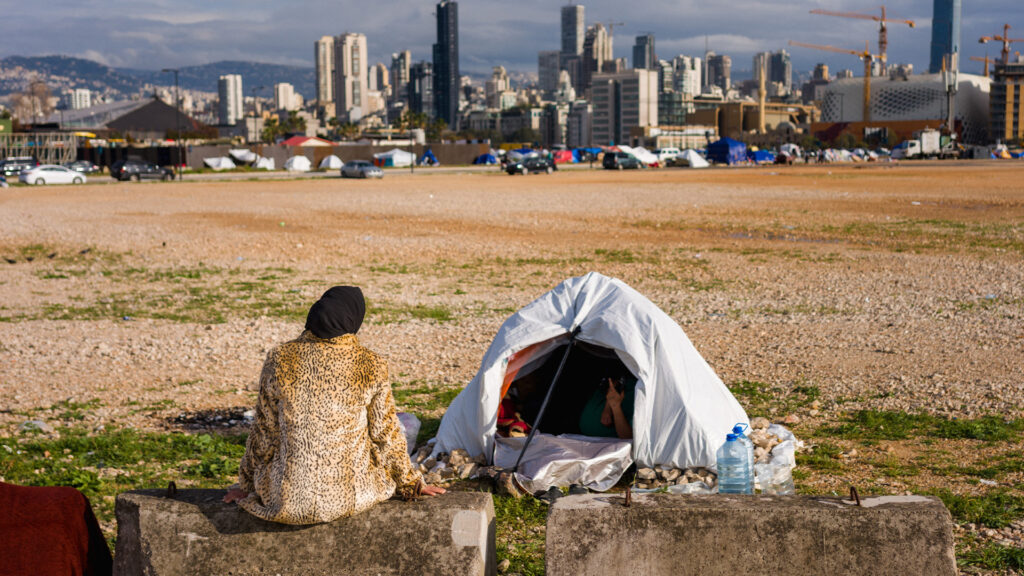
The United Nations has expressed deep concern over the scale and speed of the displacement, emphasizing the urgent need for international humanitarian assistance. Many of those displaced are now living in precarious conditions, seeking refuge within Lebanon and in neighboring countries, compounding an already complex refugee crisis.
The displacement is attributed primarily to Israeli military operations targeting various parts of Lebanon. These attacks have destroyed homes, infrastructure, and disrupted essential services, leaving many communities vulnerable and underserved. Schools, hospitals, and water supplies have been severely affected, further exacerbating the plight of the displaced populations.
Humanitarian organizations on the ground report that the influx of displaced persons is overwhelming aid agencies and local communities alike. The sudden rise in demand for shelter, food, medical aid, and psychological support has stretched resources thin, leading to concerns about adequate care and protection for vulnerable groups including women and children.
Lebanese authorities face immense challenges in managing the crisis amid their own political and economic difficulties. The national government has appealed for international support to bolster relief efforts and to facilitate safe and voluntary return of displaced populations once conditions improve.
Regional stakeholders and global powers have been urged by the UN to step up diplomatic efforts to halt the violence and to support peace initiatives in order to prevent further displacement and instability in Lebanon.
This displacement crisis underscores the broader ramifications of the ongoing conflict in the Middle East, with Lebanon bearing the brunt of an expanding humanitarian emergency. The UN’s warning serves as a call to the international community for swift, coordinated action to address both the immediate needs of those displaced and the underlying causes driving this forced migration.
As Lebanon confronts this daunting displacement challenge, the focus must remain on protecting human rights, ensuring access to humanitarian aid, and fostering conditions conducive to lasting peace and stability in the region.