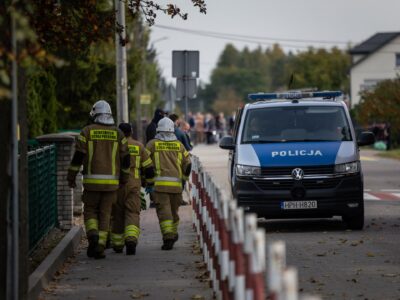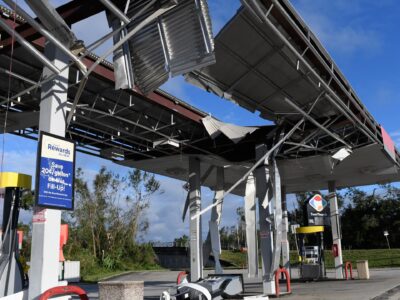
In a recent incident that has raised tensions in the region, an attack attributed to Iranian forces resulted in significant damage to a crucial power and desalination plant in Kuwait. The attack not only caused extensive material damage to the infrastructure but also tragically led to the death of an Indian worker.
Kuwaiti authorities have confirmed that the assault targeted vital utilities infrastructure, heavily affecting the power supply and desalination capabilities that are critical for the country’s energy and water needs. The power and desalination plant plays an essential role in Kuwait’s infrastructure, providing electricity and drinking water to a substantial part of the population.
Officials reported that the blast caused severe damage to the building, which will require considerable repair efforts and time to restore full operational capacity. The disruption in power and desalination services may have short-to-mid-term impacts on daily life and the economy, emphasizing the plant’s importance.
The victim, an Indian national working at the plant, was killed in the attack, marking a tragic human cost that underscores the dangerous nature of unrest in the region. Kuwaiti authorities have expressed their condolences to the family of the worker and have promised thorough investigations into the circumstances of the attack.
This event is a stark reminder of escalating geopolitical tensions and their tangible impacts on civilian infrastructure and lives in the Gulf region. Regional authorities and international partners are now focused on addressing security concerns to prevent future incidents and ensuring the protection of critical infrastructure.
The Kuwaiti government is liaising closely with its Indian counterparts to handle the aftermath of the attack and support the affected family. Efforts to bolster security around important infrastructure sites are expected to increase following this incident.
While investigations continue, the broader international community calls for calm and emphasizes the importance of peace and stability in the Gulf to avoid further escalation and protect the livelihoods of millions reliant on stable infrastructure.
The attack also brings attention to the vulnerability of infrastructure projects in politically and strategically sensitive areas, prompting reviews of current safety protocols and the need for enhanced cooperative security frameworks.
In conclusion, the incident involving the Iranian attack on a Kuwaiti power and desalination plant represents a significant blow to the country’s essential services, resulting in loss of life and a higher alert status for regional security measures. The full repercussions and diplomatic responses are still unfolding, highlighting the complex interplay between regional politics and civilian safety.