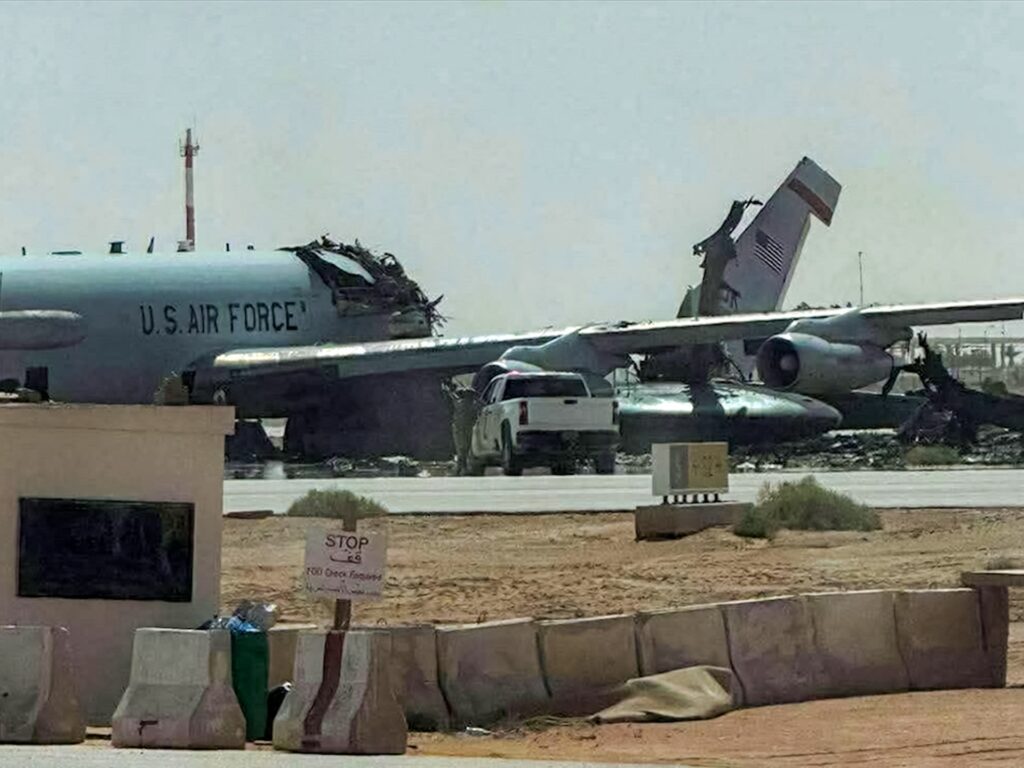
The ongoing conflict in the Gulf region escalates further as tensions between Iran and neighboring countries intensify. Former U.S. President Donald Trump has publicly stated his desire to seize Iran’s oil assets, adding a new dimension to the already volatile situation. Meanwhile, Kuwait has confirmed that an Indian worker was killed in an Iranian raid, marking a tragic development in the cross-border hostilities.
The Gulf has witnessed a series of attacks recently, including a significant strike on a power facility in Kuwait, believed to be conducted by Iranian forces or affiliated groups. These incidents have raised fears of broader regional instability and possible international intervention.
Trump’s recent remarks underline his aggressive stance towards Iran, emphasizing control over Iranian oil resources as a strategic priority. This statement has sparked condemnation from Iranian officials and heightened concerns among global powers about the potential for further escalation.
The death of the Indian worker in Kuwait has drawn international attention, highlighting the human cost of the conflict. India has expressed deep condolences and called for restraint and peaceful resolution. This incident may strain diplomatic relations and could lead to increased involvement of other nations in the conflict dynamics.
Experts warn that the situation remains precarious, with the risk of miscalculation and unintended consequences growing. Military build-ups and retaliatory attacks have become frequent, and the Gulf’s critical energy infrastructure faces ongoing threats.
Diplomatic efforts are underway, with key players urging dialogue and de-escalation. However, the entrenched positions and recent aggressive acts pose significant challenges to peace prospects.
The broader implications of the conflict reach beyond the immediate region, affecting global oil markets, shipping routes, and international security frameworks. The international community is closely monitoring developments, seeking avenues to prevent further violence and ensure stability.
In summary, the Iran war live situation is marked by heightened aggression, tragic casualties, and complex geopolitical rivalries. Trump’s call to seize Iran’s oil and the deadly Kuwaiti power site attack are pivotal moments in this evolving crisis. The coming days are critical as involved parties navigate the fragile balance between confrontation and diplomacy to avoid a full-scale regional war.