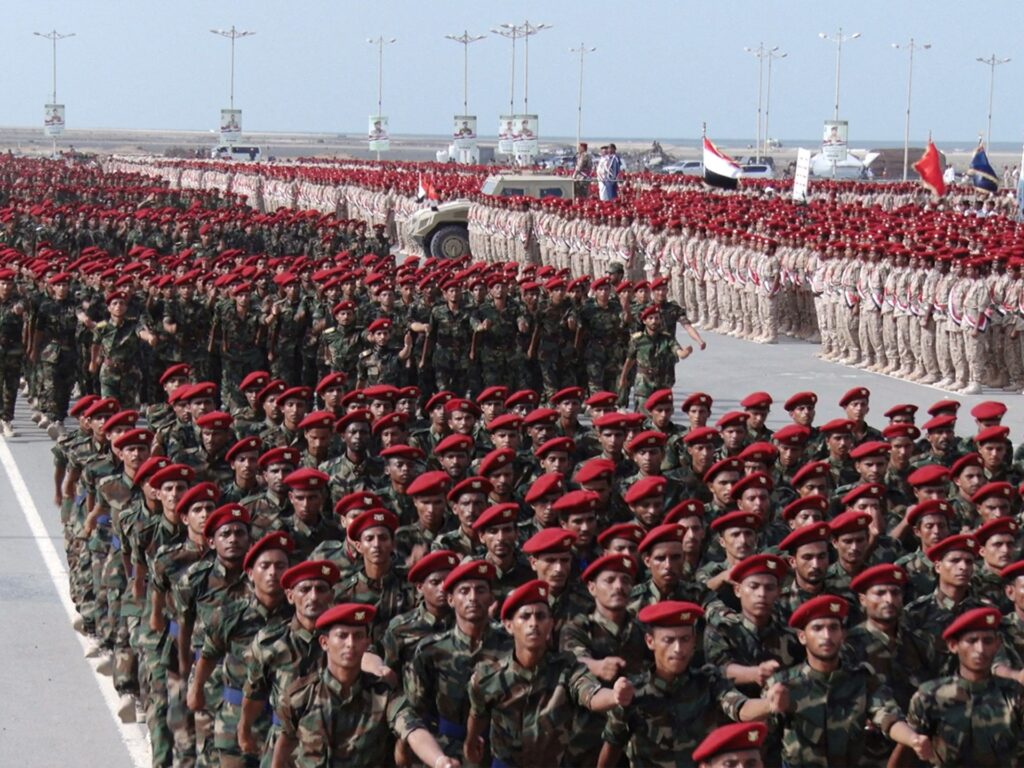
Tensions in the Middle East have escalated further as Yemen’s Houthi rebels launched a missile attack targeting southern Israel. The Houthis claimed responsibility for firing a barrage of ballistic missiles aimed at what they described as “sensitive Israeli military sites.” This attack marks a significant development in the ongoing conflict influenced by the broader war involving Iran and its regional interests.
The Houthis, officially known as Ansar Allah, are a Yemeni Shia Islamist political and armed movement that has been engaged in a brutal conflict within Yemen for years. Often supported by Iran, the group has been known to use missile and drone attacks as part of its military tactics against Saudi Arabia and other regional adversaries. This recent strike on Israel represents an expansion of their operational reach and signals a deeper involvement in the wider regional conflict tied to Iranian strategic goals.
According to statements from Houthi officials, the missiles were launched from Yemen and successfully targeted locations in southern Israel. The rebels claimed that the targets were key military installations, underscoring the strategic nature of the assault. This barrage of ballistic missiles signifies both an escalation and a demonstration of increased capability by the Houthis, projecting their influence well beyond Yemen’s borders.
Israeli authorities have yet to release a detailed response regarding casualties or damage from the attack. However, such attacks typically trigger heightened security measures and military alerts in Israel, which remains on high guard due to ongoing threats from neighboring territories and non-state actors.
This development comes amid an intensifying confrontation between Israel and Iran, with multiple proxy groups in the region increasingly involved. Iran’s support for the Houthis includes military training, weaponry, and strategic assistance, which bolsters the rebels’ capacity to conduct sophisticated long-range missile attacks.
The implications of this missile strike are significant for regional security. It reflects the complex proxy dynamics at play, with Iran leveraging allied groups like the Houthis to exert pressure on Israel indirectly. Additionally, it heightens concerns over the proliferation of missile technology in the Middle East and the risk of wider conflicts involving multiple states and non-state actors.
International observers have called for restraint and dialogue to prevent further destabilization in the already volatile Middle East. The missile attack by the Houthis is likely to deepen the cycle of retaliation and military responses that have characterized the region for decades.
In sum, the missile attack launched by Yemen’s Houthi rebels against southern Israel not only symbolizes a direct challenge to Israeli security but also underscores the intensifying proxy war driven by Iran’s regional ambitions. As tensions mount, the potential for broader conflict remains a grave concern for global peace and stability.