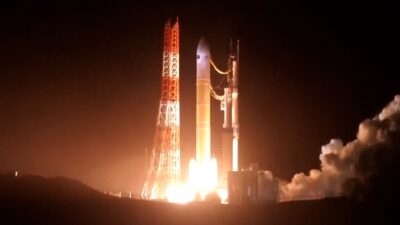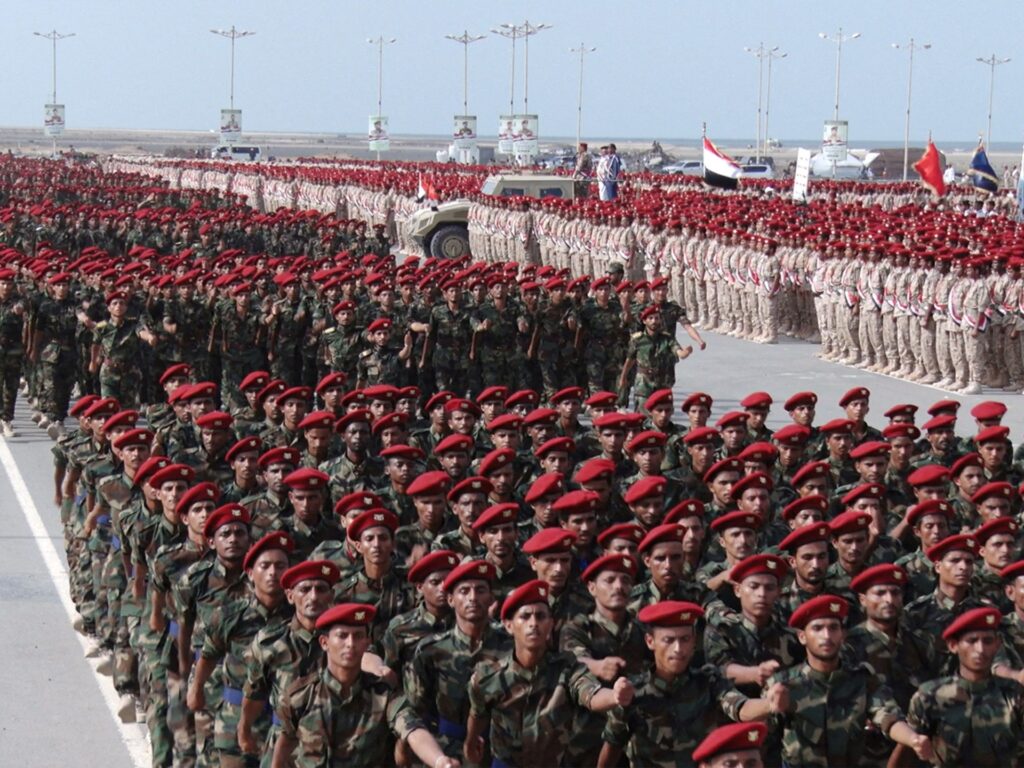
In a significant escalation of regional tensions, Yemen’s Houthi rebel movement has claimed responsibility for launching a missile attack targeting southern Israel. According to statements from the Houthis, the group fired a salvo of ballistic missiles aimed at what they described as “sensitive Israeli military sites.” This claim marks a notable development in the ongoing conflict dynamics in the Middle East, drawing attention to the expanding reach and influence of the Houthis beyond Yemen’s borders.
The missile attack reportedly targeted southern Israel, a region that has historically experienced relative calm compared to other conflict zones in the broader area. The Houthis’ assertion highlights their growing capability and willingness to engage in retaliation and military actions against Israel, which they oppose due to its regional policies and alliances.
Israeli officials have yet to confirm casualties or the extent of damage from the missile barrage. However, they have reiterated their commitment to national security and their readiness to respond to any threats. The Israeli military’s air defense systems, such as the Iron Dome, are known to intercept many incoming missiles, but the full efficacy against this recent attack remains under assessment.
The context of this missile attack is rooted in the complex web of Middle Eastern conflicts involving various state and non-state actors. The Houthis, a Shiite rebel group primarily based in Yemen, have been involved in a prolonged civil war against the Yemeni government, supported by a Saudi-led coalition. Their animosity towards Israel aligns with their ideological ties to Iran, which also opposes Israel and is accused of backing the Houthis with arms and training.
This announcement comes amid heightened regional instability. The Houthis’ missile attack could be interpreted as part of a broader strategy by Iran and its allies to pressure Israel and its Western supporters. It also signals a potential new front of conflict, with repercussions for the already volatile security situation in the Gulf and surrounding areas.
International reactions are expected to follow as governments and organizations call for de-escalation. The United Nations and various diplomatic entities have long urged for peaceful resolutions to the conflicts involving Yemen and Israel, emphasizing dialogue over military actions.
This attack may also influence diplomatic relations and security policies among Middle Eastern countries and global powers involved in the region. Monitoring the developments and responses in the coming days will be critical to understanding the impact of the Houthis’ missile assault on regional peace and security.
The Houthis’ capability to strike deep into southern Israel challenges the narrative of limited conflict zones and reflects the shifting dynamics of Middle Eastern warfare. It underscores the complexity and interconnectedness of ongoing conflicts where local disputes and broader geopolitical rivalries merge.
With the announcement of responsibility for this missile attack, the Houthis have placed themselves directly in the spotlight of international security concerns, raising questions about future escalations and the potential for expanded military engagements involving multiple actors in the Middle East.
In summary, the missile attack by Yemen’s Houthis on Israel represents a critical moment in the ongoing regional conflicts, shedding light on new dimensions of the struggle and prompting urgent calls for diplomatic action to prevent further bloodshed and instability.