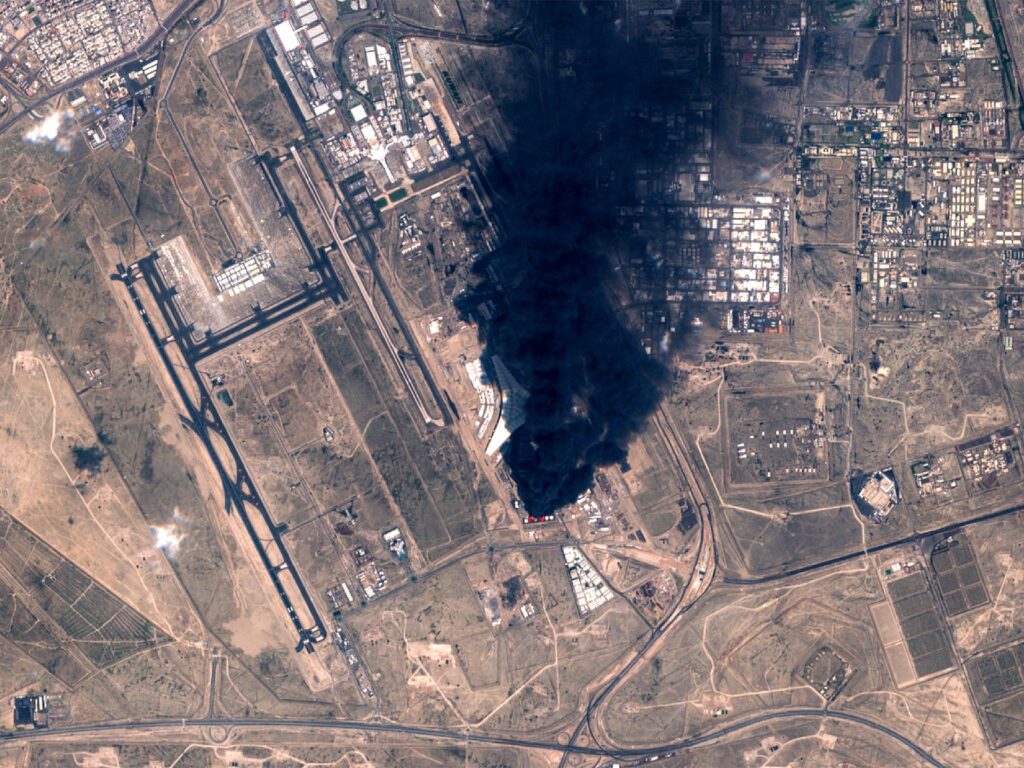
The ongoing conflict in the Middle East has escalated with the United States issuing a stern demand for Iran to accept defeat. This dramatic move comes amid continued military actions and heightened tensions across the region.
US officials have put forward a comprehensive 15-point plan aimed at resolving the conflict, which includes stringent conditions that Tehran must fulfill. However, an Iranian official has described this plan as ‘maximalist,’ indicating that the US demands are excessive and hard to accept. This characterization suggests a significant gap between the negotiating positions of the two countries.
Meanwhile, Iranian state television has outlined five key conditions for achieving peace, demonstrating Tehran’s approach to the conflict and its demands for any potential ceasefire or agreement. The specifics of these five conditions have yet to be fully disclosed but they reflect Iran’s perspective on the path toward de-escalation.
The situation on the ground remains tense as Israel has intensified its military operations, targeting areas in Lebanon. These strikes are part of broader efforts to curb militant activities and assert control in the volatile border regions. The impact of these air raids has caused significant concern among international observers about the potential for a wider regional conflict.
The conflict’s escalation has drawn global attention, with international actors calling for immediate de-escalation and a return to diplomatic negotiations. The US’s firm stance together with Iran’s rejection of the plan highlight the complexities involved in reaching a peaceful resolution.
Experts note that the entrenched positions, combined with ongoing military actions, complicate the prospects for peace and elevate the risks of further destabilization in the Middle East. The involvement of multiple countries and non-state actors in the region means that any conflict here has broader implications for global security and economic stability.
As the situation develops, diplomatic efforts continue behind the scenes. However, the public rhetoric from both sides underscores the challenges ahead. The international community is closely monitoring developments, urging restraint and dialogue to avoid a devastating escalation that could affect millions.
In summary, the Middle East conflict remains deeply entrenched with significant military and diplomatic maneuvers underway. The US demand for Tehran’s defeat, Iran’s resistance to the proposed peace plan, and Israel’s ongoing military campaign in Lebanon collectively paint a complex picture of a region on the brink. The coming days will be critical in determining whether these tensions can be managed or if they will spiral into a broader, more destructive conflict.