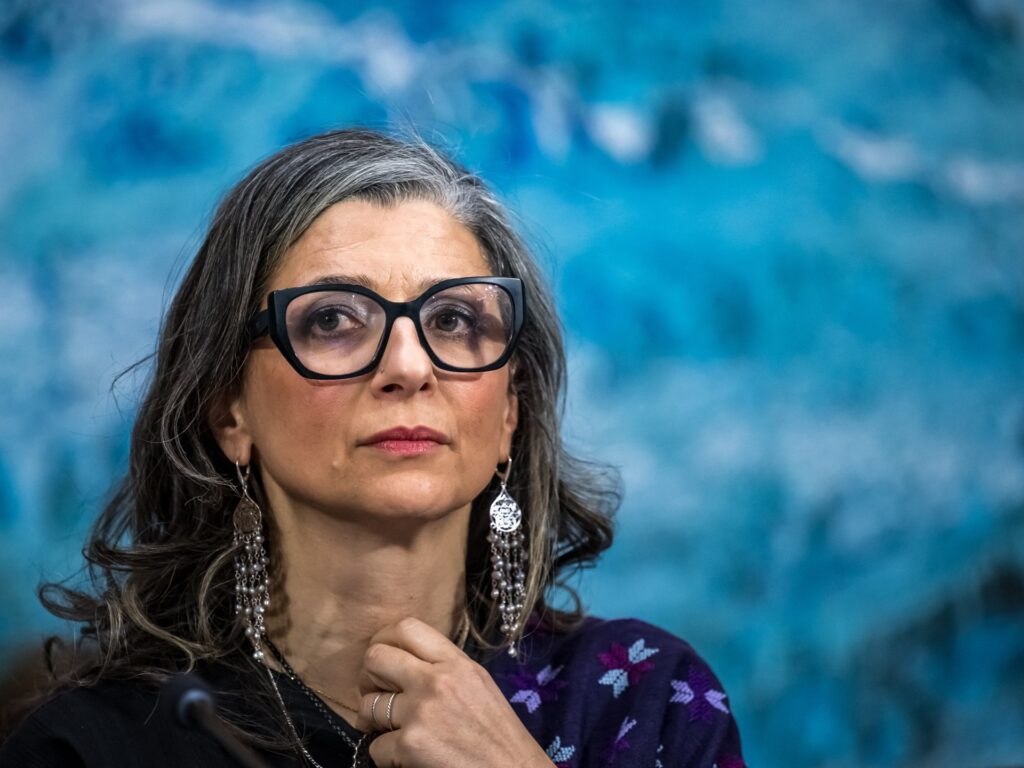
In a recent and highly controversial statement, UN Special Rapporteur Francesca Albanese accused the international community of effectively providing Israel with a ‘licence to torture Palestinians.’ This bold declaration highlights ongoing concerns about human rights violations in the context of the Israeli-Palestinian conflict.
Francesca Albanese, appointed by the United Nations to monitor and report on the human rights situation in the occupied Palestinian territories, addressed the severe issues of violence, detention, and alleged mistreatment faced by Palestinians. Her remarks came amid rising tensions and increasing international scrutiny of Israel’s policies and actions toward the Palestinian population.
Albanese’s statement underscores the perceived lack of accountability or effective intervention from global actors and powerful nations, which she argues has allowed systemic abuses to persist unchecked. By stating that the world has granted Israel this ‘licence,’ she alludes to a tacit acceptance or failure to take decisive action against human rights violations, which she claims amount to torture.
This accusation is particularly significant as it comes from a UN-appointed investigator whose role is to provide impartial evaluations and recommendations aimed at safeguarding human rights. Albanese’s statement reverberates through international forums, prompting renewed calls from various rights groups, activists, and states for stronger enforcement mechanisms and diplomatic pressure on Israel.
The issue of torture and ill-treatment of Palestinians has been documented in various reports by human rights organizations, which describe practices such as prolonged detention without charge, physical abuse, and psychological torment. These allegations contribute to a broader narrative of oppression and violation of international humanitarian law in the occupied territories.
Critics argue that the international community’s inconsistent responses have emboldened such practices, hindering prospects for peace and justice. Albanese’s stark characterization serves as a call to action for the United Nations and other global entities to revisit and reinforce their strategies concerning the Israeli-Palestinian conflict.
The statement also reinvigorates debates about sovereignty, occupation, and the legal frameworks governing the conduct of states in conflict zones. Legal experts and diplomats are now faced with the challenge of addressing these complex issues through multilateral dialogue and potential sanctions or resolutions.
In summary, UN Special Rapporteur Francesca Albanese’s declaration that Israel has been granted a ‘licence to torture Palestinians’ is a grave condemnation that shines a light on the urgent need for international accountability and reform. It has sparked a renewed discourse on human rights, the role of the United Nations, and the necessity for tangible action to protect vulnerable populations within the protracted Israeli-Palestinian conflict.