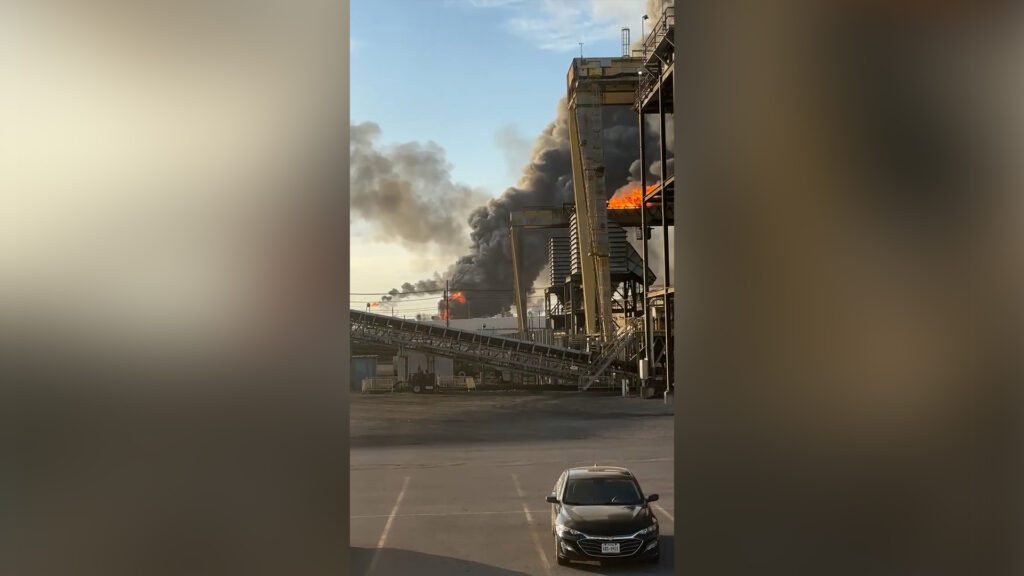
A significant fire broke out at the Valero oil refinery in Port Arthur, Texas, after an explosion rocked the facility. Eyewitness videos captured dramatic scenes of towering flames and a thick plume of black smoke billowing into the sky, drawing immediate attention and concern from the local community and authorities.
Valero, one of the largest oil refining companies in the United States, operates several facilities across the country, with Port Arthur being a crucial hub due to its capacity and proximity to major oil transport routes. This incident marks one of the most serious recent disruptions in the region’s oil production infrastructure.
The explosion reportedly occurred unexpectedly, triggering an immediate response from on-site emergency teams and local fire departments. The blaze quickly spread through parts of the refinery, characterized by flames visible for miles and dense smoke that impacted nearby neighborhoods, raising concerns about air quality and safety.
Authorities have issued advisories for residents living near the refinery to stay indoors and avoid exposure to the smoke, which could pose health risks due to the presence of hazardous chemicals released during the fire. Environmental agencies are monitoring the situation closely to assess any potential impacts on surrounding ecosystems and water sources.
Emergency crews continue to battle the fire, working tirelessly to contain the blaze and prevent it from spreading to other critical parts of the facility. The cause of the explosion remains under investigation, with early reports suggesting possible equipment failure or operational errors, but no official confirmation has been made yet.
Valero has released a statement acknowledging the incident and assuring the public and stakeholders that their primary concern is the safety of their employees and the local community. They have pledged full cooperation with emergency responders and investigation teams to quickly manage the situation and determine the root cause.
This event has already had significant implications for the oil market due to the refinery’s role in processing crude into gasoline, diesel, and other petroleum products. Analysts are watching closely for any disruptions in supply chains that could impact fuel prices nationally and internationally.
The incident at Port Arthur also underscores the inherent risks involved in oil refining, a complex and hazardous industrial process that requires rigorous safety protocols and constant vigilance. It highlights the importance of ongoing investments in infrastructure maintenance, emergency preparedness, and environmental safeguards.
Local officials have established disaster response centers to assist affected residents and provide up-to-date information on air quality and safety measures. Meanwhile, health professionals are advising individuals with respiratory conditions or sensitivities to take extra precautions during this period.
Historically, refinery accidents like this one prompt reviews of industrial safety standards and can lead to legislative actions aimed at ensuring safer operations sector-wide. The Texas Commission on Environmental Quality (TCEQ) is expected to participate actively in the investigation and enforcement of any needed compliance measures.
Communities in and around Port Arthur continue to watch anxiously as firefighters persist in their efforts to extinguish the fire. The event serves as a stark reminder of both the strategic importance and the hazards associated with oil refining infrastructure that powers much of the modern economy.
As the situation develops, updates will be provided to keep the public informed about containment progress, health advisories, and environmental impact assessments. The resilience of the refinery’s operational capabilities and the broader energy network will be tested in the days and weeks ahead as recovery and repair efforts begin.
In summary, the explosion and subsequent fire at the Valero refinery in Port Arthur, Texas, have created an urgent crisis with significant implications for industrial safety, environmental health, and energy markets. Efforts by emergency services and regulatory bodies are currently focused on protecting lives, minimizing damage, and uncovering the causes behind this devastating event.