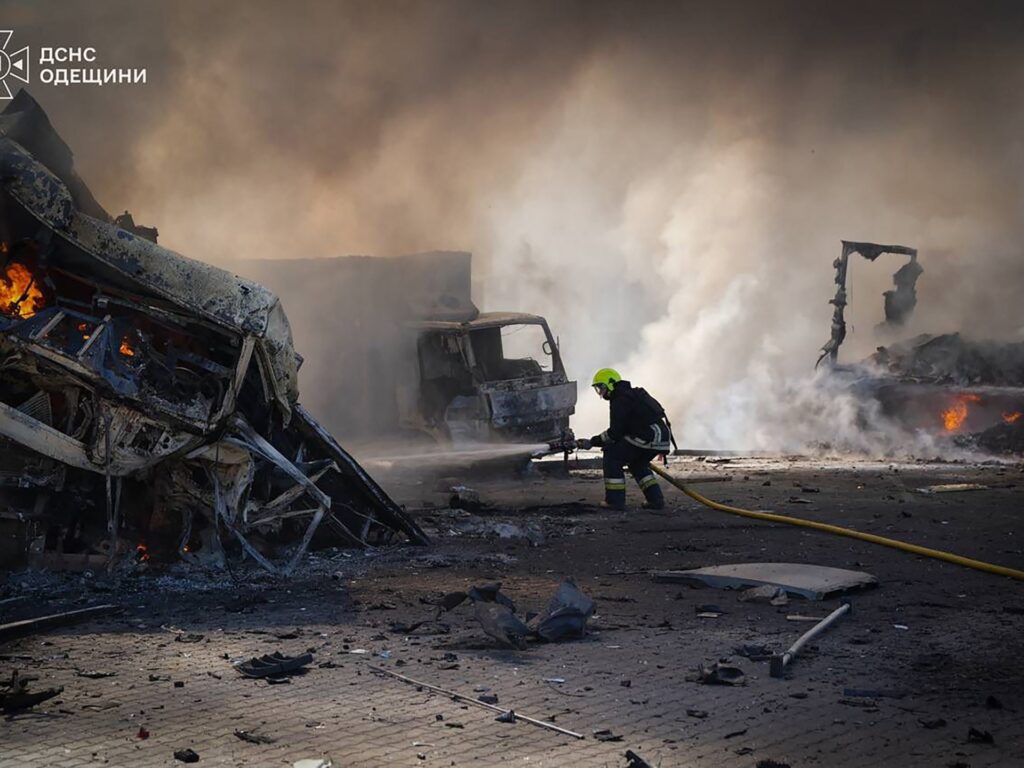
In recent developments, Russian attacks on Ukraine have resulted in the deaths of at least five individuals, escalating the ongoing conflict between the two nations. The Ukrainian armed forces have been ordered to adhere to a three-day ceasefire, a strategic move coinciding with a high-profile visit by US envoys to Moscow. This ceasefire is seen as a critical measure aimed at de-escalating tensions and potentially fostering dialogue during a sensitive diplomatic moment.
The US envoy team’s visit to Moscow comes at a crucial juncture as they aim to engage in discussions with Russian officials, likely focusing on the ongoing conflict in Ukraine and broader security concerns in the region. Following their engagements in Moscow, the envoys are scheduled to continue their diplomatic mission with a trip to Kyiv, underscoring the United States’ commitment to supporting Ukraine amid the conflict.
The attacks that led to the casualties highlight the volatility of the situation on the ground. Despite the ceasefire directive, fighting has persisted in various regions, underscoring the fragility of peace efforts. The three-day pause in hostilities is intended to provide a temporary lull to enable diplomatic talks to take place without the immediate threat of renewed violence.
Experts observe that the timing of the ceasefire and the US envoy visit is significant, as it suggests an urgent international push to prevent further escalation and to explore avenues for conflict resolution. The international community remains watchful, hopeful that these combined diplomatic efforts will pave the way for longer-term peace and stability in Eastern Europe.
Ukraine continues to face severe challenges, including managing civilian safety in conflict zones and addressing the humanitarian fallout from ongoing military actions. The ceasefire, although brief, offers a momentary respite that could facilitate humanitarian aid delivery and civilian evacuation in afflicted areas.
Meanwhile, Russian military objectives and broader geopolitical goals remain subjects of intense scrutiny as world leaders and analysts try to interpret Moscow’s strategy in the context of the evolving conflict.
The United States reaffirmed its support for Ukraine, emphasizing that its diplomatic engagement reflects a commitment to regional security and the principles of sovereignty and territorial integrity. These visits and the temporary ceasefire underscore the complexity of international diplomacy in conflict resolution and highlight the delicate balance of maintaining pressure while seeking dialogue.
As the situation develops, global attention is fixed on the outcomes of the diplomatic efforts and the adherence to the ceasefire, with hopes that these initiatives will contribute to de-escalating the conflict and preventing further loss of life.
In conclusion, the recent Russian attacks resulting in fatalities, juxtaposed with the Ukrainian ceasefire order and the arrival of US envoys in Moscow, encapsulate the tense and complex dynamics currently shaping the conflict in Ukraine. The coming days are critical as all parties navigate this challenging period with the aim of fostering peace and security in a turbulent region.