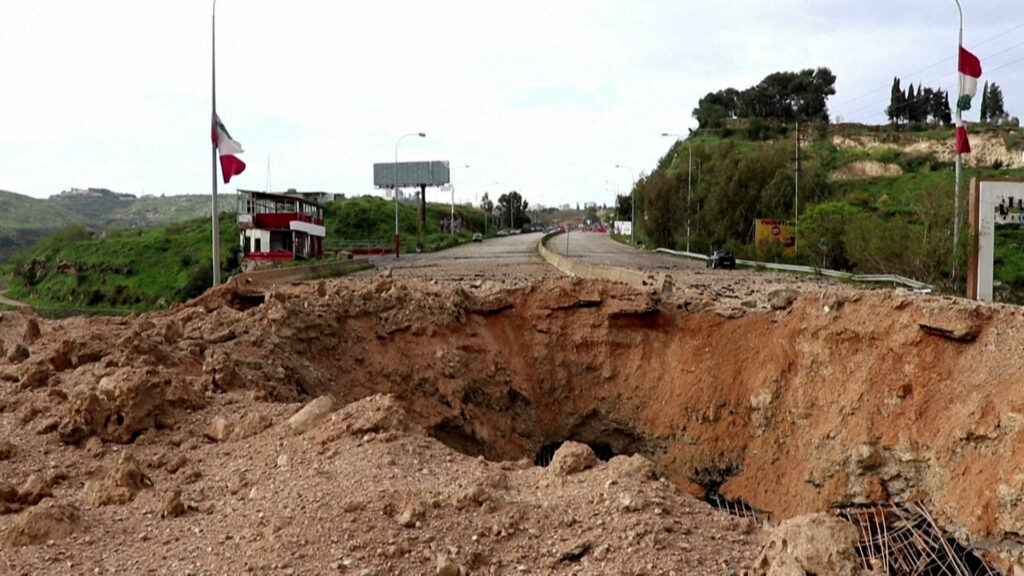
Tensions in the Middle East have escalated sharply following a recent strike by Israeli forces on the Qasmiyeh Bridge in Lebanon. The attack, which targeted a critical infrastructure point, has stoked fears among Lebanese officials and civilians alike that this could mark the beginning of a broader military campaign, potentially even a ground invasion by Israel.
The Qasmiyeh Bridge, located in southern Lebanon, serves as a vital passage for transportation and logistical support in the region. The deliberate targeting of this structure has not only caused significant disruption to local communities but also raised alarm bells about Israel’s strategic intentions.
Lebanon’s government has condemned the strike, labeling it as an aggressive act that undermines regional stability. Officials have voiced concerns that this might be a prelude to a more extensive ground operation aimed at Israeli security objectives within Lebanese territory.
Historically, the border shared between Israel and Lebanon has been a flashpoint for conflict, with periodic escalations that risk wider confrontations. The latest attack adds to the series of incidents that have heightened tensions in the area.
International observers have also expressed worry over the development, urging restraint from all parties involved to avoid a full-scale conflict that could destabilize an already volatile region further.
The context of the attack appears to be tied to ongoing disputes and security operations linked to Hezbollah, the prominent militant group based in Lebanon, which Israel considers a significant threat. Israeli defence officials have described the strike as a necessary measure to disrupt potential supply routes and diminish Hezbollah’s operational capabilities.
The implications of such military actions are profound, impacting not just military standings but also the lives of civilians who live in proximity to such infrastructures. Reports indicate an increase in civilian displacement and infrastructural damage, with humanitarian organizations calling for immediate aid and intervention to prevent a humanitarian crisis.
As Lebanon braces for possible future engagements, diplomatic channels appear strained, with little indication of imminent peace talks or negotiations to de-escalate the situation. Regional powers have been called upon to mediate and support conflict resolution efforts to prevent further deterioration.
The international community is closely monitoring the situation, with the United Nations and various global actors advocating for dialogue and peaceful solutions. The concern is that continued military momentum might lock both countries into a cycle of retaliation and violence.
In conclusion, the Israeli strike on the Qasmiyeh Bridge symbolizes a significant escalation in Israel-Lebanon tensions, encapsulating fears over what might be a prelude to a more complex and devastating ground invasion. The coming weeks will be critical in determining whether diplomatic efforts can succeed in curbing the surge toward conflict or if the area will witness heightened military confrontations with wider repercussions for the Middle East region.