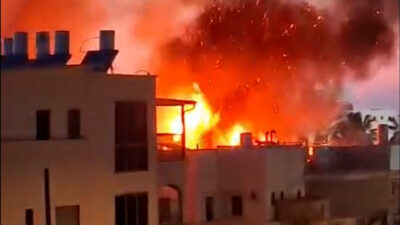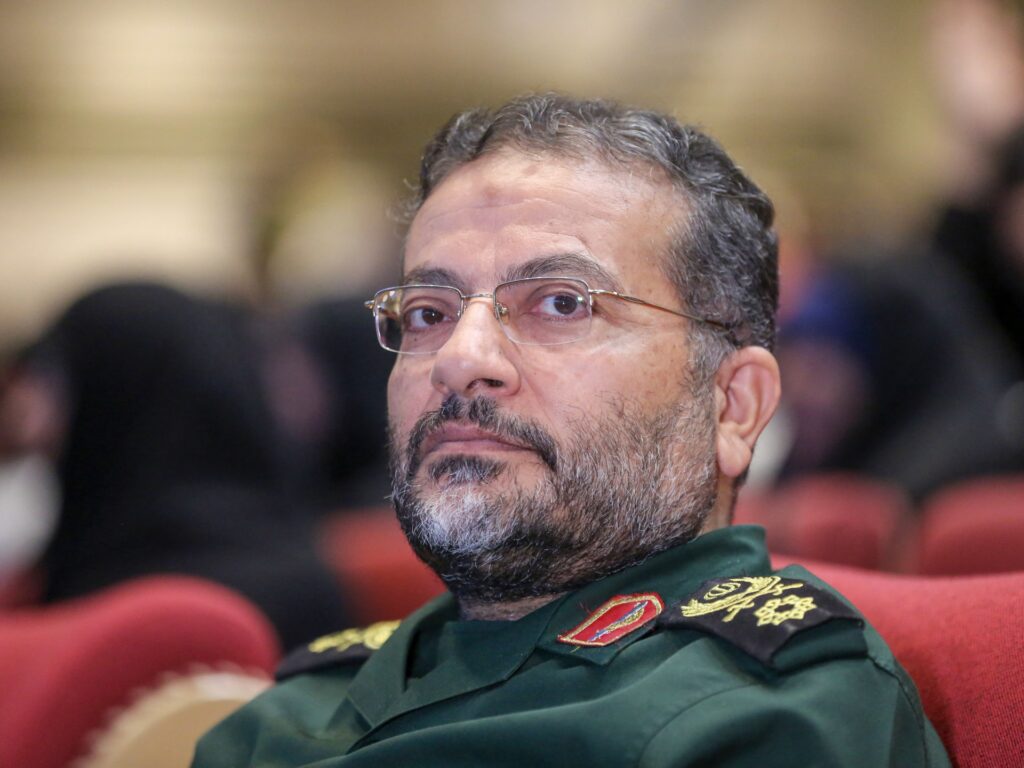
In a significant development amid ongoing regional tensions, Israel has claimed responsibility for the assassination of a high-ranking commander of Iran’s Basij militia unit. The Basij, a paramilitary volunteer militia established by the Iranian Revolutionary Guard Corps, plays a crucial role in Iran’s internal security and regional influence. This reported operation by Israel marks an escalation in the shadow conflict between the two nations, characterized by covert actions and retaliations over the past years.
Israel’s statement, released through its defense channels, outlined that the targeted commander was involved in orchestrating hostile activities against Israeli interests both within the region and internationally. The assassination has not yet been independently confirmed, but if authenticated, it would represent one of the most direct actions taken by Israel against Iran’s paramilitary leadership to date.
The Basij unit commander reportedly had a significant role in the militia’s operations, which include enforcement of internal religious and political order, and backing Iran’s foreign policy by extending influence in countries such as Syria, Iraq, and Lebanon. The loss of such a figure is expected to impact the Basij’s operational capabilities, though Iran’s security apparatus has historically been resilient to such blows.
Diplomatic circles express concern that this event could escalate tensions further in the volatile Middle East, possibly prompting retaliatory measures from Iran against Israeli or allied targets. Analysts caution that this situation bears watching closely, as it could increase the risk of broader conflict in the region already fraught with instability.
The international community calls for restraint, urging both sides to avoid further escalation that could endanger regional peace and security. Meanwhile, intelligence and security experts are analyzing the implications of this assassination on the power dynamics within Iran’s paramilitary and political structure.
As this story unfolds, updates are anticipated regarding the identity of the commander, the method of assassination, and the responses from Iran and other regional actors. The event highlights the ongoing complex and dangerous rivalry between Israel and Iran, underscoring the fragile state of peace in the Middle East.
In summary, Israel’s claimed assassination of a key Basij militia commander marks a critical point in the covert confrontations between the two nations. The immediate and long-term effects of this action remain to be seen, with potential consequences for regional security and geopolitical alignments in the coming weeks and months.