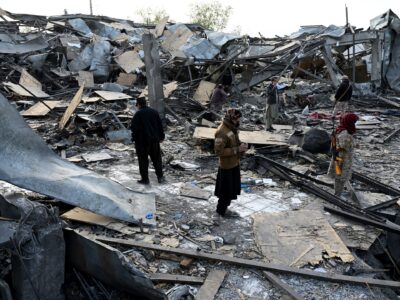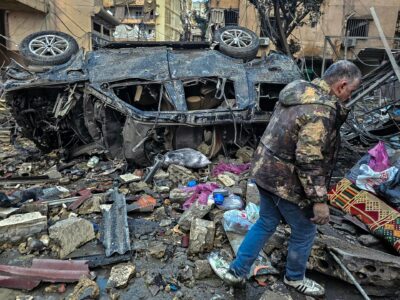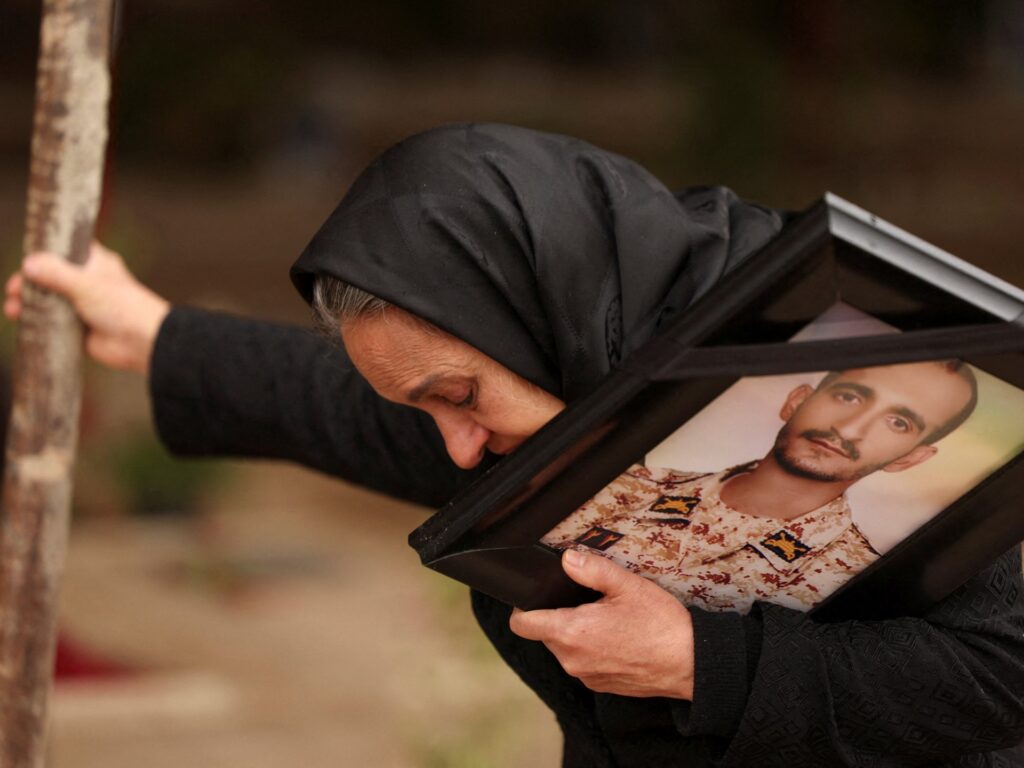
On the 18th day of the ongoing conflict involving US and Israeli attacks targeting Iranian cities, the situation has escalated, drawing significant regional and global attention. This military offensive, aimed at Iranian strategic and military sites, has resulted in substantial damage within Iran, contributing to a volatile security environment in the Middle East.
The attacks initiated by the US and Israel are part of a broader campaign intending to curtail Iran’s military capabilities and regional influence. Iranian cities have faced persistent aerial assaults, causing widespread disruption and civilian distress. With each passing day, the conflict seems to be escalating rather than moving towards de-escalation.
As the conflict intensifies, neighboring countries have expressed concerns about the potential for a broader regional war. The spillover effects are evident across borders, with heightened security alerts and military mobilizations in several Middle Eastern countries.
One of the significant consequences of this prolonged conflict is the impact on the global energy market. Iran, being a major oil producer, plays a crucial role in the stability of global energy supplies. The attacks have already disrupted oil production and transportation facilities, causing a ripple effect on global oil prices.
The energy crisis triggered by the conflict is felt worldwide, with rising fuel prices and fears of shortages in various industries dependent on stable energy resources. Economists warn that if the conflict persists, the ongoing instability could lead to more severe disruptions in energy markets globally.
Diplomatic efforts to broker peace have been limited, with international bodies calling for restraint and dialogue, yet no significant ceasefire agreements have been achieved. The US and Israel maintain their stance, emphasizing the necessity of their operations against what they describe as Iranian threats to regional and global security.
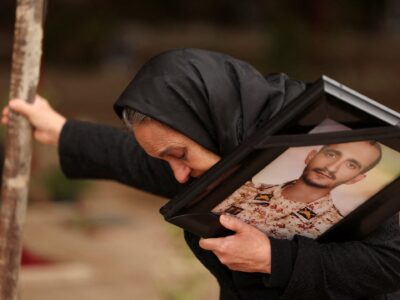
The humanitarian situation in Iran is also deteriorating, with reports of casualties, displacement, and shortages of basic supplies amid the conflict zones. International organizations have highlighted the urgent need for humanitarian assistance and safe access for aid workers.
The Iranian government has condemned the attacks, vowing retaliation and rallying domestic support against the foreign military actions on its soil. This rhetoric further fuels the hostilities and complicates prospects for peace.
In summary, day 18 of the US-Israeli attacks on Iran marks a critical juncture with escalating military actions, regional tensions rising, and a global energy crisis deepening. The international community remains watchful as the conflict impacts not only the parties involved but also the broader regional stability and global economic conditions.