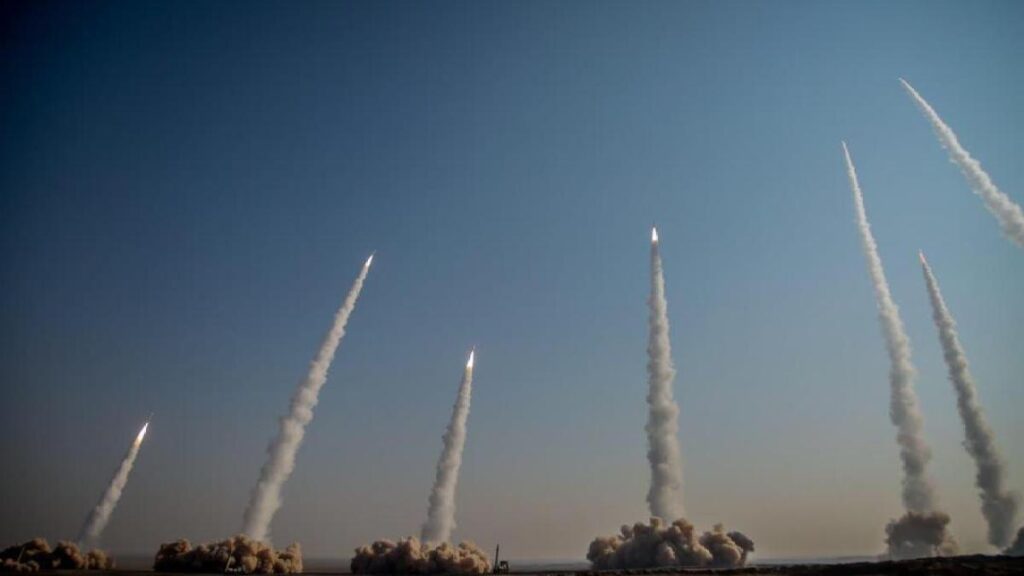
The United States recently announced that it has significantly degraded Iran’s missile launch capabilities, claiming to have destroyed key elements of the Iranian missile infrastructure. Despite these assertions, Iran continues to demonstrate the ability to launch missiles, keeping regional tensions high and raising questions about the true extent of the damage inflicted.
According to US officials, targeted strikes and intelligence efforts have successfully compromised Iran’s ability to conduct multiple or sustained missile operations. These efforts reportedly focused on missile launch sites, manufacturing facilities, and storage depots deemed critical to maintaining Iran’s missile arsenal.
However, military analysts and regional experts note that while Iran’s launch capacity may have been degraded, the country still retains a substantial inventory of missiles. Iran’s missile program is known for its strategic depth, with diversified storage and deployment methods that make complete neutralization difficult.
Experts emphasize that Iran’s missile strategy is not to overwhelm adversaries with quantity but to maintain a credible deterrent force capable of targeted strikes. This approach means that Iran can continue to execute limited missile launches that signal its capabilities and deter adversaries despite degraded infrastructure.
The ongoing missile activity has significant implications for the Middle East’s stability. Iran’s demonstrated ability to continue missile operations maintains pressure on neighboring countries and US forces in the region. It also complicates diplomatic efforts aimed at de-escalation and arms control.
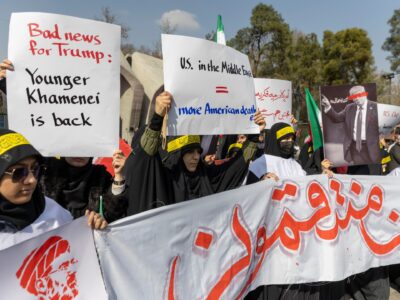
Iranian officials have presented these missile launches as a show of resilience, underscoring their commitment to national defense despite US actions. The launches serve both domestic propaganda purposes and international signaling, reinforcing Iran’s position as a regional power.
Analysts suggest that the US’s claims of destroying Iran’s missile capacity may be accurate in terms of operational limitations but do not equate to a total eradication of Iran’s missile threat. Iran’s missile inventory, dispersed and hidden, allows it to replenish launch capacity and adapt to strike planning.
The situation highlights the complexities of modern missile warfare and the difficulties in completely neutralizing a nation’s missile threat through targeted strikes alone. The arms race in the Middle East is poised to continue as Iran and its rivals seek technological and tactical advantages.
In conclusion, despite US efforts to degrade Iran’s missile launch capabilities, Iran remains able to fire strategically significant missiles. This ongoing capability serves as a critical component of Iran’s defense posture and geopolitical strategy, keeping the region on edge and underscoring the persistent challenges in addressing missile threats through military means.