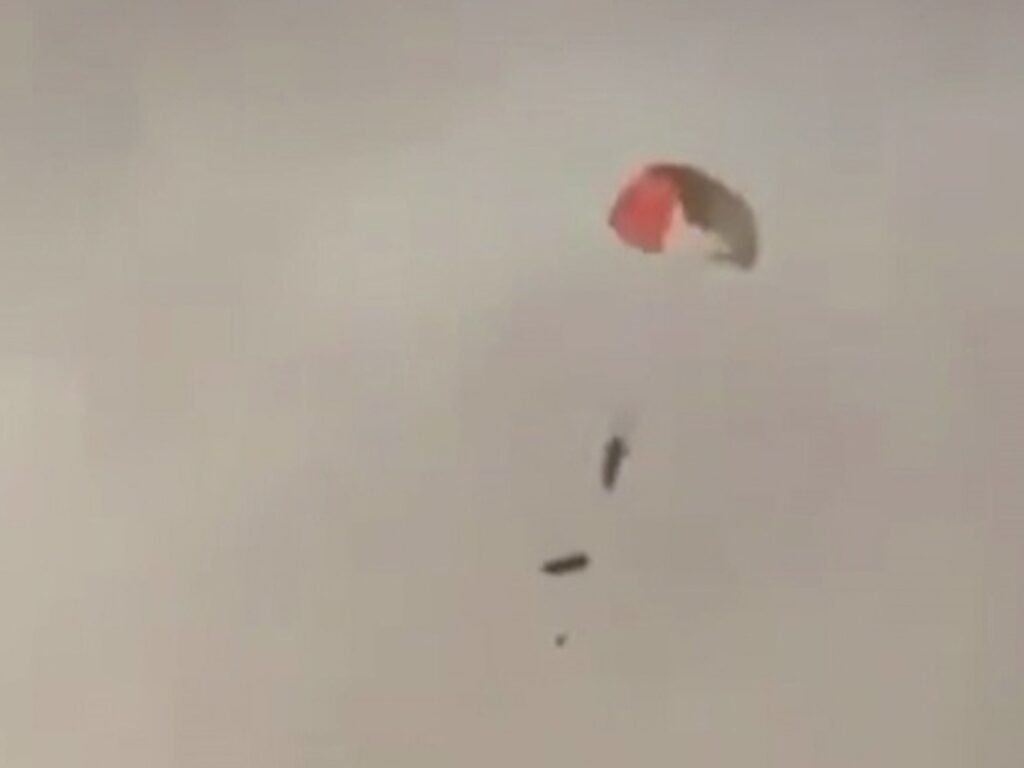
In a shocking and unprecedented incident, three US fighter jets were mistakenly shot down over Kuwait, stirring urgent investigations and raising serious concerns about military coordination and communication in the region. The United States Central Command (CENTCOM) confirmed the event, describing it as a tragic mistake that has prompted immediate reviews and diplomatic discussions.
Details of the incident reveal that the fighter jets were on a routine mission when they were unexpectedly targeted, leading to the loss of valuable aircraft and raising questions about the security protocols in place. While no casualties have been officially reported, the event marks a grave occurrence in US-Kuwait military relations.
CENTCOM has expressed regret over the incident, emphasizing that the shooting down of the jets was unintentional and a result of misidentification or miscommunication. The statement from CENTCOM highlighted the complexity of operating in a high-threat environment and the challenges faced in ensuring the safety of allied forces.
Kuwait has launched an investigation to determine the exact cause of the incident. Officials are looking into the circumstances that led to the jets being identified as threats and being fired upon. The investigation team is expected to analyze communications, radar data, and command procedures to establish a comprehensive understanding of the mistake.
The incident has stirred diplomatic sensitivities, with both countries emphasizing the importance of maintaining security and cooperation in the Gulf region. The US has reassured its commitment to ongoing partnerships with Kuwait and other allies to prevent such occurrences in the future. Both governments are likely to review joint operational protocols to enhance coordination and avoid similar mishaps.
Military analysts point out that incidents like this, though rare, highlight the risks inherent in complex air operations where multiple forces operate in close proximity. The risk of misidentification, especially in regions with heightened tension, underscores the need for improved communication systems and stringent identification measures.
The downing of the fighter jets has triggered discussions at multiple levels, including Pentagon briefings and meetings between US and Kuwaiti defense officials. These talks aim to reinforce confidence, resolve misunderstandings, and develop safeguards against accidental engagements.
Kuwait’s investigation is also focused on whether there were any technological failures that contributed to the incident. Early reports suggest the need for upgraded systems to differentiate friendly aircraft more reliably. This development may prompt updates to regional defense infrastructures.
The incident is unlikely to affect broader US-Kuwait relations significantly but serves as a critical reminder of the fragility and complexity of military operations in volatile regions. Washington and Kuwait are expected to work closely to restore trust and ensure enhanced safety for military personnel and equipment.
In sum, the mistaken shooting down of three US fighter jets over Kuwait is a significant event that combines military error, the risks of operating in contested airspace, and the urgent necessity for improved operational communication and identification protocols. Ongoing investigations and diplomatic efforts will be key to preventing such incidents in the future, maintaining strong partnerships, and safeguarding regional stability.