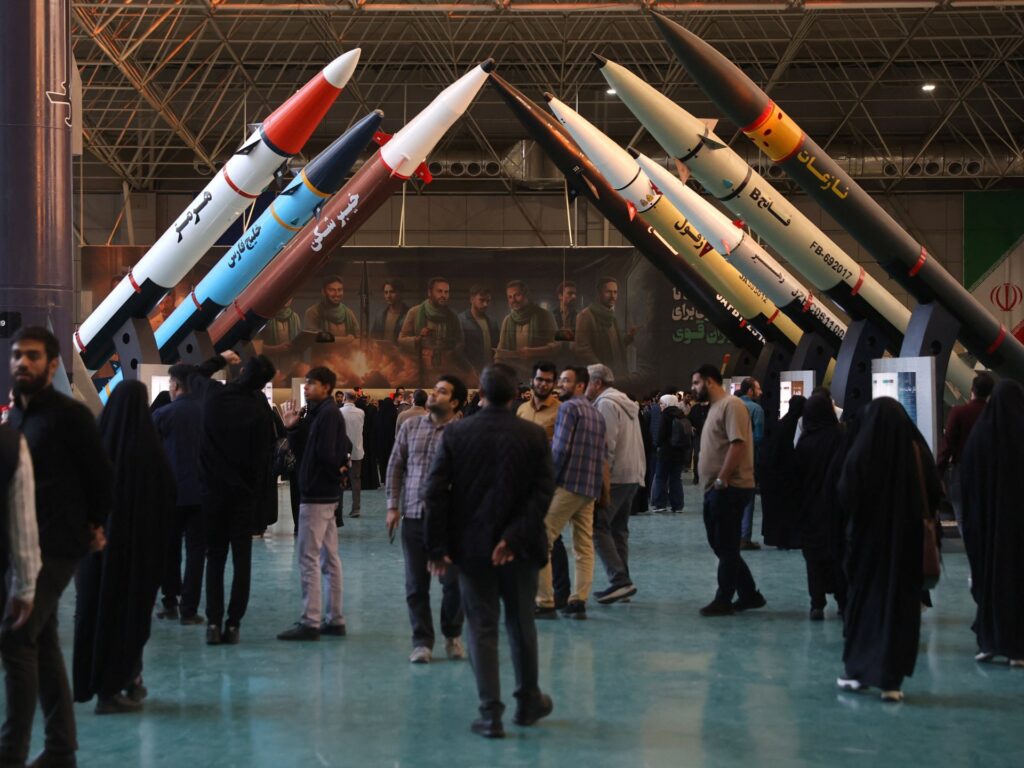
Iran’s military strategy has undergone significant revisions following the war that broke out between Iran-backed forces and Israel in June 2025. Defence analysts provide insights into the key changes and continuities in Tehran’s approach to security and military objectives in the region.
Prior to June 2025, Iran’s military strategy was characterized by its focus on asymmetric warfare. This approach emphasized the use of proxies, such as Hezbollah in Lebanon and various militia groups in Iraq and Syria, to counter its regional adversaries indirectly without engaging in full-scale conventional warfare. The strategy was designed to extend Iran’s influence, project power regionally, and deter direct attacks on mainland Iran through a web of allied militias and unconventional methods. Additionally, Iran invested heavily in missile technology, naval capabilities, and cyber warfare to further bolster its deterrence posture.
The June 2025 war, however, marked a turning point in how Iran perceives its strategic environment and conducts its military operations. Analysts note three major shifts in Iran’s military strategy since the conflict:
1. **Heightened Emphasis on Conventional Forces:** The war exposed vulnerabilities related to Iran’s reliance primarily on proxy warfare. In response, Tehran has increased investment in conventional military capabilities, including armored units, air defense systems, and more sophisticated drone warfare technology. This reflects a shift toward readiness for direct conventional engagements alongside proxy operations.
2. **Enhanced Integration of Cyber and Electronic Warfare:** The conflict highlighted the crucial role of cyber warfare and electronic warfare in modern combat. Iran has since expanded its cyber units, aiming to disrupt enemy communications and command infrastructure more effectively. This strategic pivot to digital battlegrounds aims to complement kinetic operations and provide an asymmetric edge.
3. **Strategic Recalibration in Regional Alliances:** Post-war, Iran has reassessed its alliances and support networks. While it continues to support proxy groups, there is a noted attempt to unify command structures and improve logistical support to strengthen coordination and operational effectiveness to prevent previously observed fragmentation during the June 2025 war.
The revised strategy also incorporates greater emphasis on missile deterrence and the possibility of retaliatory strikes beyond its borders, signaling a willingness to escalate conflicts if Iran’s core interests are threatened. This evolution reflects Iran’s intent to maintain regional influence while preparing for more complex, multi-domain warfare scenarios.
Iran’s military doctrine post-2025 war thus blends elements of both asymmetric and conventional warfare, underpinned by advances in technology and cyber capabilities. Defence experts agree that this will likely contribute to a more robust and flexible Iranian military posture, complicating the strategic calculations of its regional rivals, especially Israel.
In conclusion, the June 2025 war with Israel served as a catalyst for substantial changes in Iran’s military strategy. From reliance on proxy forces to a more balanced approach that integrates conventional power projection and cyber warfare, Iran has sought to adapt to the evolving threats and dynamics in the Middle East. This strategic transformation aims to ensure Tehran’s resilience and assertiveness in a highly contested and volatile region.