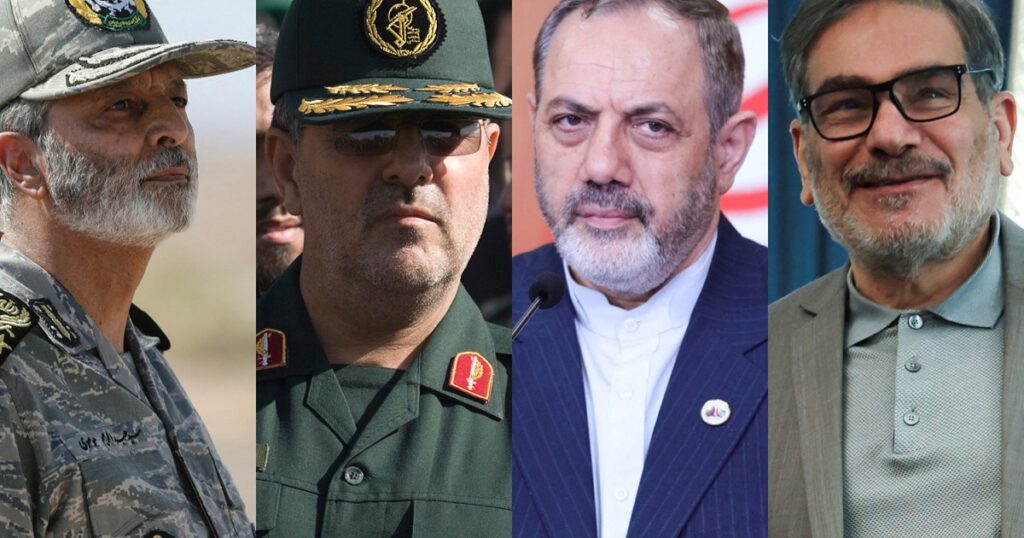
In recent US and Israeli attacks targeting Iran, some of the country’s most senior military figures have been killed, marking a significant escalation in regional tensions. Prominent among those killed is Iran’s Defence Minister, a key figure responsible for overseeing the nation’s defense policies and military operations. His death represents a substantial blow to Iran’s military leadership.
Another critical loss for Iran is the commander-in-chief of the Islamic Revolutionary Guard Corps (IRGC). The IRGC is a powerful branch of the Iranian military, influential not only in domestic security but also in Iran’s foreign interventions and regional strategies. His killing signals a major strategic hit to Iran’s military and political influence.
These assassinations underscore the heightened conflict and ongoing covert tensions between Iran, the United States, and Israel. Both the US and Israel view Iran as a significant threat due to its nuclear program, regional influence, and support for proxy groups throughout the Middle East.
Iran’s leadership has historically placed heavy emphasis on the IRGC, making the loss of its commander-in-chief particularly symbolic and operationally impactful. The Defence Minister’s role in shaping Iran’s military policies further amplifies the significance of these targeted attacks.
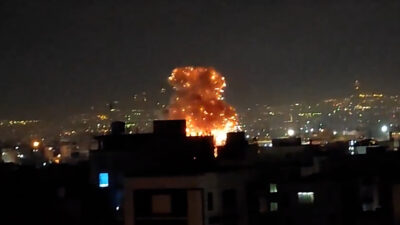
The strike that led to the demise of these senior figures is seen as a message from the US and Israel, aiming to deter Iran’s military ambitions and regional influence. It also reflects the ongoing shadow war taking place across the Middle East, where intelligence agencies and military operatives engage in covert operations against rival states.
The killing of these senior officials could lead to a reshuffling within Iran’s military and political hierarchy, potentially ushering in a period of uncertainty and instability. It may also provoke retaliatory measures by Iran, escalating the cycle of violence in the region.
Internationally, the attacks have raised concerns about the possibility of a broader conflict involving key global powers, given Iran’s strategic alliances and its pivotal role in Middle Eastern geopolitics.
In response to these killings, Iran has vowed to intensify its resistance against what it terms Western aggression, further complicating prospects for diplomacy and peace.
The deaths of Iran’s Defence Minister and the IRGC commander-in-chief highlight the deadly stakes of the ongoing geopolitical struggle involving Iran, the US, and Israel. This development underscores the fragile and volatile nature of Middle Eastern security, where high-profile assassinations can have far-reaching consequences for regional and global stability.