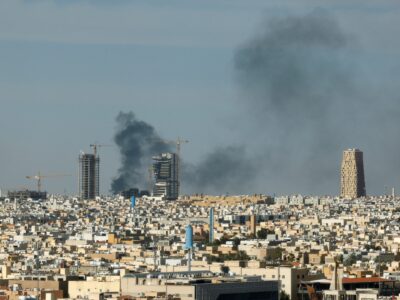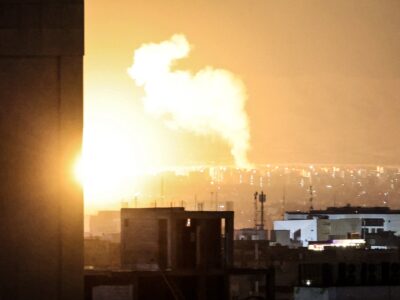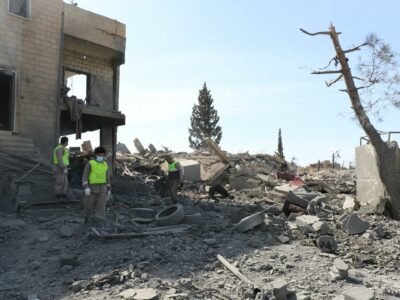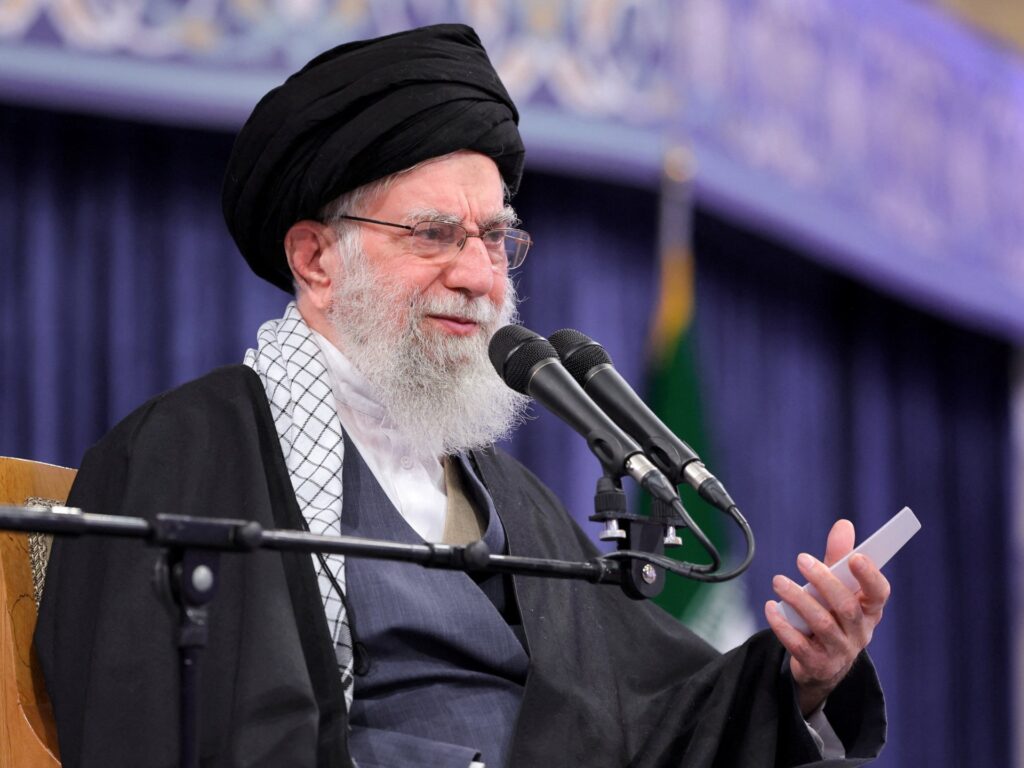
In a recent and highly controversial statement, former U.S. President Donald Trump claimed that Iran’s Supreme Leader, Ayatollah Ali Khamenei, is dead following alleged US-Israeli military strikes. This assertion has emerged amidst escalating tensions between the United States, Israel, and Iran, particularly in the wake of reported attacks targeting Iranian positions.
Trump’s declaration has caused significant stir on international platforms, given Khamenei’s pivotal role in Iran’s governance and its theocratic leadership structure. The claim was made publicly without official confirmation from any credible intelligence or governmental sources.
Contrasting sharply with Trump’s statement, Iran’s prominent news agencies Tasnim and Mehr have reported that Ayatollah Khamenei remains alive, resilient, and continues to lead unabated. Both agencies emphasized that Khamenei is “steadfast and firm in commanding the field,” underscoring his unshaken position despite the ongoing conflicts.
Iran’s Tasnim News Agency, known for its close ties to the Revolutionary Guard, quoted officials asserting Khamenei’s ongoing engagement in the nation’s strategic decisions. Similarly, Mehr News, another significant media outlet within Iran, echoed these reports stressing that the Supreme Leader remains at the helm of Iran’s national and military directives.
The discrepancy between Trump’s claims and Iranian reports feeds into the broader narrative clash between Western and Iranian sources on developments in the Middle East. The implications of such conflicting reports are profound, potentially affecting diplomatic relations, regional stability, and international perceptions.
Contextually, tensions between the US, Israel, and Iran have intensified over the past months following a series of covert strikes and countermeasures. Israel, often alleged to carry out clandestine operations targeting Iranian nuclear facilities and military infrastructure, alongside US strategic interests, has purportedly escalated its activities against Iran.
Multiple Western intelligence reports have confirmed increased Israeli operations in Iranian territory, though direct confirmation from official sources is often scarce due to the sensitive nature of these missions. The US continues to assert its commitment to safeguarding its allies in the region while contending with Iran’s influence and nuclear ambitions.
Iran’s leadership, particularly Khamenei, has been pivotal in directing the country’s domestic and foreign policies, including its nuclear program and support for allied groups across the Middle East. His death, if true, would signify a major power vacuum and potential upheaval within the theocratic regime.
However, with Iranian agencies firmly denying rumors of Khamenei’s demise, analysts urge caution and highlight the possibility of misinformation or propaganda being utilized by either side in ongoing information wars.
The international community watches closely as these conflicting accounts unfold, understanding that stability in the Middle East remains precarious. Diplomatic channels have not yet verified any of these claims, and independent confirmations remain elusive.
In conclusion, while Trump’s statement regarding Khamenei’s death has grabbed headlines, credible Iranian sources maintain that the Supreme Leader is alive and actively commanding amidst the tumultuous geopolitical environment. The truth behind these claims continues to be shrouded in secrecy and underscored by the complex strategic games played by global powers in the region.