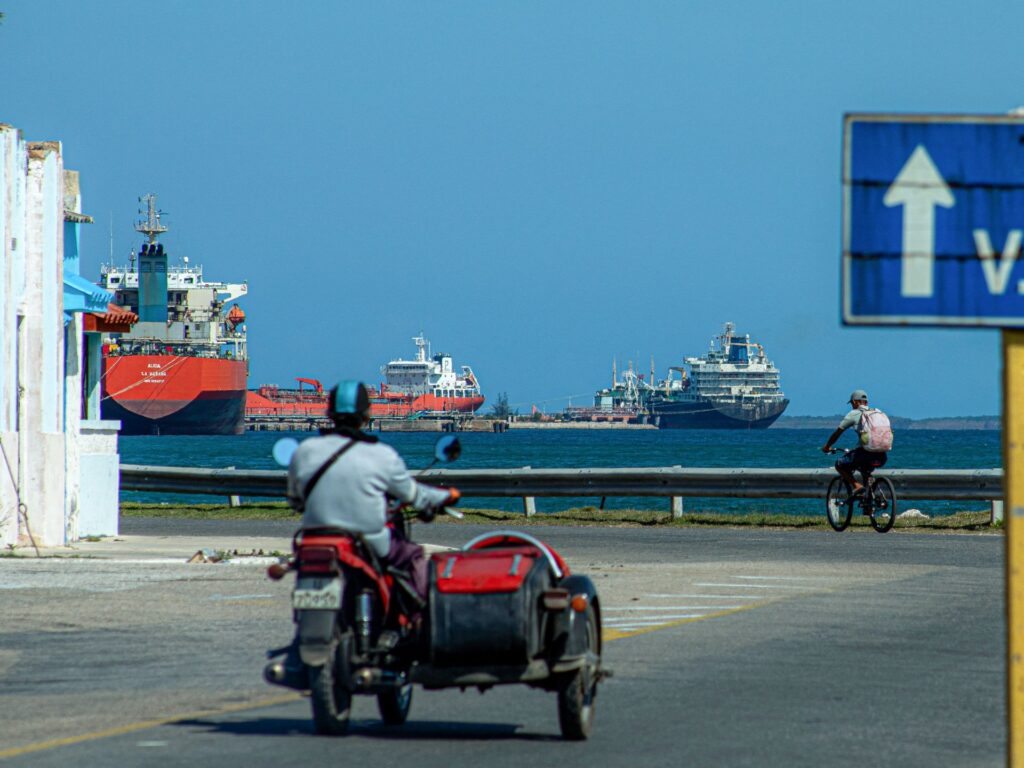
In a significant policy shift, the United States has decided to ease its embargo restrictions to permit the sale of Venezuelan oil to Cuba. This move comes amid growing alarm from Caribbean nations over the potential for a worsening humanitarian crisis in the region that could have destabilizing effects.
For decades, US sanctions have severely limited Cuba’s access to energy supplies, exacerbating shortages of fuel and electricity. These restrictions extended particularly to oil imports from Venezuela, which has historically been Cuba’s primary supplier. Now, under the new policy, limited Venezuelan oil sales to Cuba will be allowed, marking a notable softening of the US stance.
The decision follows intensified warnings from Caribbean governments and humanitarian organizations about the escalating hardships faced by Cubans. Severe fuel scarcities have led to rolling blackouts, disruptions in public services, and difficulties in transporting goods and people. These conditions threaten greater social unrest and economic instability, issues that could ripple throughout the tightly interconnected Caribbean region.
Caribbean leaders have expressed that failing to address Cuba’s energy crisis could have ripple effects, including increased migration pressures, heightened regional insecurity, and setbacks in economic development for neighboring countries. The US action aims to mitigate these risks by ensuring Cuba receives some access to critical oil supplies while still maintaining key sanctions intended to pressure the Cuban government.
Experts note that allowing Venezuelan oil to reach Cuba could provide temporary relief but does not resolve broader economic and political challenges facing the island nation. The underlying tensions between the US and Cuba remain complex, involving human rights concerns, political freedoms, and economic reforms.
This policy adjustment also reflects a broader US strategy to stabilize the Caribbean and reduce the influence of adversarial governments in the region. Washington hopes that by alleviating immediate humanitarian pressures, it can foster conditions conducive to dialogue and reform within Cuba.
In summary, the US decision to permit Venezuelan oil sales to Cuba represents a pragmatic response to an urgent regional crisis. It underscores the delicate balance between enforcing sanctions and addressing humanitarian needs to prevent wider instability in the Caribbean basin.