The third round of indirect US-Iran nuclear negotiations is set to begin in Geneva today, signaling renewed efforts to revive the 2015 Iran nuclear deal despite ongoing tensions in the Middle East. These talks come at a time when the US has significantly increased its military presence in the region, heightening concerns about stability and security.
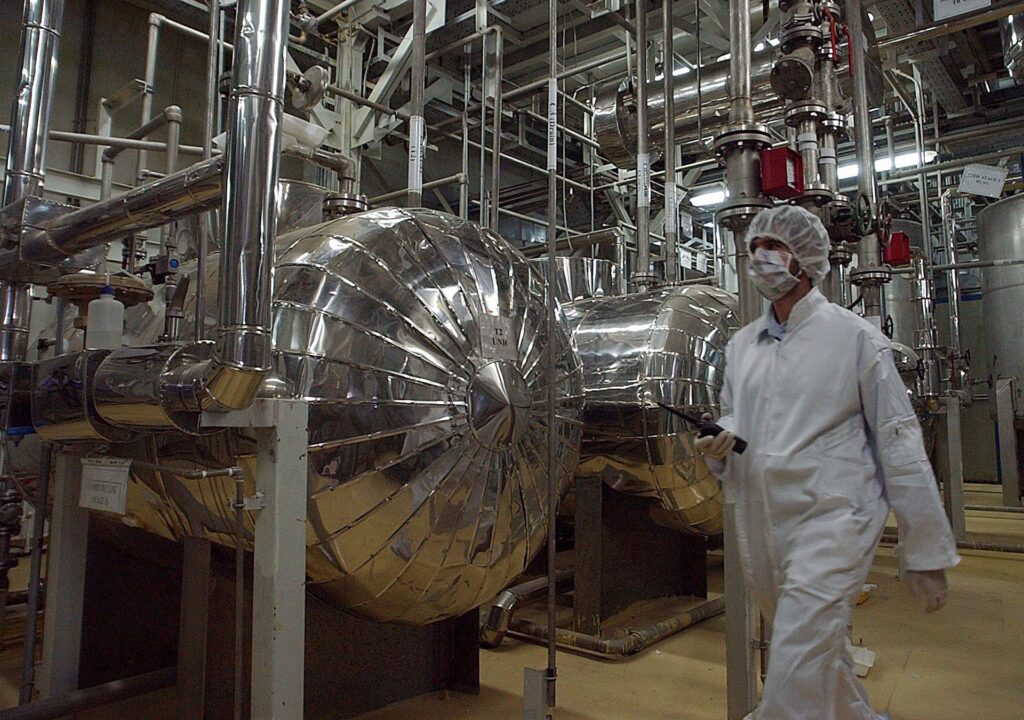
The nuclear negotiations aim to address longstanding issues regarding Iran’s nuclear program, including uranium enrichment levels and verification mechanisms. Both parties have engaged in prior rounds of talks with the goal of restoring compliance to the Joint Comprehensive Plan of Action (JCPOA), which the US exited in 2018 under the Trump administration.
Iran has consistently demanded the lifting of stringent economic sanctions as a precondition for returning to full compliance, while the US insists on strict monitoring to ensure Iran does not develop nuclear weapons capabilities. The indirect nature of these talks involves European intermediaries who facilitate dialogue, given the absence of direct US-Iran diplomatic relations.
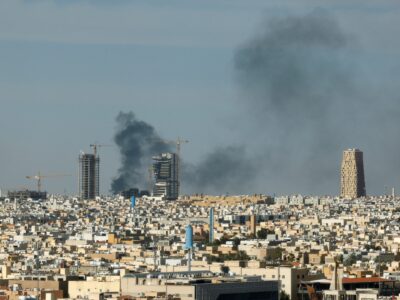
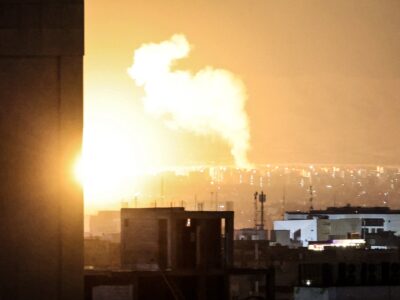
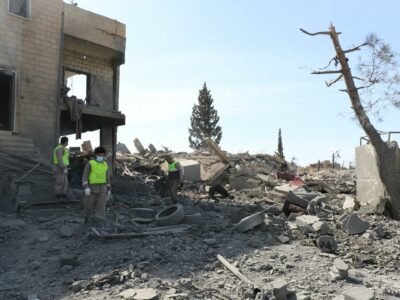
The timing of these discussions is critical as the region faces heightened military activity. The US military buildup includes increased naval forces, troops, and surveillance assets in strategic locations to counter perceived threats. This buildup is a response to escalating tensions prompted by recent attacks on US allies and interests across the Middle East.
Experts warn that the military escalation could undermine diplomatic efforts, with the potential to derail progress or provoke retaliatory actions. Nonetheless, key international players advocate for diplomacy as the path to de-escalation, emphasizing the importance of the nuclear talks.
The third round will focus on finding common ground on contentious issues such as sanctions relief, inspection protocols, and Iran’s ballistic missile program. Previous rounds made modest progress but failed to break major stalemates.
Iranian officials have expressed cautious optimism about the Geneva talks, stressing the importance of tangible outcomes. US representatives have also tempered expectations, underscoring the complexity of the issues and the need for compromise.
The outcomes of these negotiations will have significant implications for regional security, global non-proliferation efforts, and international diplomatic relations. Many analysts see the talks as a pivotal moment that could either pave the way for renewed cooperation or escalate tensions further.
Observers will closely monitor the negotiations as well as developments on the ground in the Middle East, where various proxy conflicts and geopolitical rivalries continue to challenge peace and stability.
The international community largely supports the resumption of dialogue and hopes that both parties can reach an agreement that prevents nuclear proliferation while addressing legitimate security concerns. The Geneva talks represent a critical opportunity to ease one of the most dangerous flashpoints in international affairs.
As the third round unfolds, the world watches with anticipation, hoping that diplomacy can overcome distrust and setbacks to forge a more secure future in the Middle East.