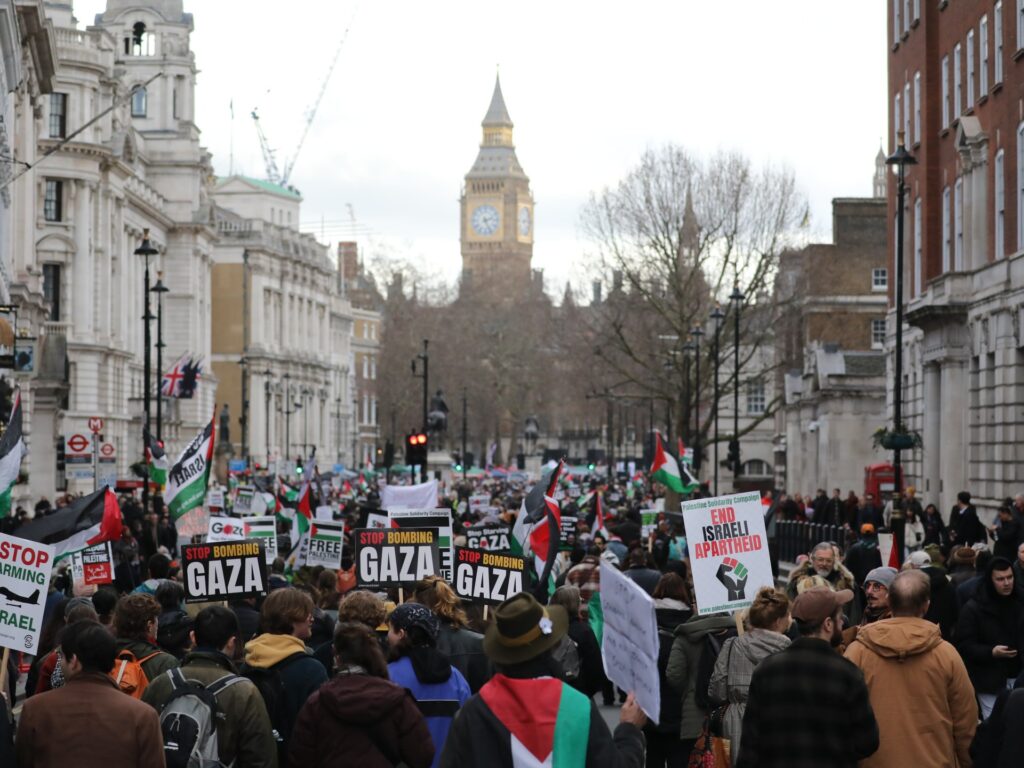
In a significant political development ahead of the upcoming local elections, more than 1,000 UK councillors have signed a pledge in support of Palestine, highlighting growing solidarity movements within local government bodies across the country. This campaign, gaining substantial momentum, calls for increased pressure on local authorities to divest from companies that manufacture weapons used by Israel.
The pledge represents a coordinated effort to influence ethical investment policies at the municipal level, urging councils to scrutinize and potentially sever financial ties with Israeli arms manufacturers. Supporters of the pledge argue that local government investments should reflect moral considerations, especially concerning international conflicts and human rights issues.
Local election campaigns traditionally focus on borough-specific issues such as housing, public services, and community safety. However, this grassroots movement illustrates how international matters are increasingly influencing local politics in the UK. Councillors backing the pledge hope to raise awareness among voters about the implications of council investments and the broader geopolitical context.
The movement has sparked mixed reactions. Advocates emphasize the importance of standing in solidarity with Palestinians and see council divestment as a peaceful means of protest against policies perceived to contribute to the ongoing conflict in the Middle East. They believe local governments have both the responsibility and the power to promote ethical standards in their financial decisions.
Opponents, however, warn that such actions may politicize local governance and complicate council investment strategies, potentially affecting returns and budgets for vital community projects. Some critics suggest that the pledge could deepen divisions and distract from the local issues councils are primarily elected to manage.
Analysts note that the pledge’s timing is strategic, coming just ahead of elections where many undecided voters may be influenced by the councils’ stance on international issues tied to human rights and justice. The campaign’s organizers have utilized social media and local networks to expand reach, aiming to turn the pledge into a widespread commitment among councillors nationwide.
Historically, UK councils have faced calls to consider ethical implications of their investments, including divestment from tobacco, fossil fuels, and arms industries. The Palestine pledge fits within this broader framework of ethical investment activism, reflecting heightened public concern over global humanitarian crises.
The significance of more than 1,000 councillors signing the pledge marks one of the largest collective actions regarding Palestine by elected officials in the UK to date. It underscores the increasing role that local governments play in global advocacy and ethical decision-making.
As the local polls approach, the impact of this pledge could influence election outcomes, council policies on investment, and the way local authorities engage with global issues going forward. This movement may set a precedent for future campaigns focused on international justice within local governance structures.
In summary, the Palestine pledge by UK councillors symbolizes a growing intersection of local governance and international human rights advocacy. It invites a broader conversation about the responsibilities of elected representatives to consider ethical investments and the influence of local authorities in global matters.