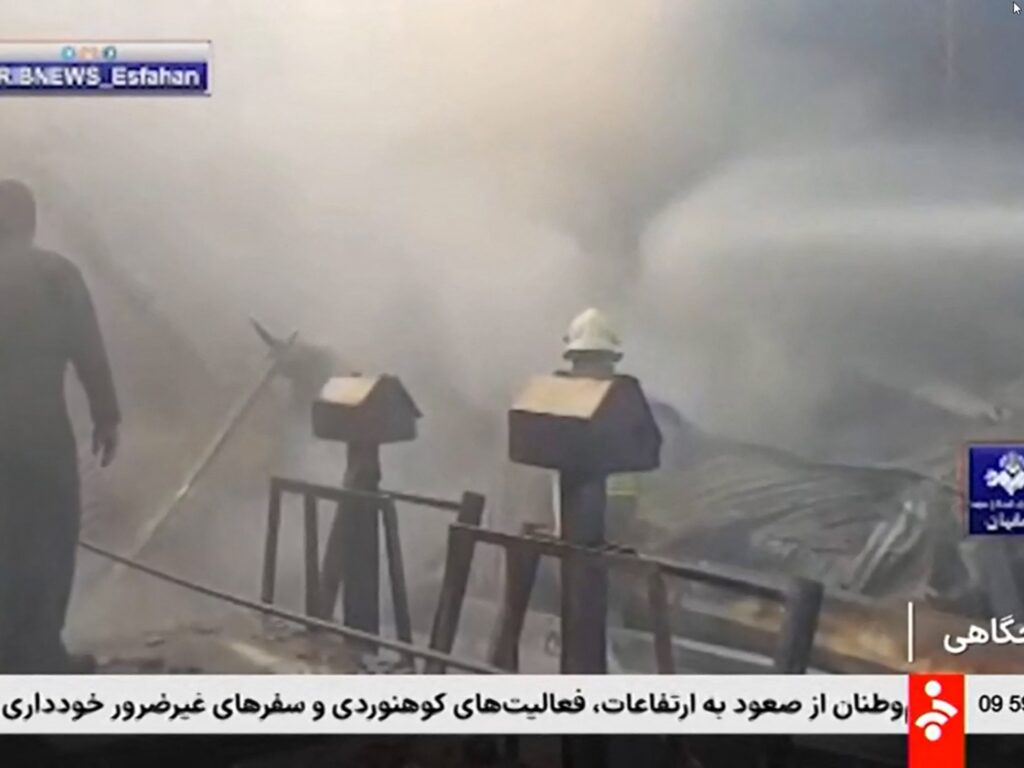
In a tragic incident in Iran’s Isfahan province, a military helicopter crashed into a busy market, resulting in the deaths of two pilots and two merchants. The crash has sent shockwaves through the community, highlighting ongoing concerns about military aviation safety within the country. This unfortunate event comes on the heels of another aviation accident that occurred less than a week ago, when a fighter jet crashed in Hamadan province. Together, these incidents underscore the risks associated with military aircraft operations in Iran and have prompted calls for thorough investigations and enhanced safety measures. The helicopter crash in Isfahan caused extensive damage to the market area, further compounding the tragedy for local residents and vendors. Emergency response teams quickly arrived at the scene to provide aid and manage the aftermath, but the loss of life has deeply affected the community. Iranian authorities have pledged to conduct a comprehensive inquiry to determine the causes of the crash and to prevent similar incidents in the future. The military aviation sector in Iran is under increased scrutiny as these consecutive accidents raise urgent questions about aircraft maintenance, pilot training, and operational protocols. The recent string of disasters serves as a somber reminder of the inherent dangers faced by military aviators and the potential impact on civilians when accidents occur close to populated areas. The government and military officials have expressed condolences to the families of the victims and have reiterated their commitment to improving aviation safety standards. As investigations proceed, attention is also turning toward possible technical failures or human error that may have contributed to the crash. Meanwhile, the local community mourns the loss of life and the disruption to their daily lives caused by the helicopter’s unexpected descent onto the market. This tragic event adds to the challenges faced by Iranian military aviation and highlights the critical importance of rigorous safety oversight and preventive measures to safeguard both personnel and civilians.