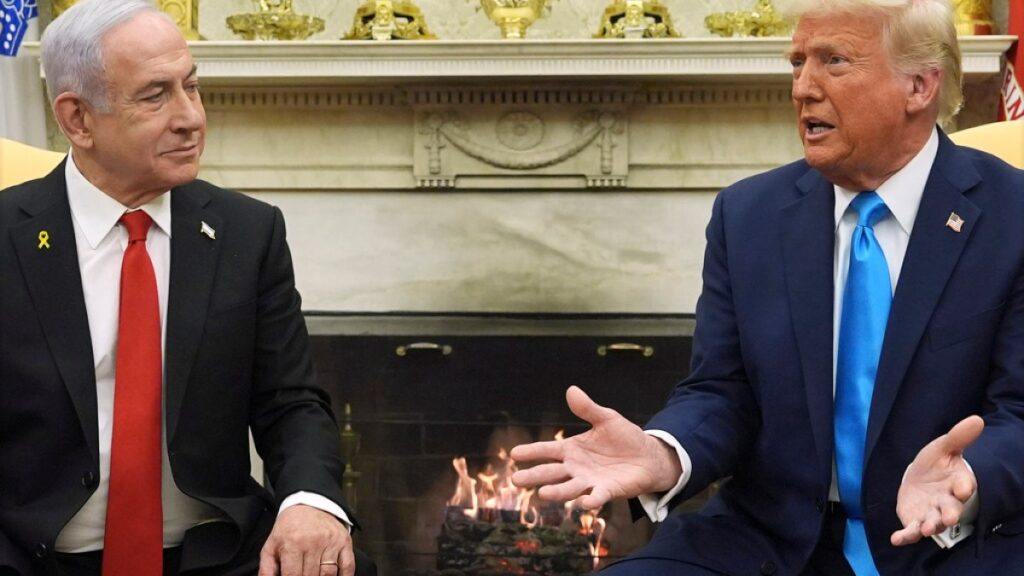
Israeli Prime Minister Benjamin Netanyahu’s upcoming visit to the United States marks his sixth official trip to the country, signaling ongoing strong ties between the two allies amid a complex geopolitical landscape. Netanyahu’s visits to the US have traditionally been moments of deep diplomatic engagement, strategic discussions, and sometimes controversy, reflecting the broader regional and global stakes at play.
Historically, Netanyahu’s prior visits have centered on several key themes: Israeli security concerns, US-Iran relations, and the broader Middle Eastern peace process. Each trip has been carefully timed to correspond with critical moments in Middle East diplomacy or US foreign policy shifts.
In his first visits as Prime Minister, Netanyahu often prioritized securing American support against regional threats, particularly focusing on the perceived dangers posed by Iran’s nuclear program. This alignment with US policymakers established a pattern of close coordination on security matters.
Throughout his visits, Netanyahu has met with multiple US presidents and administrations, tailoring his approach according to the prevailing US political climate. For example, previous visits during the Trump administration were marked by significant diplomatic milestones, including the recognition of Jerusalem as Israel’s capital and the US withdrawing from the Iran nuclear deal, moves warmly supported by Netanyahu.
Each visit also reflects Netanyahu’s political needs at home, showcasing his ability to maintain strong international alliances. His diplomatic engagements often send messages to both Israeli and Palestinian audiences, as well as to broader international stakeholders.
Netanyahu’s sixth visit arrives amid escalating tensions in the Middle East, with recent developments intensifying security concerns. Issues such as ongoing US-Iran negotiations over nuclear agreements and regional conflicts have added layers of urgency to the discussions expected during this trip.
Observers note that this visit could influence the trajectory of future US-Middle East policies, especially as Washington navigates the complexities of Iran’s ambitions and regional power dynamics.
In summary, Netanyahu’s six trips to the United States offer a prism through which to view the evolving Israeli-American relationship and the shifting landscape of Middle Eastern geopolitics. His latest visit is expected to be no different, combining enduring alliances with pressing contemporary challenges.