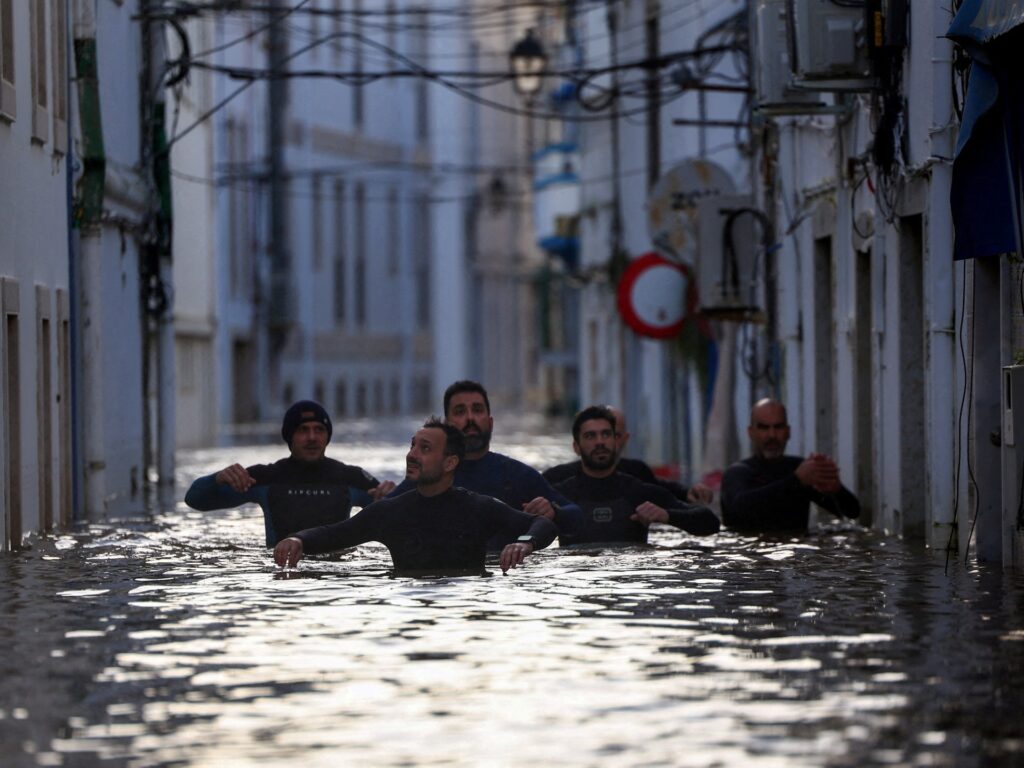
Spain and Portugal are on high alert as a new storm named Marta approaches, following recent severe floods that resulted in two deaths and displaced approximately 11,000 people. Authorities in Portugal are intensifying their emergency preparedness efforts by deploying over 26,500 rescuers to mitigate the potential impacts of the storm.
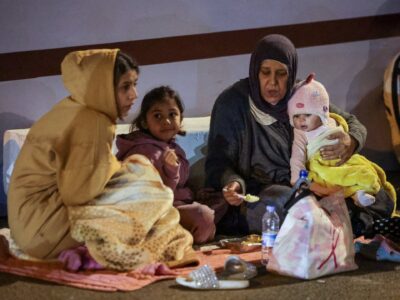
The recent floods have already taken a heavy toll on both countries, causing widespread damage and hardships for thousands of residents. The displacement of 11,000 people underscores the severity of the flooding and the urgent need for coordinated response efforts.
As Storm Marta moves closer, meteorological agencies have issued warnings highlighting the risk of heavy rains and strong winds that could exacerbate the already difficult situation in the affected regions. Emergency services are working around the clock to secure communities, facilitate evacuations, and provide support to displaced individuals.
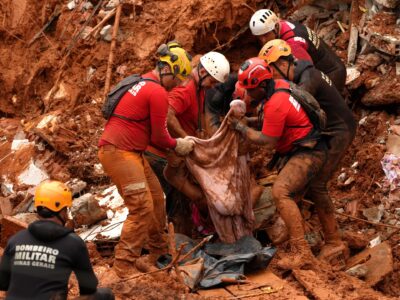
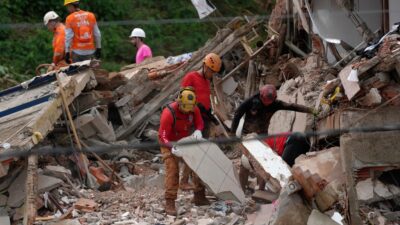
The massive deployment of rescuers in Portugal represents one of the largest mobilizations in recent years, demonstrating the government’s commitment to ensuring public safety. These teams are equipped to handle rescue operations, provide medical aid, and assist in logistical challenges posed by the storm.
Spanish authorities are similarly on alert, coordinating with regional and local agencies to enhance readiness. Both countries are focusing on protecting vulnerable areas prone to flooding and landslides and reinforcing infrastructure to withstand the approaching storm.
Residents have been advised to stay informed through official channels, follow evacuation orders if issued, and take necessary precautions to safeguard themselves and their families. Schools and other public institutions in high-risk zones are considering temporary closures to prevent accidents.
The approaching storm comes at a time when climate experts remind the public of the increasing frequency and intensity of extreme weather events, likely linked to broader climate change trends.
Community support initiatives are being organized to assist those displaced by the floods, providing shelter, food, and psychological support to affected families. International aid agencies have also expressed readiness to contribute if the crisis escalates.
The situation remains dynamic, and authorities continue to monitor weather developments closely to adjust their response plans accordingly. The current focus is on minimizing further casualties, preventing property damage, and ensuring a swift recovery once the storm passes.
This emergency highlights the critical need for enhanced disaster preparedness and resilient infrastructure to cope with natural hazards. Both Spain and Portugal are reviewing their strategies to better handle such crises in the future, including investments in early warning systems and community education.
As Storm Marta advances, the solidarity and vigilance of citizens and officials alike will be crucial in navigating these challenging times. The priority remains clear: protecting lives and reducing the impact of this natural disaster.