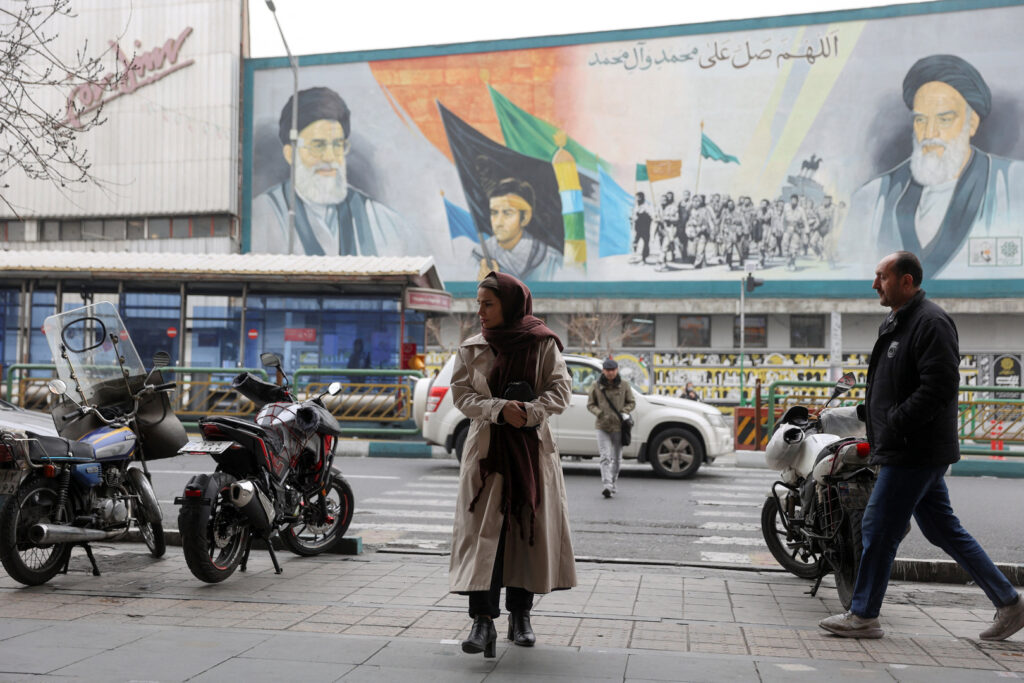
People walk next to a mural with a picture of Iran's Supreme Leader, Ayatollah Ali Khamenei, on a street in Tehran, Iran, February 7, 2026. Majid Asgaripour/WANA (West Asia News Agency) via REUTERS ATTENTION EDITORS - THIS PICTURE WAS PROVIDED BY A THIRD PARTY
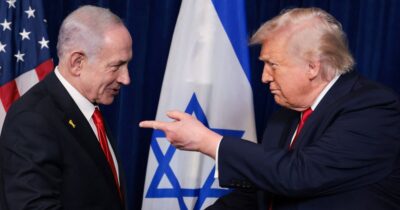
Recent diplomatic talks held between Iran and the United States in Oman have been widely described by officials as ‘positive,’ signaling a potentially hopeful shift in the historically tense relations between the two nations. The meeting took place on Friday, bringing together representatives from both countries in a bid to address longstanding issues and pave the way for improved communication.
The talks have elicited a range of reactions from the Iranian public and political spheres. Many Iranians expressed cautious optimism, viewing the dialogue as a constructive step toward easing tensions that have persisted for decades. Social media platforms in Iran saw a surge of comments emphasizing hope for future cooperation and the possibility of lifting economic sanctions that have impacted the country’s economy severely.
Officials from both sides refrained from providing extensive details about the content of their discussions, but the consensus on the ‘positive’ nature suggests that groundwork was laid for further negotiations. Analysts suggest that these talks could be a prelude to more comprehensive agreements, potentially addressing nuclear non-proliferation, regional security, and economic sanctions relief.
In Iran, government spokespersons highlighted the talks as a necessary diplomatic engagement, reflecting the country’s willingness to engage in dialogue without compromising its national interests. This stance is significant given Iran’s historical skepticism toward U.S. foreign policy and its demands for respect of sovereignty.
Meanwhile, opposition voices within Iran remain critical, cautioning that such talks should not lead to unrealistic expectations or unbalanced concessions. They stress the importance of maintaining a firm stance to ensure that any agreements are equitable and uphold Iran’s strategic goals.
The international community is closely monitoring these developments. Oman, known for its neutral position and role as a mediator in Middle Eastern conflicts, hosted the talks, underlining its commitment to facilitating dialogue.
Experts suggest that successful diplomacy here could lead to broader regional stability, potentially impacting not only Iran-US relations but also dynamics involving countries like Saudi Arabia, Israel, and the wider Middle East.
Economic analysts have pointed out that an easing of tensions and potential sanction relief could provide a much-needed boost to Iran’s economy, which has been hampered by restrictions affecting trade, investment, and energy sectors.
While cautious optimism prevails among many Iranians, the outcome of these talks remains to be seen as further negotiations will likely be required to address the complicated issues at hand fully.
In sum, the talks in Oman represent a potentially promising development, signaling a willingness on both sides to engage in dialogue. The reaction from Iran highlights a mix of hope, caution, and critical evaluation as the country navigates a path forward in its complicated relationship with the United States.