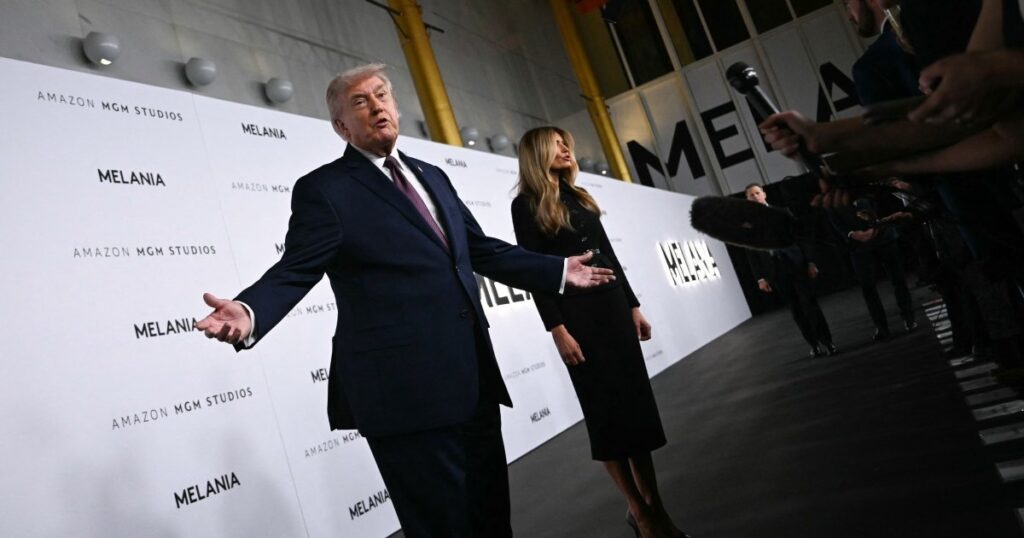
In a significant move, US President Donald Trump has announced that the Kennedy Center, a premier arts complex in the nation’s capital, will close for a two-year period beginning in July to undergo extensive reconstruction. The decision has sparked immediate backlash from performers and the arts community who rely on the venue for performances, rehearsals, and cultural events.
The Kennedy Center, officially named the John F. Kennedy Center for the Performing Arts, has long been a cultural landmark in Washington, D.C., hosting a wide range of events including theater, ballet, opera, and concerts. The planned closure aims to modernize the facility, improve infrastructure, and enhance safety measures. However, many artists and performers have expressed concerns about the timing and duration of the closure as it directly impacts their work and the availability of a key venue in the arts scene.
President Trump’s administration has emphasized that the renovation is necessary to preserve the Kennedy Center’s status as a world-class cultural institution and to ensure it meets current standards for technology and accessibility. The planned renovation will include upgrades to seating, acoustics, backstage areas, and public amenities.
Despite these intentions, several prominent performers have voiced strong opposition. They argue that the closure will disrupt scheduled performances and damage the cultural vibrancy of the city. Critics also suggest that alternative arrangements or phased renovations could have been considered to minimize disruption.
The arts community fears that a two-year hiatus will lead to loss of momentum for many programs and artists who consider the Kennedy Center a central hub for their creative endeavors. Moreover, there is concern about the financial impact on those who depend on the venue for income and exposure.
Local officials and arts advocates have called on the Trump administration to provide support and interim facilities for displaced performers during the renovation period. There have been discussions about temporary venues and increased funding for smaller arts organizations to help bridge the gap.
The closure also raises broader questions about government investment in the arts, particularly in times of political contention and budgetary scrutiny. The Kennedy Center has historically received federal support, and this renovation reflects a significant public investment in the arts infrastructure.
As preparations begin for the July closure, stakeholders across the arts community are rallying to find solutions and mitigate the impact of the two-year interruption. The situation remains fluid, with ongoing dialogue between the government, artists, and cultural institutions.
This controversial decision marks a pivotal moment for the Kennedy Center and the broader US arts landscape. While the aim is to secure the institution’s future through modernization, balancing the needs of current performers and audiences presents a complex challenge for all involved.