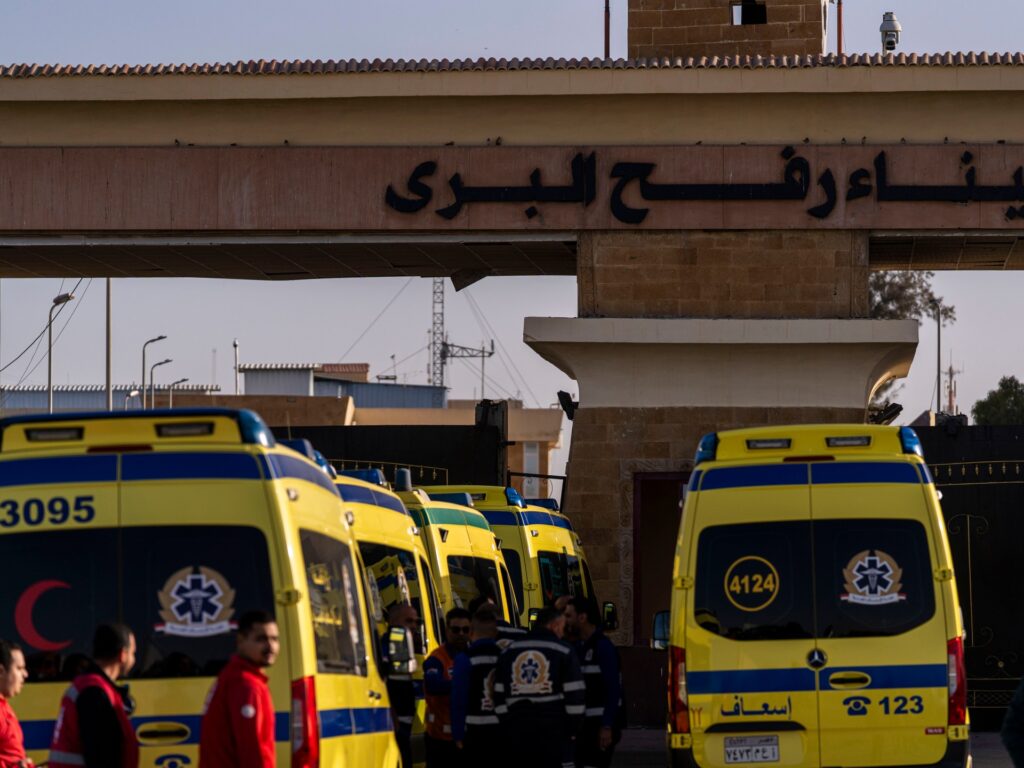
Israel has announced that it will reopen the Rafah crossing between Gaza and Egypt for limited travel starting Monday. This move comes amid ongoing tensions and security concerns in the region. The reopening is set to be carried out under stringent security measures, with the added presence of international monitors to oversee the process.
The Rafah crossing, a critical passage point for Palestinians in Gaza, had been previously closed due to conflict and security issues. The decision to allow limited movement through the crossing is a significant development aimed at facilitating medical evacuations and urgent travel needs.
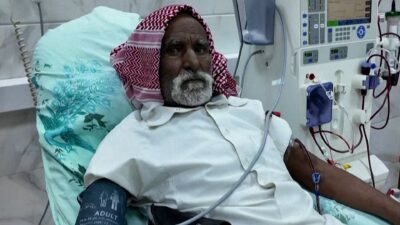
Israeli authorities emphasized that the reopening would not be a full resumption of normal operations but rather a controlled and restricted access primarily targeted at humanitarian considerations. Medical evacuations have been highlighted as a primary purpose, ensuring that patients requiring urgent care can be transported safely to facilities outside Gaza.
The involvement of international observers is intended to ensure transparency and compliance with agreed protocols during the crossing’s operation. This measure aims to build confidence among all parties involved and to prevent any escalation of tensions linked to the crossing’s use.
Egypt, which manages the Rafah crossing on its border with Gaza, has played a key role in coordinating this reopening alongside Israeli and international stakeholders. The reopening is also seen as a potential step towards easing the broader humanitarian situation in Gaza, which has been under significant strain due to ongoing conflict and blockades.
For residents of Gaza, the reopening offers a rare opportunity to travel for urgent medical reasons and other limited purposes, which have been severely restricted in recent months. Such moves are critical for humanitarian relief and for maintaining some degree of connectivity with the outside world for those in Gaza.
However, the reopening is cautiously planned. Israel maintains that the crossing’s security will be strictly controlled to prevent any threats or smuggling activities. Past experiences have made security a top priority in managing the Rafah crossing, given its strategic importance.
The international community, including human rights organizations and diplomats, have welcomed the reopening as a positive humanitarian development. Yet, calls remain for further easing of restrictions to improve the overall situation in Gaza.
In summary, the decision to reopen Gaza’s Rafah crossing on Monday marks a significant yet cautious step aimed at addressing urgent humanitarian needs while maintaining security. The involvement of international monitors underscores the importance of oversight in such sensitive operations. This limited travel window is expected to offer vital relief for Gaza’s residents, especially for those requiring medical evacuations, while maintaining a tight control framework to safeguard the region’s stability.