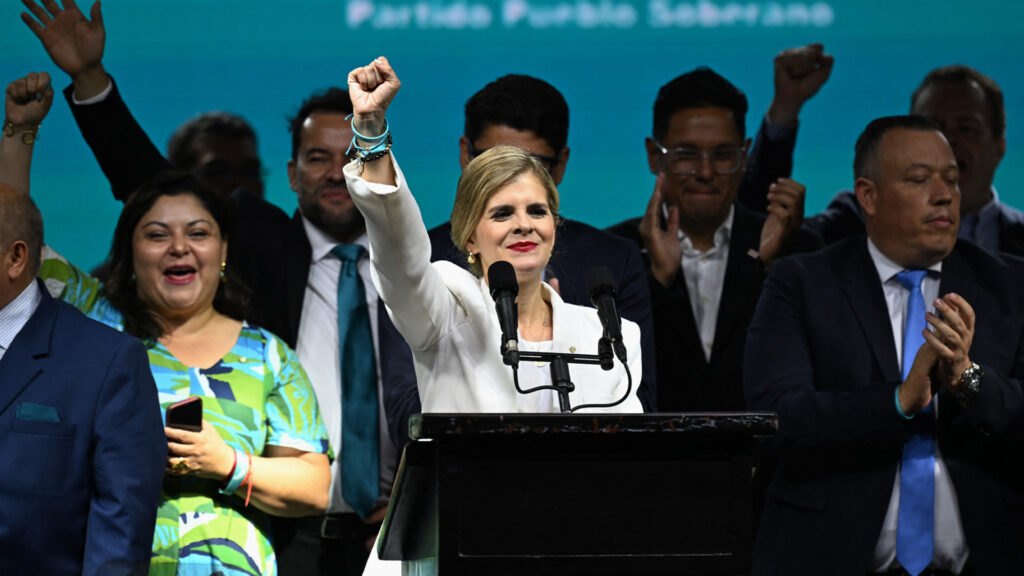
In a significant political development in Costa Rica, Laura Fernandez, the candidate representing the right-wing ruling party, has declared victory in the recent presidential election. This marks a continuation of the right-wing influence in the country’s political landscape. Fernandez’s win is seen as a reflection of the electorate’s support for the policies and direction of the ruling party, signaling possible continuity in governance style and priorities. Details about the election process, voter turnout, and the exact margin of victory are crucial for understanding the full implications of this outcome. Experts note that Fernandez’s leadership could impact various sectors including the economy, social policies, and Costa Rica’s international relations. With the official confirmation of the results, attention now turns to Fernandez’s transition plans and how she intends to address pressing national issues. This election result also raises questions about the opposition’s strategies moving forward, as they regroup and prepare for future political contests. As Costa Rica navigates this political shift, residents and international observers alike are keenly watching how the new administration will shape the country’s future. Continued stability and growth remain hopes for many as Laura Fernandez steps into her presidential role.