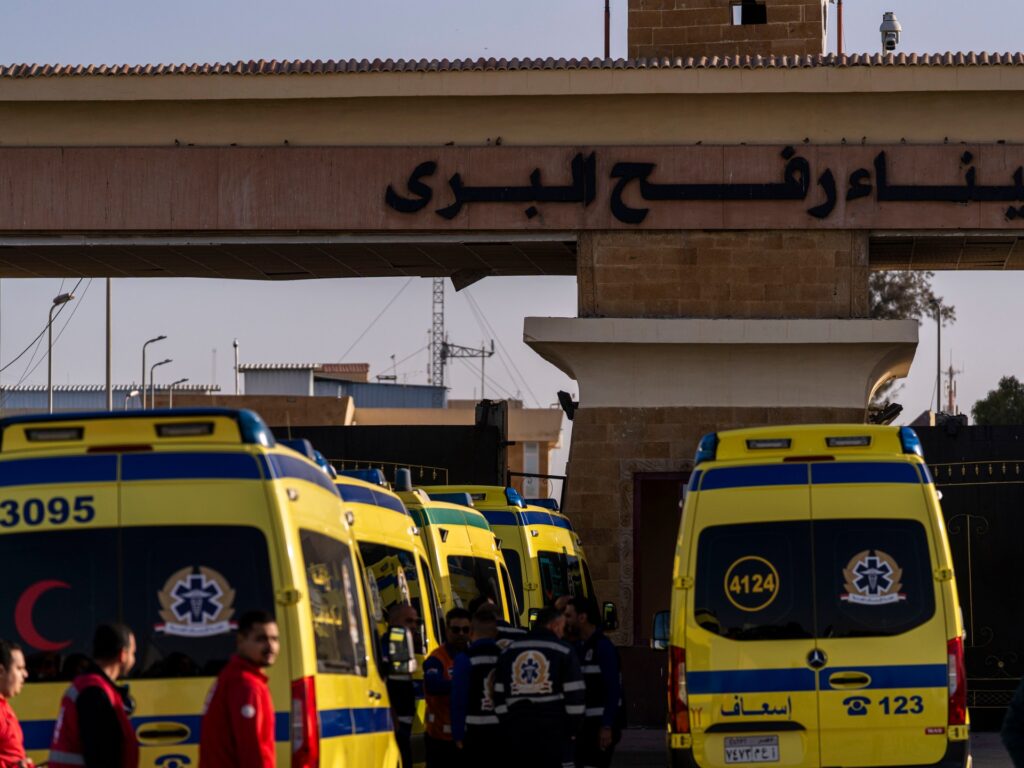
Israel has announced that it will reopen the Rafah crossing between Gaza and Egypt starting Monday, marking a significant development in the region’s ongoing situation. However, the resumption of operations will occur in a limited ‘pilot phase,’ with only a small number of Palestinians permitted to pass through initially.
The Rafah crossing is a critical gateway for Gaza residents, often serving as a lifeline for movement outside the territory, humanitarian aid, and essential supplies. Its closure has been a major point of concern for Palestinians, affecting not only travel but also access to medical care, education, and economic opportunities.
The decision to partially open the crossing comes amid intensifying international attention and calls for easing restrictions on Gaza to address humanitarian needs and reduce tensions. Israel’s cautious approach, allowing limited passage, reflects ongoing security concerns and complex political dynamics with Egypt and Palestinian authorities.
This pilot phase will likely involve stringent protocols to ensure safety and security. The limited number of Palestinians allowed through indicates that authorities are closely monitoring the situation, balancing humanitarian considerations with security imperatives.
Local and international observers will be watching closely to assess the impact of this reopening. For many Gazans, even limited access through Rafah is a critical step toward alleviating isolation and hardship. At the same time, it may set a precedent for further easing of restrictions, depending on how the pilot phase unfolds.
The temporary reopening may also have diplomatic implications, potentially serving as a platform for broader discussions on Gaza’s land crossings and border policies. It underscores the delicate balance Israel maintains in managing its borders with Gaza while responding to both internal security priorities and external diplomatic pressures.
The reopening of Rafah, even on a limited basis, injects a degree of cautious optimism into the conflict-weary region. It signals a willingness to engage, however tentative, in measures that can improve the dire conditions facing many Palestinian civilians.
Further developments and evaluations will determine whether this pilot phase expands and what longer-term changes might be feasible. The international community continues to advocate for measures that can sustain peace and stability while respecting the rights and needs of the Gaza population.
In summary, Israel’s announcement of reopening Gaza’s Rafah crossing in a limited pilot phase from Monday marks a pivotal moment. It offers a glimpse of hope through restricted movement but also highlights the underlying complexities and challenges that remain in the region. How this initiative evolves could have significant humanitarian, political, and security repercussions in the coming weeks.