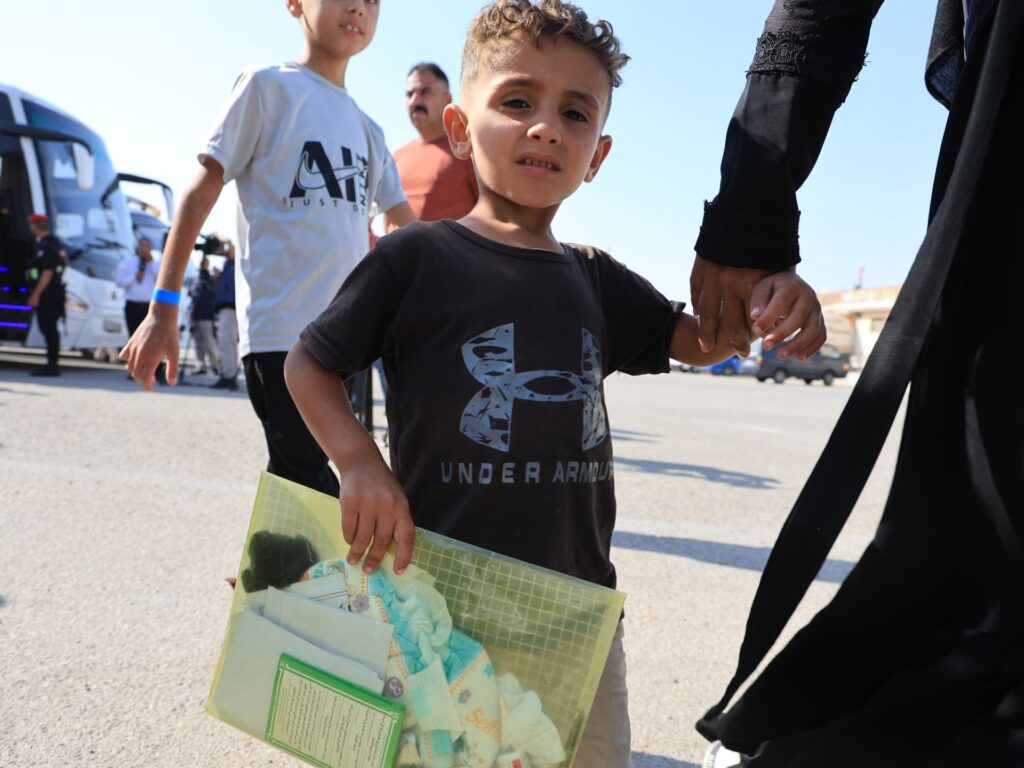
A bipartisan group of US lawmakers has appealed to the Trump administration to intervene and facilitate the evacuation of cancer patients from Gaza for urgent medical treatment. In their letter, the lawmakers emphasized the critical shortage of medical services in Gaza which is severely impacting patients with serious health conditions like cancer. They have urged Israeli authorities to permit medical evacuations out of the besieged Gaza Strip in order to save lives and provide proper care.
The letter highlights that the conflict and blockade have left Gaza’s healthcare system on the brink of collapse, with many hospitals lacking essential drugs, equipment, and specialized treatment options.
Cancer patients in Gaza are particularly vulnerable, as the disease requires timely and continuous medical interventions, which are now almost impossible to access due to restrictions on movement and the destruction caused by ongoing conflicts. The lawmakers stressed that the Trump administration has a responsibility to use its influence with Israel to ensure humanitarian corridors are established to allow patients safe passage for medical care.
They also called on international organizations and allies to pressure Israel to lift restrictions hindering medical evacuations, emphasizing that health care is a basic human right that must be upheld even during times of conflict.
This call for action comes amid rising international concern over the humanitarian situation in Gaza, where an estimated 2 million people live under severe restrictions with limited access to electricity, water, and medical care.
The lawmakers urged that urgent measures be taken to prevent further deterioration of health conditions among Gaza’s vulnerable populations, particularly cancer patients who depend on timely treatment for survival.
The appeal reflects growing bipartisan recognition in the US Congress about the humanitarian crisis in Gaza and the need for the US government to take proactive steps to alleviate suffering by facilitating medical access and evacuations.
In response, Israeli officials have stated that they operate medical crossings in accordance with security concerns, and have occasionally allowed patients to leave Gaza for treatment in Israel or the West Bank. However, approvals are limited and often delayed, exacerbating the plight of patients needing urgent care.
Human rights organizations have long criticized the blockade of Gaza for its devastating impact on healthcare infrastructure and access. They have repeatedly called for the lifting of restrictions to enable patients to receive medical care outside Gaza when local facilities cannot meet their needs.
As the conflict and blockade continue, the situation remains dire for many patients with chronic and life-threatening illnesses. The US lawmakers’ letter is a stark reminder of the urgent need to balance security concerns with basic humanitarian imperatives.
It highlights how international diplomacy and humanitarian advocacy intersect in efforts to protect the most vulnerable in conflict zones through measures such as medical evacuations.
The lawmakers hope their intervention will lead to renewed dialogue among stakeholders and prompt concrete actions to open medical pathways for Gaza’s sick and injured.
They concluded by reiterating that facilitating the safe passage of cancer patients and others in critical condition should be a top priority to uphold human dignity and the right to health during the ongoing crisis in Gaza.