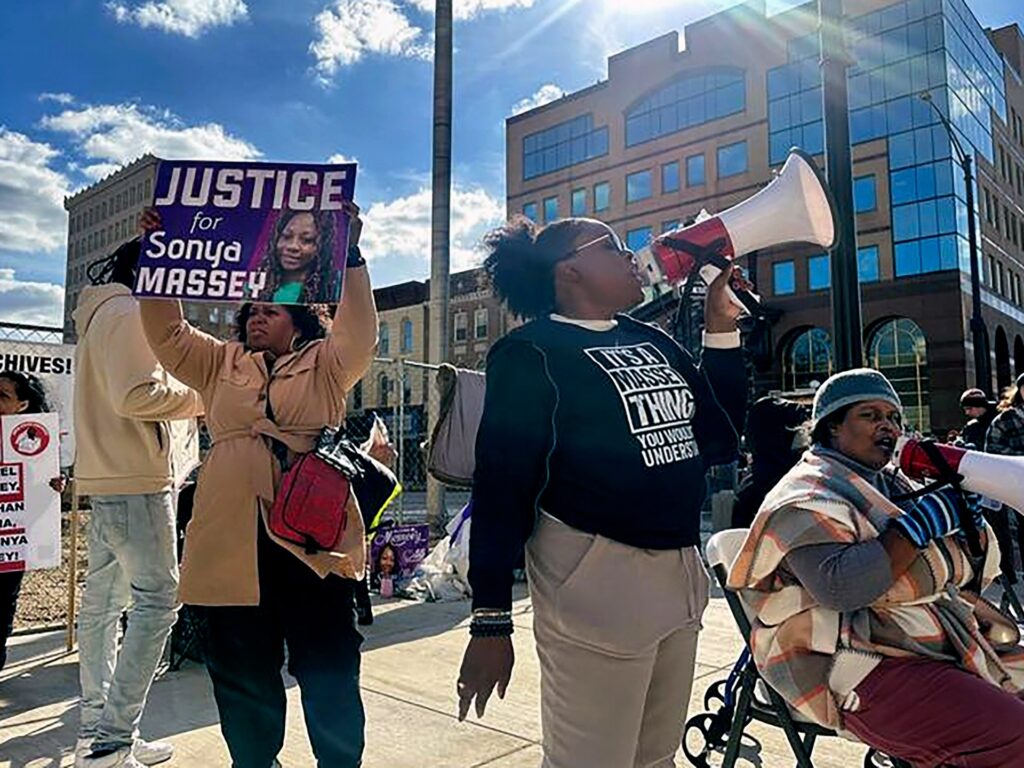
In a case that prompted widespread outrage and protests, former Illinois deputy Sean Grayson has been sentenced to 20 years in prison for the fatal shooting of Sonya Massey. The tragic incident occurred after Massey called the police to her home, seeking assistance. Instead of receiving the help she sought, Massey was fatally shot by Grayson, leading to public condemnation and demands for justice. The sentencing marks a significant development in addressing police violence and accountability in the state. Community leaders and activists have hailed the verdict as a crucial step toward justice for Massey and her family, emphasizing the ongoing need for reforms in law enforcement practices. The case has sparked a broader conversation on the use of force by police officers and the urgent necessity to ensure that officers uphold their duty to protect and serve all citizens without prejudice or excessive force. The sentencing reflects the court’s acknowledgment of the severity of the crime and the pain caused to Massey’s family and the community. It also serves as a cautionary precedent for law enforcement officers, reinforcing accountability for misconduct and wrongful actions. Many advocacy groups have called for continued vigilance and reforms to prevent such tragedies from recurring. The incident initially prompted protests highlighting systemic issues within policing and the justice system, prompting calls for change at local and national levels. The ruling has offered a measure of closure to those affected, although the broader battle for equitable treatment and police reform continues. This case underscores the critical importance of transparent investigations and judicial processes in cases involving law enforcement officers. The 20-year sentence handed down to Grayson symbolizes a judicial step toward rectifying the wrongful death and ensuring a message against impunity. Massey’s case remains emblematic of larger societal challenges regarding race, justice, and police conduct, reigningiting discussions about necessary legislative and institutional reforms. Public officials have promised to work toward improved policies to prevent misuse of power and to enhance trust between law enforcement agencies and the communities they serve. As the community reflects on the tragic loss and legal outcome, many hope the sentencing encourages additional efforts to address systemic flaws and promote justice and equality. The ruling affirms the belief that no one, including law enforcement officers, is above the law, and that justice must be served irrespective of the perpetrator’s position or status. Advocates continue to urge policymakers to enforce stricter regulations and oversight in policing practices to safeguard civil rights and prevent future tragedies. The impact of Sonya Massey’s death and the subsequent trial will likely resonate in ongoing debates about policing, legal accountability, and community safety. This sentencing, while significant, is seen as a catalyst for continued activism and reform driven by the public’s demand for justice and fairness in law enforcement. Communities affected by similar incidents see in this case a hopeful precedent for legal recourse and change. The case has received extensive media attention, amplifying the call for systemic review and reform. It highlights the essential need for comprehensive training and accountability mechanisms within police departments. The legal outcome provides a measure of hope that the criminal justice system can deliver justice, even in cases involving officers traditionally shielded by qualified immunity and other protections. The broader implications emphasize the importance of civic engagement and advocacy in holding law enforcement accountable to prevent abuse of power. This case is now part of a larger narrative demanding comprehensive police reform and unwavering commitment to human rights and dignity. The sentence underscores that justice must transcend institutional barriers and bias, ensuring equal protection under the law for all citizens. The community’s response reflects a mix of grief, relief, and renewed demand for change, marking a pivotal moment in the ongoing struggle for police accountability and social equity.