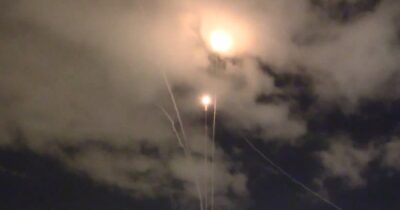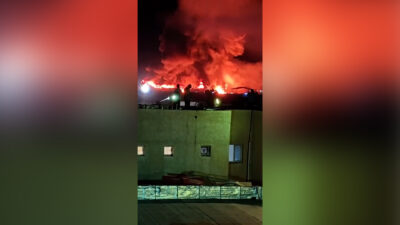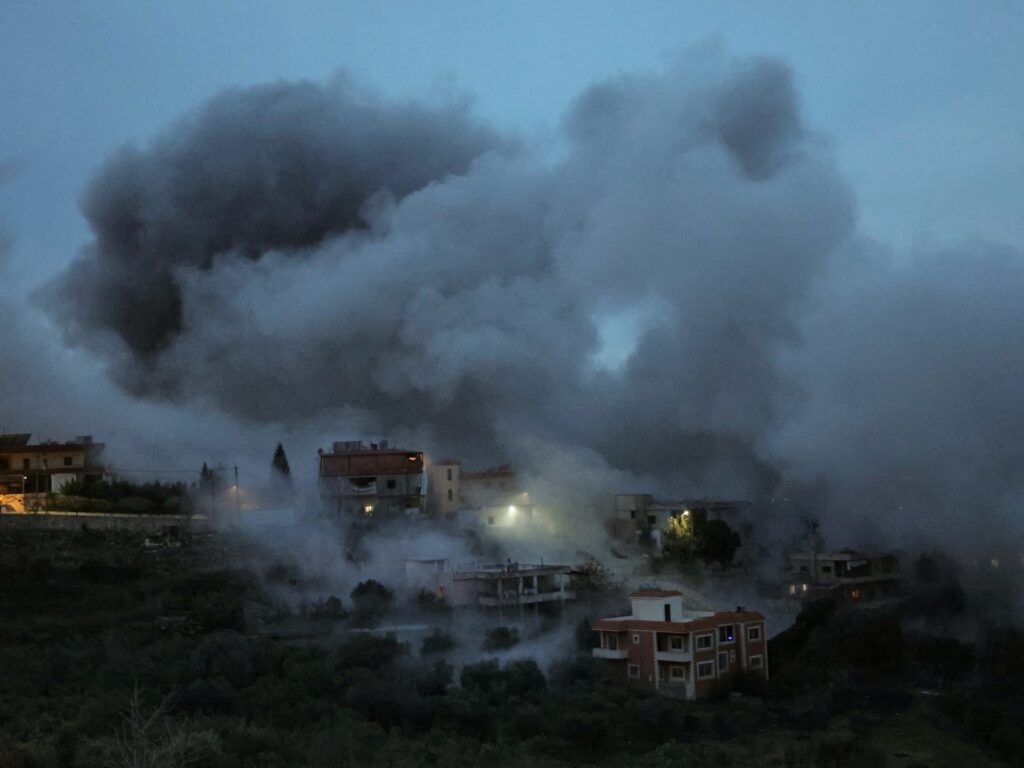
In a significant escalation of regional tensions, a wave of Israeli airstrikes has devastated parts of southern Lebanon and the Bekaa Valley, resulting in the deaths of two individuals. These attacks mark a fresh violation of the fragile ceasefire agreement that has been tenuously holding in the region.
The Israeli military launched a series of airstrikes aimed at various targets across southern Lebanon, an area known for its volatile security situation. The strikes also extended into the Bekaa Valley, a region that has frequently witnessed clashes and militant activities.
Officials in Lebanon have condemned the attacks, citing them as a breach of Lebanon’s sovereignty and a threat to the already fragile peace efforts in the area. The Lebanese government has called for international intervention to prevent further escalations and to ensure the protection of civilian lives.
The two fatalities reported so far are civilians caught in the crossfire, underscoring the human cost of the conflict. Medical teams and emergency responders have been active in the affected regions, struggling to deal with the aftermath of the bombardments.
This latest episode contributes to a growing pattern of hostilities between Israel and Lebanese territories, often involving clashes with Hezbollah and other militant groups based in Lebanon. The renewed violence adds strain to ongoing diplomatic efforts aimed at stabilizing the region.
Experts warn that continued violations of the ceasefire could lead to a broader conflict, drawing in neighboring countries and impacting regional stability. International actors are urging restraint and dialogue to de-escalate the tensions.
The Israeli government has justified the airstrikes by citing security concerns and the need to counter militant threats from Lebanon. However, the timing and scale of the attacks have raised concerns among analysts about the potential for an extended conflict.
Residents in the affected areas have reported power outages, damage to infrastructure, and widespread fear, with many seeking shelter to protect themselves from further violence. Humanitarian agencies are monitoring the situation closely to provide aid and support to those affected.
This incident highlights the perpetual volatility of the Lebanon-Israel border area, where ceasefires have historically been fragile and frequently disrupted by sporadic violence. The international community remains watchful, highly invested in preventing further bloodshed and promoting peace in this conflict-ridden region.