Skip to content
November 7, 2026
  • Facebook
  • Twitter
  • Instagram
  • Youtube
  • tiktok
MILLENNIUM NEWS 24/7

MILLENNIUM NEWS 24/7

Bridging The Community’s World Wide

  • Home
  • IP TV LIVE
  • U.S.News
  • LOCAL ELECTION
  • State News
    • Alabama
    • Alaska
    • Arizona
    • Arkansas
    • California
    • Colorado
    • Connecticut
    • Delaware
    • Florida
    • Georgia
    • Hawaii
    • Idaho
    • Illinois
    • Indiana
    • Iowa
    • Kansas
    • Kentucky
    • Louisiana
    • Maryland
    • Massachusetts
    • Michigan
    • Maine
    • Minnesota
    • Mississippi
    • Missouri
    • Montana
    • Nebraska
    • Nevada
    • New Hampshire
    • New Jersey
    • New Mexico
    • New York
    • North Carolina
    • North Dakota
    • Oregon
    • Pennsylvania
    • Rhode Island
    • South Carolina
    • South Dakota
    • Tennessee
    • Texas
    • Virginia
    • Washington
    • West Virginia
    • U.S. Virgin Islands
  • Politics
  • World News
  • Sports
  • Entertainment
  • Weather
  • Business
  • Health News
  • Urban Cultural Programs
  • ADVERTISEMENT
  • About Us
  • Contact us
Live TV

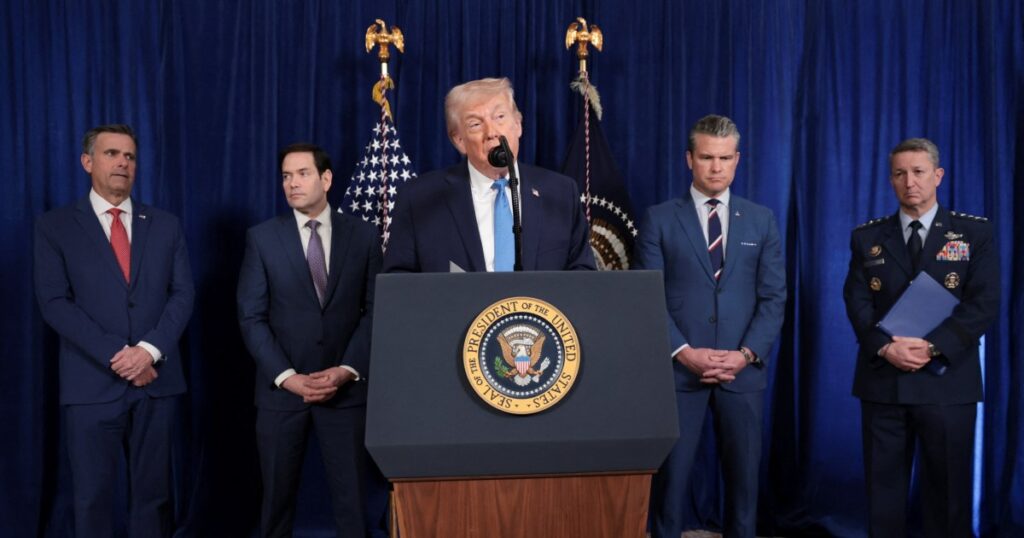
Pentagon Downplays China Threat: Implications for US Allies

The recent update to the US National Defense Strategy marks a significant shift in Washington’s global security priorities. According to the latest strategy, the Pentagon now views the Chinese threat as a less immediate concern, choosing instead to focus more on challenges closer to home in the Western Hemisphere. This pivot reflects a broader recalibration in US defense planning and has substantial implications for American allies, particularly in the Asia-Pacific region.

Historically, China has been regarded as a primary strategic competitor by the United States, with many defense analysts emphasizing the importance of countering its rising military and economic influence. However, the recent strategy de-emphasizes this China-centric focus. Instead, attention is shifting towards the Western Hemisphere, signaling a reassessment of regional priorities that likely considers both geopolitical and domestic factors.

For US allies in Asia, including Japan, South Korea, Australia, and members of the Association of Southeast Asian Nations (ASEAN), this development may raise concerns about the extent of military support and strategic attention they can expect from Washington. These countries have long relied on strong US engagement to counterbalance China’s assertiveness in territorial disputes, trade dominance, and technological competition.

The United States’ reorientation toward the Western Hemisphere could be influenced by several factors, including the need to address emerging security challenges closer to home, such as migration, drug trafficking, and national resilience. It also reflects a desire to reinforce partnerships within the Americas amid increasing global uncertainty.

This strategic pivot does not imply that China is no longer a concern. The US will likely continue to monitor and respond to Chinese actions, but it will do so with a recalibrated prioritization. This means that while the Chinese threat is acknowledged, it is no longer the foremost focus of US defense strategy.

For US allies in the Indo-Pacific, this shift underscores the importance of self-reliance and regional cooperation. Countries in the area may need to strengthen their own defense capabilities and deepen multilateral security arrangements to maintain stability and deter aggression.

The Pentagon’s downplaying of the China threat can also be seen as a message to Beijing, indicating that the US is confident in its deterrence posture and is capable of managing multiple challenges without overcommitting to any single one. It might also be an attempt to reduce tensions and create space for diplomatic engagement.

Critics, however, warn that deprioritizing China could inadvertently embolden Beijing, allowing it to expand its influence unchecked. They argue that a strong, continued US presence in Asia is essential to maintaining the balance of power and protecting the interests of allied nations.

In conclusion, the Pentagon’s updated National Defense Strategy signals a strategic pivot toward the Western Hemisphere and a downplaying of the Chinese threat. While this does not eliminate concerns about China, it redefines Washington’s priorities, prompting US allies in Asia to rethink their security strategies and reinforcing the importance of regional partnerships and self-sufficiency in defense.

About Author

admin

See author's posts

Post navigation

Previous Minneapolis Live News: Alex Pretti Family Seeks Truth Following ICE Shooting
Next Wave of Israeli Attacks Kills Two in Lebanon Amid Ceasefire Violation

Related Stories

Pakistani Astronaut to Join China’s Next Space Station Mission

Pakistani Astronaut to Join China’s Next Space Station Mission

China’s E-Bikes Boom as Fuel Prices Remain High

China’s E-Bikes Boom as Fuel Prices Remain High

US Senator Abdul El-Sayed Launches ‘Habibi’ Political Action Committee

US Senator Abdul El-Sayed Launches ‘Habibi’ Political Action Committee

Entertainment

EU Warns TikTok Over Harmful ‘For You’ Feed Algorithm, Threatens Fines 1

EU Warns TikTok Over Harmful ‘For You’ Feed Algorithm, Threatens Fines

Russell Brand Found Guilty of Rape and Sexual Assault by UK Court 2

Russell Brand Found Guilty of Rape and Sexual Assault by UK Court

Stevie Wonder Endorses Abdul El-Sayed for US Senate in Last-Minute Boost 3

Stevie Wonder Endorses Abdul El-Sayed for US Senate in Last-Minute Boost

Bollywood Star Amitabh Bachchan Greets Fans from Bulletproof Glass Following Bomb Threat 4

Bollywood Star Amitabh Bachchan Greets Fans from Bulletproof Glass Following Bomb Threat

Macklemore Concludes ‘Free Palestine’ Tour with a Strong Message of Solidarity in London 5

Macklemore Concludes ‘Free Palestine’ Tour with a Strong Message of Solidarity in London

Fans Voice Support on Final Night of Macklemore’s ‘Free Palestine’ Tour 6

Fans Voice Support on Final Night of Macklemore’s ‘Free Palestine’ Tour

Kylian Mbappe Faces Backlash in China as Major Brands End Partnerships Over Meme Controversy 7

Kylian Mbappe Faces Backlash in China as Major Brands End Partnerships Over Meme Controversy

Top News

Pakistani Astronaut to Join China’s Next Space Station Mission

Pakistani Astronaut to Join China’s Next Space Station Mission

China’s E-Bikes Boom as Fuel Prices Remain High

China’s E-Bikes Boom as Fuel Prices Remain High

US Senator Abdul El-Sayed Launches ‘Habibi’ Political Action Committee

US Senator Abdul El-Sayed Launches ‘Habibi’ Political Action Committee

New Zealand Election: National and Labour Parties Neck and Neck in Early Vote Count

New Zealand Election: National and Labour Parties Neck and Neck in Early Vote Count

  • Home
  • About Us
  • Facebook
  • Twitter
  • Instagram
  • Youtube
  • tiktok
Editor: Nur M Tofader, Office: 250 Park Avenue, 7th Floor, New York, NY 10177 & Tell: 718 893 0002 (Office), 7188441300, +1212 401 6266, e-mail: Info@millenniuamtv24.com, e-mail: Info@millenniuamnews24.com, Copyright © Millennium News 24/7 | DarkNews by AF themes.