Iran is currently witnessing a wave of protests that many observers describe as distinct and unprecedented. Unlike previous demonstrations, this current unrest is shaped by a complex convergence of internal and external pressures that amplify the stakes and potential outcomes.
Historically, protests in Iran have often centered around specific grievances such as economic hardship, political repression, or social issues. However, the latest protests are imbued with a broader set of dynamics. Internally, Iranians are grappling with an economic crisis exacerbated by ongoing sanctions, rising inflation, and widespread unemployment. These economic struggles feed deep frustration among younger generations, who face bleak prospects while demanding more political freedom and social reforms.
Alongside economic discontent, there is a strong undercurrent of political dissatisfaction. Many Iranians express frustration with the government’s authoritarian policies, lack of transparency, and restrictions on personal freedoms. The anger is fueled by reports of human rights abuses and a lack of accountability for government actions. This builds a multi-dimensional dissatisfaction that is more complex than previous, more singularly focused protests.
The role of external factors also sets these protests apart. International sanctions, foreign diplomatic pressure, and regional geopolitical tensions have intensified the domestic crisis. Iran’s strained relations with Western countries and its involvement in regional conflicts add layers of complexity to the protests’ context. These external factors not only impact economic stability but also influence the government’s response to dissent.
Social media and digital technologies play a significant role in shaping this movement. Unlike previous decades, protesters can organize, communicate, and broadcast their messages globally in real-time. This connectivity amplifies their voice and brings international attention to their plight, making it harder for the government to control the narrative.
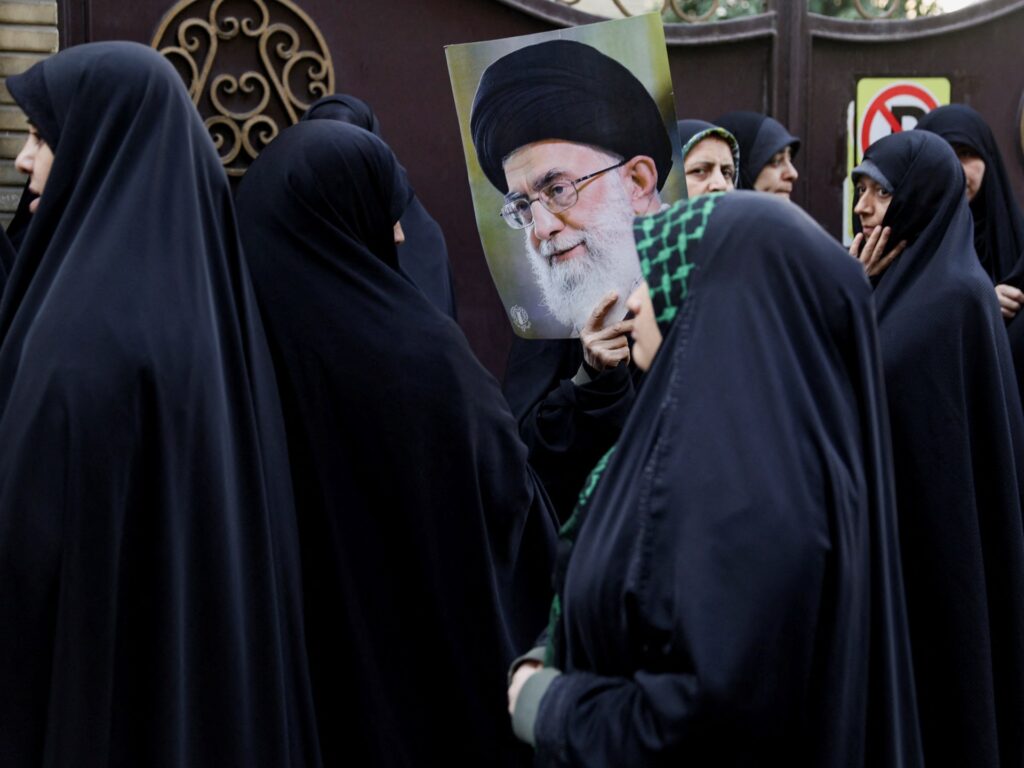
Moreover, the demographic composition of the protesters showcases a more inclusive coalition. Women, youth, ethnic minorities, and diverse social groups participate actively, signaling a broad-based challenge to the status quo. This represents a shift from protests that were often restricted to particular sectors or urban centers.
The government’s response is also a crucial distinguishing factor. The regime faces a dilemma in managing escalating domestic demands while maneuvering international pressures. Crackdowns have been severe, yet protests persist and sometimes spread despite security efforts, highlighting a possibly eroding control.
In summary, Iran’s current protests are distinct because they emerge from an unprecedented mix of economic hardship, political repression, and international pressures. They are amplified by digital interconnectedness and driven by a wide and diverse coalition of participants. This combination could mark a pivotal moment in Iran’s socio-political landscape, with implications not only for the country but for the wider region and global relations as well.