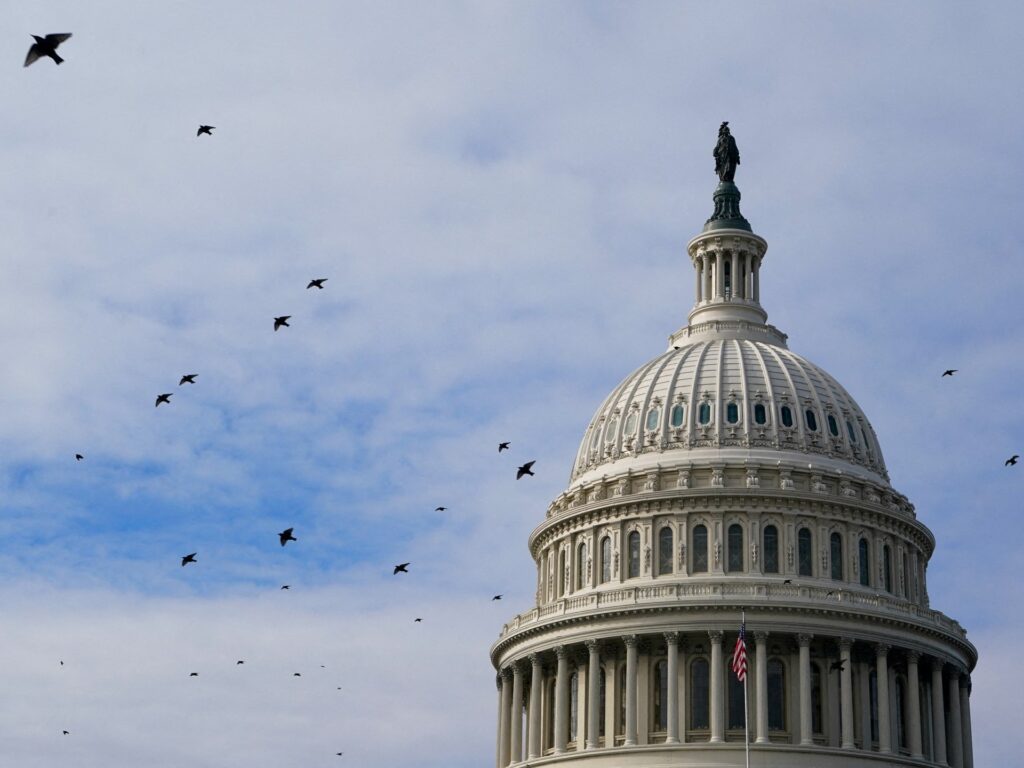
The US Senate has taken a significant step by advancing a resolution aimed at curbing President Donald Trump’s military authority concerning Venezuela. This move, although incremental, signals growing concern among some Republican senators about Trump’s unilateral approach to military actions in the region.
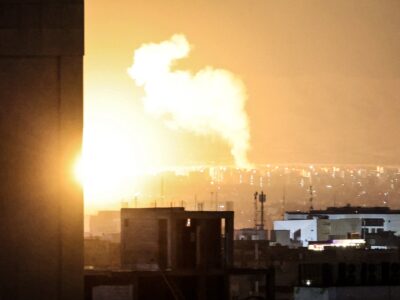
The resolution momentarily places checks on the executive branch’s ability to deploy military force in Venezuela without congressional approval. This follows heightened tensions after Trump’s administration’s actions targeting Venezuelan President Nicolás Maduro, including a controversial and unilateral military abduction effort.
Senators pushing this resolution argue that the President’s military actions should be subject to greater oversight and deliberation to prevent unintended consequences and to uphold the constitutional balance of powers. The move reflects unease within certain factions of the Republican Party who are wary of the administration’s aggressive posture towards Venezuela.
Venezuela has been embroiled in political and economic turmoil, and Trump’s confrontational policy stance, which includes sanctions and threats of military intervention, has been a point of contention. Critics say that unilateral military actions risk escalating the conflict and destabilizing the region further.
Supporters of the resolution contend that Congress must reassert its role in decisions that could draw the country into foreign conflicts. The resolution is a part of broader debates about the limits of presidential powers in matters of war and peace, especially in Latin America.
This development indicates a shift in the political landscape where bipartisan consensus is increasingly important in matters of military engagement. While the resolution does not outright forbid the President from acting, it seeks to ensure that such decisions are made with greater accountability and input from elected representatives.
The Senate advance of this resolution underscores the complexities and divisions within the US political system regarding foreign policy and military interventions. It highlights a cautious approach that balances national security interests against the risks of overreach.
Observers note that the resolution’s progress could set a precedent for how future administrations handle military authority, emphasizing the necessity for checks and balances in the use of American military power abroad.
As the resolution moves forward, all eyes will be on the ongoing debates and the extent to which Congress will assert its constitutional role in foreign policy, particularly in contexts as sensitive as Venezuela. The outcome may influence US engagement strategies in Latin America and beyond, shaping the future framework of executive-legislative relations in national security affairs.