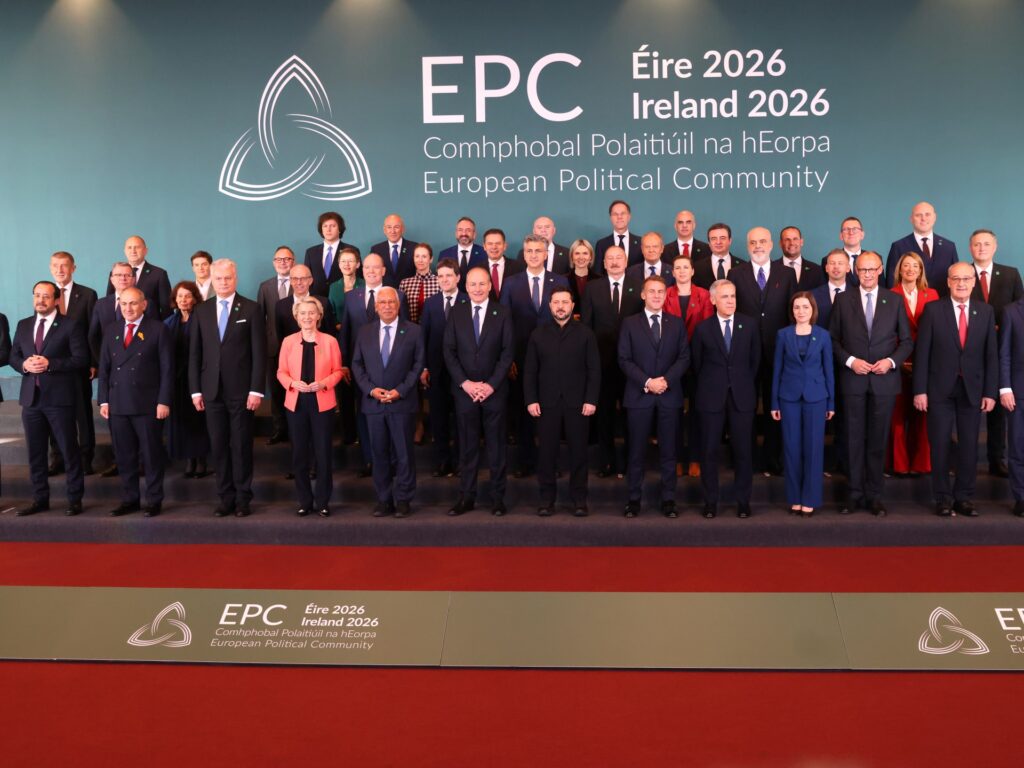
The recent summit held in Dublin brought together European nations to address pressing security concerns heightened by ongoing hybrid attacks. Regional security dominated discussions as leaders recognized the evolving nature of threats facing Europe, especially in light of geopolitical tensions and conflicts in nearby regions.
The summit focused extensively on the need for enhanced collaboration among European countries to effectively counter hybrid warfare tactics, which blend conventional military threats with cyberattacks, disinformation campaigns, and economic pressure. Delegates emphasized the importance of sharing intelligence, coordinating defense strategies, and bolstering resilience against these multi-dimensional threats.
In addition to security cooperation, the meeting underscored the urgency of addressing the ongoing conflict in Ukraine. Delegates discussed the appointment of a special envoy tasked with facilitating peace talks and a diplomatic resolution to the crisis. This envoy is expected to play a critical role in mediating between conflicting parties and helping to bring stability to the region.
The summit also highlighted the need to strengthen cybersecurity infrastructure across Europe to defend against increasingly sophisticated cyber threats that threaten critical national systems and information networks. Joint exercises and training programs were proposed to enhance the preparedness of member states’ defense forces and intelligence services.
Moreover, participants agreed on the importance of a unified European stance in face of hybrid attacks originating from external actors seeking to destabilize democratic institutions and sow discord among member states. The collaborative spirit at the Dublin summit signals a proactive approach to collective security, combining political resolve with practical measures.
Ireland’s role as host country was seen as pivotal in fostering constructive dialogue and encouraging greater integration of security policies across the continent. The discussions in Dublin are expected to pave the way for future summits focused on regional stability, defense innovation, and expanding partnerships within the European framework.
As hybrid threats continue to evolve, the recognition that no single nation can effectively counter these challenges alone was a common thread throughout the summit. The emphasis on solidarity, intelligence sharing, and diplomatic engagement reflects the collective commitment of European nations to safeguard peace and security in the region.
The outcomes from the Dublin talks are poised to influence policy decisions and defense strategies in coming months, reinforcing Europe’s readiness to confront current and emerging security threats with united strength and resolve.