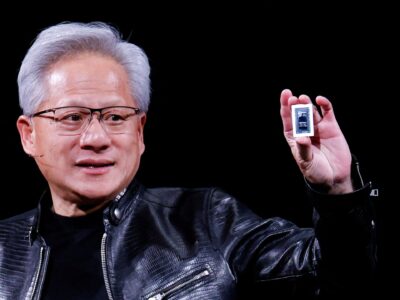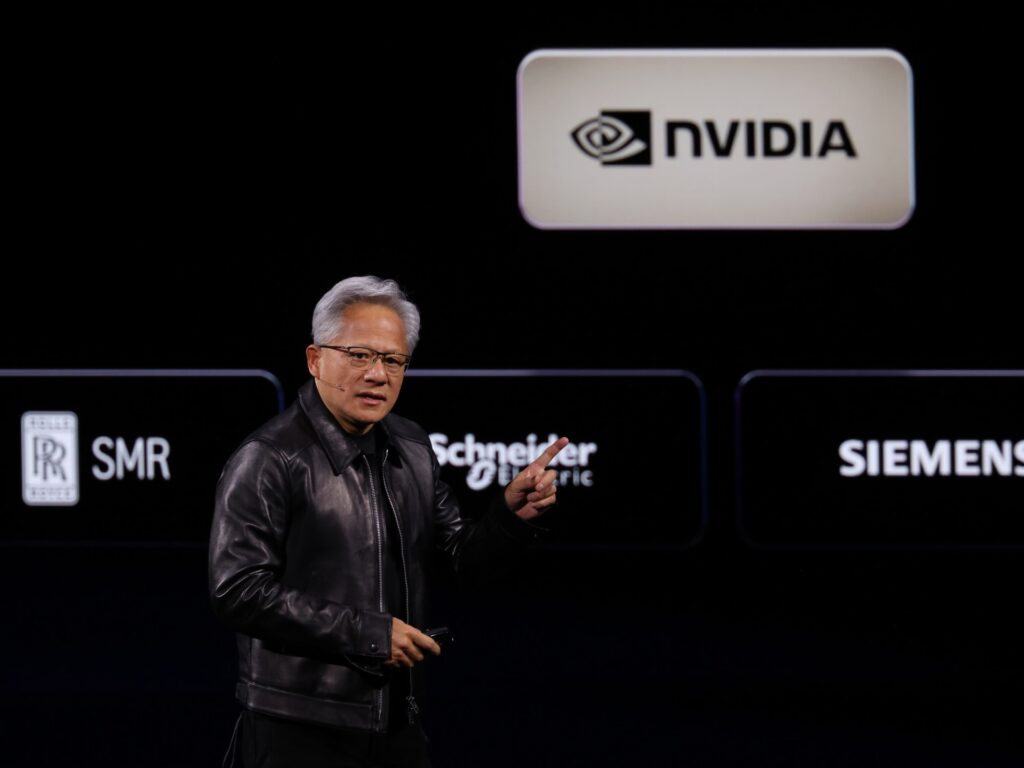
In a stunning development in the tech world, Jensen Huang, the charismatic CEO of Nvidia, known for his visionary leadership in AI and graphics processing technologies, has stepped down from his position. Huang, who co-founded Nvidia in 1993, has been instrumental in transforming the company into a powerhouse of innovation, especially in the fields of artificial intelligence, gaming, and data centers. Under his guidance, Nvidia grew from a modest graphics chip manufacturer into a dominant force in AI hardware, providing critical technology for machine learning, autonomous vehicles, and cloud computing.
Huang’s tenure saw Nvidia achieve remarkable milestones, including the launch of the groundbreaking CUDA platform, which revolutionized parallel computing, and the development of the GeForce line of GPUs that became staples for gamers worldwide. More recently, Nvidia’s GPUs have powered significant advances in AI research, enabling breakthroughs in natural language processing, image recognition, and autonomous systems.
The announcement of Huang’s departure has sent shockwaves through the industry, igniting speculation about the company’s future direction. Many analysts emphasize the challenge Nvidia faces in maintaining its leadership in the highly competitive and fast-evolving AI hardware market. Industry insiders suggest that the board will be seeking a successor who can continue to drive innovation while navigating the increasingly complex geopolitical and economic landscape impacting the semiconductor industry.
Jensen Huang’s leadership style was marked by a blend of technical acumen and strategic foresight. Known for his hands-on approach and deep involvement in the product development process, Huang inspired a culture of innovation and agility within Nvidia. His departure raises questions about how the company will sustain its momentum in AI and what strategic shifts might occur under new leadership.
In his statement, Huang expressed confidence in Nvidia’s leadership team and enthusiasm about the company’s future prospects. He highlighted the importance of AI as a transformative technology and reiterated his belief in the company’s mission to accelerate computing and empower creators worldwide.
The timing of Huang’s resignation aligns with significant industry events, including the rapid integration of AI technologies across sectors and the escalating geopolitical tensions affecting global semiconductor supply chains. Nvidia’s rivals and investors are closely watching how this leadership transition will influence the company’s competitive stance, partnerships, and research investments.
Looking ahead, the industry anticipates a possible reshuffling of Nvidia’s executive team and strategic priorities. The new CEO will need to balance sustaining Nvidia’s AI leadership while fostering advancements in emerging areas such as AI-driven robotics, healthcare applications, and automotive innovation.
As the AI revolution continues to accelerate, Nvidia’s next chapter will be critical not only to the company but to the broader tech ecosystem. Jensen Huang’s legacy as a pioneer in AI hardware sets a high bar, and the industry will be keenly observing how Nvidia adapts and evolves in this new era.