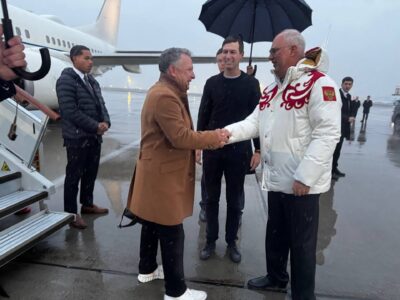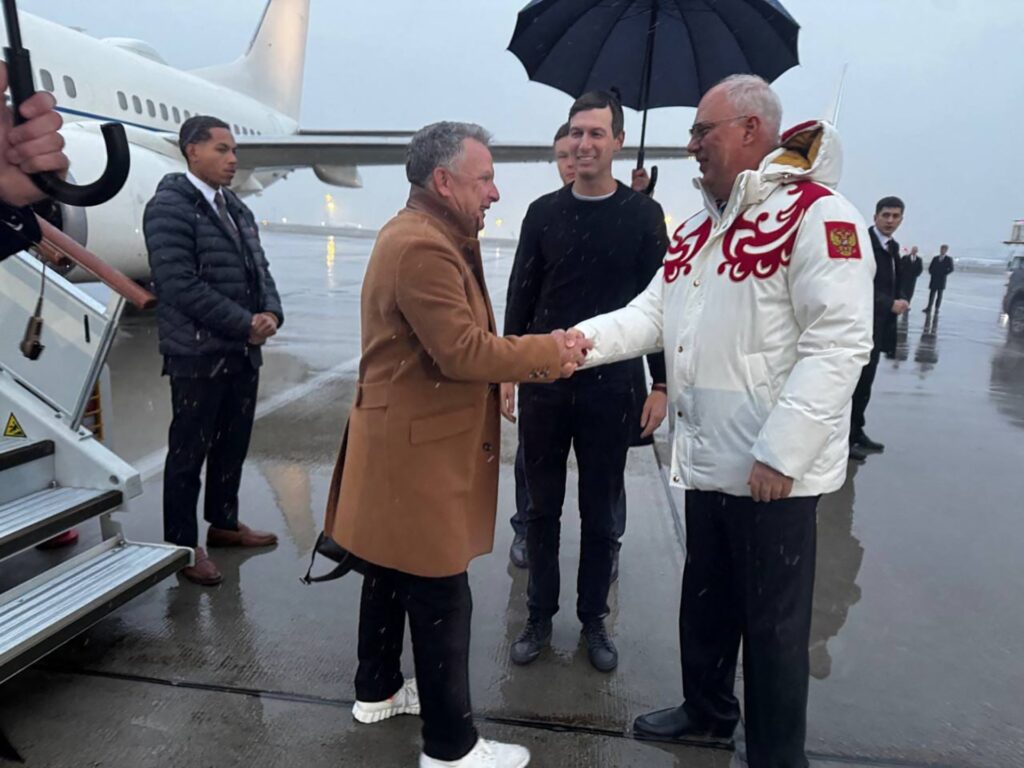
In a significant diplomatic move amid the ongoing tensions between Russia and Ukraine, US envoys Jared Kushner and Marc Witkoff have traveled to Moscow for direct talks with Russian President Vladimir Putin. This high-level meeting underscores the urgency and complexity of the conflict and the continuous efforts to find a resolution.
The meeting comes on the heels of two days of trilateral negotiations held in the United Arab Emirates, which unfortunately failed to yield any meaningful breakthrough. These previous talks involved representatives from the US, Russia, and a neutral party in the UAE, aiming to establish common ground and ease tensions. Despite cautious optimism, the discussions ended without definitive agreements, prompting the US to pursue a more direct engagement with Russia.
Kushner and Witkoff’s mission in Moscow is part of a broader diplomatic strategy to explore potential avenues for de-escalation of the Russia-Ukraine conflict. The US administration has emphasized the importance of dialogue and diplomatic solutions despite the ongoing military confrontations and sanctions imposed on Russia.
During the meeting, the US envoys reportedly expressed concerns over the humanitarian situation in Ukraine and reiterated the need for a ceasefire. They also sought clarity on Russia’s stance regarding territorial issues and security guarantees, which remain central points of contention. Putin, in turn, defended Russia’s actions as necessary for national security and accused Western nations of escalating the crisis through military support to Ukraine.
The geopolitical stakes are high, as the conflict has already resulted in significant casualties, displacement, and economic turmoil both regionally and globally. The US’s direct engagement with Putin signals a willingness to keep diplomatic channels open even amid deep-rooted mistrust.
Analysts suggest that while immediate breakthroughs are unlikely, such engagements are crucial for setting the groundwork for future negotiations and potentially reducing hostilities. The international community watches closely as these negotiations unfold, hopeful for a peaceful resolution but cautious about the complexities involved.
As the situation develops, the outcomes of these talks in Moscow will likely influence subsequent international policies and responses. The US continues to advocate for a rules-based international order and the sovereignty of Ukraine, while balancing the need for dialogue with Russia.
This visit by Kushner and Witkoff marks a pivotal juncture in the diplomatic efforts concerning the Russia-Ukraine war. Both the US and Russia face significant challenges in bridging their positions, but the willingness to engage directly remains a critical step toward resolving one of the most pressing conflicts of our time.