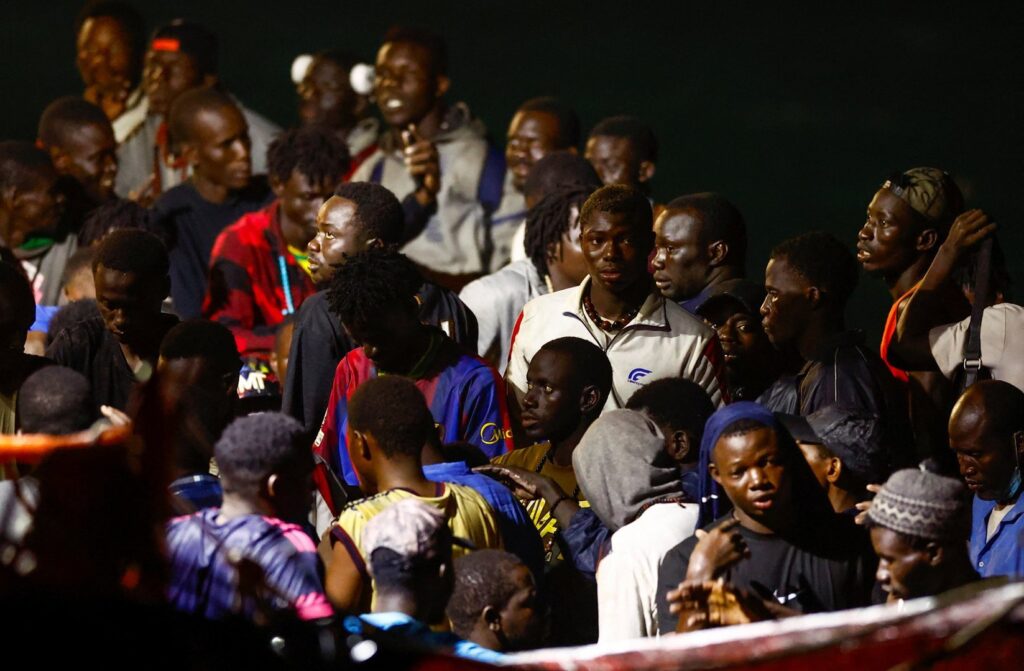
In recent days, Spanish maritime authorities have successfully rescued over 300 migrants in the waters surrounding the Canary Islands. This significant number of rescues highlights a growing trend of migrants attempting dangerous Atlantic crossings to reach European soil.
The Canary Islands, a Spanish archipelago off the northwest coast of Africa, have become a focal point for migration routes from Africa to Europe due to their proximity. Migrants often embark on perilous journeys in overcrowded and unseaworthy vessels in hopes of reaching these islands, seeking a better life or asylum.
The surge in crossings has prompted increased vigilance and response efforts by Spanish rescue teams, including the maritime rescue service and coast guard units. Authorities report that multiple rescue operations were carried out within a short period, saving lives and preventing potential tragedies at sea.
Among those rescued are individuals from various countries, many fleeing poverty, conflict, or political instability. The demographic includes men, women, and children, some of whom required immediate medical attention upon arrival.
The journey across the Atlantic to the Canary Islands is notoriously hazardous, involving long hours at sea under harsh conditions. Migrants face risks including dehydration, exposure, and capsizing, which have led to multiple fatalities over the years.
Spanish authorities, along with international organizations, continue to coordinate efforts to provide humanitarian aid to the rescued migrants. Temporary shelters and medical facilities have been set up on the islands to accommodate the influx and ensure proper care and processing.
This recent wave of migrants underscores the persistent challenges Europe faces in managing migration flows and addressing the root causes prompting people to undertake such dangerous voyages. Discussions among European Union nations continue to focus on developing comprehensive strategies to enhance border security while upholding humanitarian responsibilities.
Non-governmental organizations (NGOs) operating in the region have called for increased support and resources to aid in rescue operations and migrant assistance. They emphasize the importance of safe, legal pathways for migration to reduce the reliance on hazardous sea crossings.
The situation remains dynamic, with authorities monitoring the Atlantic routes closely to respond swiftly to new arrivals. The Canary Islands continue to be a critical point of entry, symbolizing broader migration trends in the broader Mediterranean and Atlantic regions.
Overall, the recent rescue of over 300 migrants serves as a stark reminder of the ongoing humanitarian and political issues surrounding migration. It highlights the need for collaborative efforts between countries, international agencies, and civil society to address migration comprehensively, protect lives, and uphold human dignity.