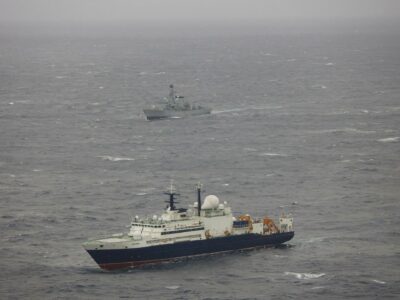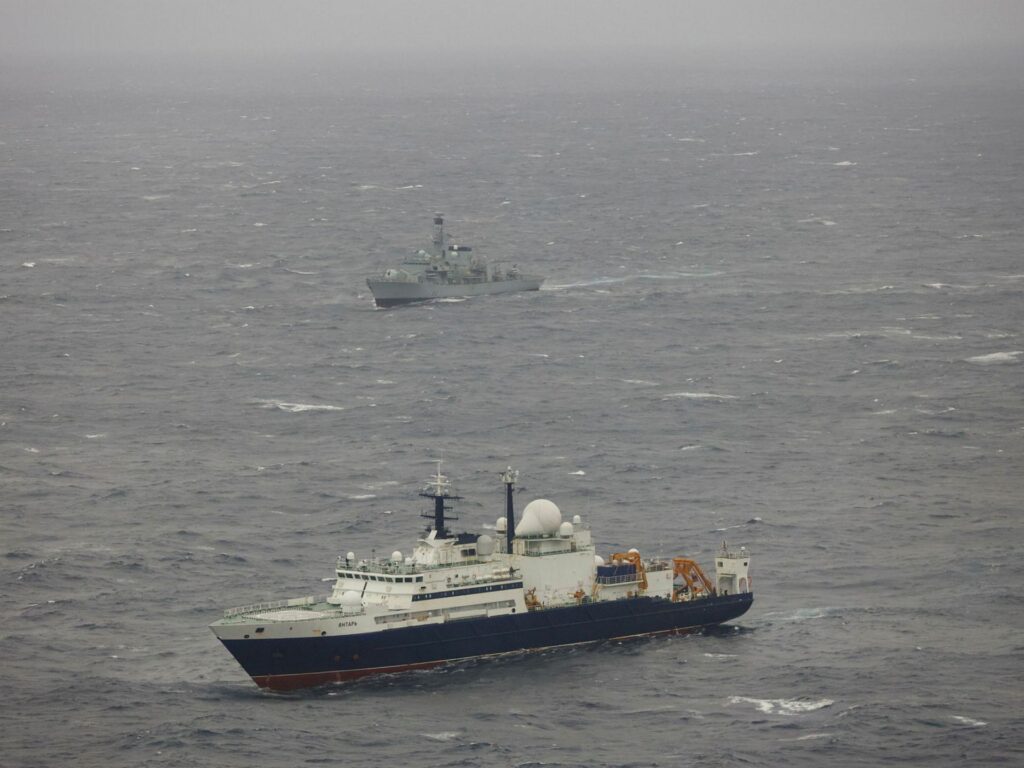
Ireland, a hub for many US tech multinationals, has expressed increasing concern over the security of undersea communication cables, vital to the global internet and communications infrastructure. Authorities fear these cables face a growing threat from “malign actors,” highlighting specific anxieties related to Russia’s so-called shadow fleet.
Undersea cables, which carry approximately 99% of international data, are crucial to modern communications, finance, and national security. As Ireland hosts numerous data centers operated by US technology firms, the integrity and safety of these cables are paramount.
Recent geopolitical tensions and incidents have prompted the Irish government to warn about the vulnerability of these cables to sabotage or espionage acts by hostile entities. Russia’s shadow fleet—a term describing a clandestine network of specialized vessels believed to conduct covert operations on undersea infrastructure—has been singled out as a significant threat.
Experts explain that these vessels can monitor, tap or even cut undersea cables, potentially disrupting communications and causing severe economic and security implications. The shadow fleet operates covertly, often under the guise of scientific or commercial research, making detection and prevention challenging.
Irish officials have urged international collaboration to enhance the security and surveillance of undersea cables. Measures being considered include deploying advanced underwater monitoring technologies, increasing naval patrols, and improving cybersecurity frameworks associated with these assets.
The concern also extends to potential impacts on foreign investment and Ireland’s reputation as a stable and secure data hub. The Irish government has pledged to work closely with its allies, including the United States and European partners, to safeguard this critical infrastructure.
Industry stakeholders have called for heightened awareness, better coordination, and investment in protective measures to deter any malign activities. They warn that failure to protect undersea cables could have cascading effects on global communications, trade, and security.
This development underscores the evolving landscape of international security where undersea infrastructure, once considered relatively safe, is increasingly becoming a frontline target in strategic conflicts. Ireland’s proactive stance reflects a growing recognition worldwide of the need to secure these critical lifelines in the digital age.